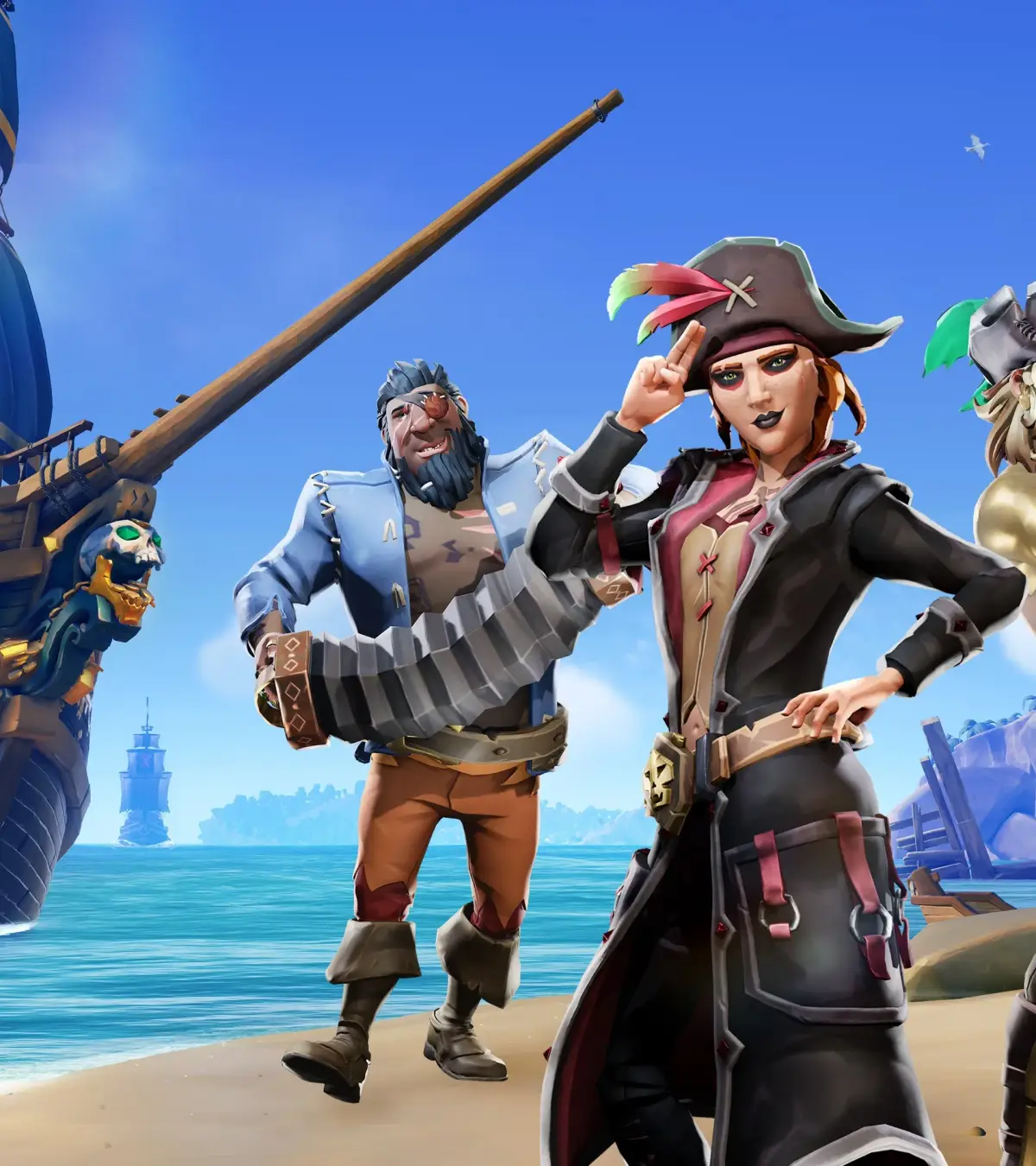
Master Sea of Thieves ship battle formations. Learn strategies like Broadside, Chase, Hammer and Anvil, and Defensive Circle for naval combat dominance.
In the chaotic world of Sea of Thieves naval combat, coordinated ship formations can be the difference between victory and defeat. Understanding and executing these formations allows your crew to maximize firepower, control the engagement, and outmaneuver your opponents.
1. Broadside Formation: This is the most common and effective formation for engaging multiple enemy ships. Your fleet sails parallel to the enemy, allowing all cannons on one side of each ship to fire simultaneously. This maximizes damage output and can quickly cripple an opponent. The key is maintaining consistent speed and distance.
2. Chase Formation: Used when pursuing a fleeing enemy or when you have a speed advantage. One ship leads the chase, while others follow slightly behind and to the sides, ready to provide covering fire or flank. This formation is good for wearing down an opponent over time.
3. Hammer and Anvil Formation: A more advanced tactic. One ship (the 'anvil') engages the enemy head-on, drawing their fire and attention. Meanwhile, another ship (the 'hammer') maneuvers to flank the enemy, ideally pinning them against an island or another hazard, and delivering devastating broadsides.
4. Defensive Circle: When outnumbered or under heavy fire, ships can form a defensive circle, with each ship facing outwards. This provides 360-degree coverage and makes it difficult for enemies to isolate and attack individual ships. This is often a temporary measure to regroup or repair.
5. Ramming Formation (Risky): While generally discouraged due to the damage it inflicts on your own ship, a coordinated ram can be devastating. This involves charging directly at an enemy ship, aiming to collide with their hull or masts. It's a high-risk, high-reward tactic best used in desperate situations or with specific ship types.
Key Principles for Formations:
- Communication: Constant communication between ships is vital for coordinating movements and fire.
- Speed and Steering: Understanding your ship's speed and turning capabilities is crucial for maintaining formation.
- Target Prioritization: Agree on which enemy ship to focus fire on to eliminate threats efficiently.
Experimenting with these formations and adapting them to the specific situation will significantly improve your crew's effectiveness in naval combat.
100% Human-Written. AI Fact-Checked. Community Verified. Learn how AntMag verifies content