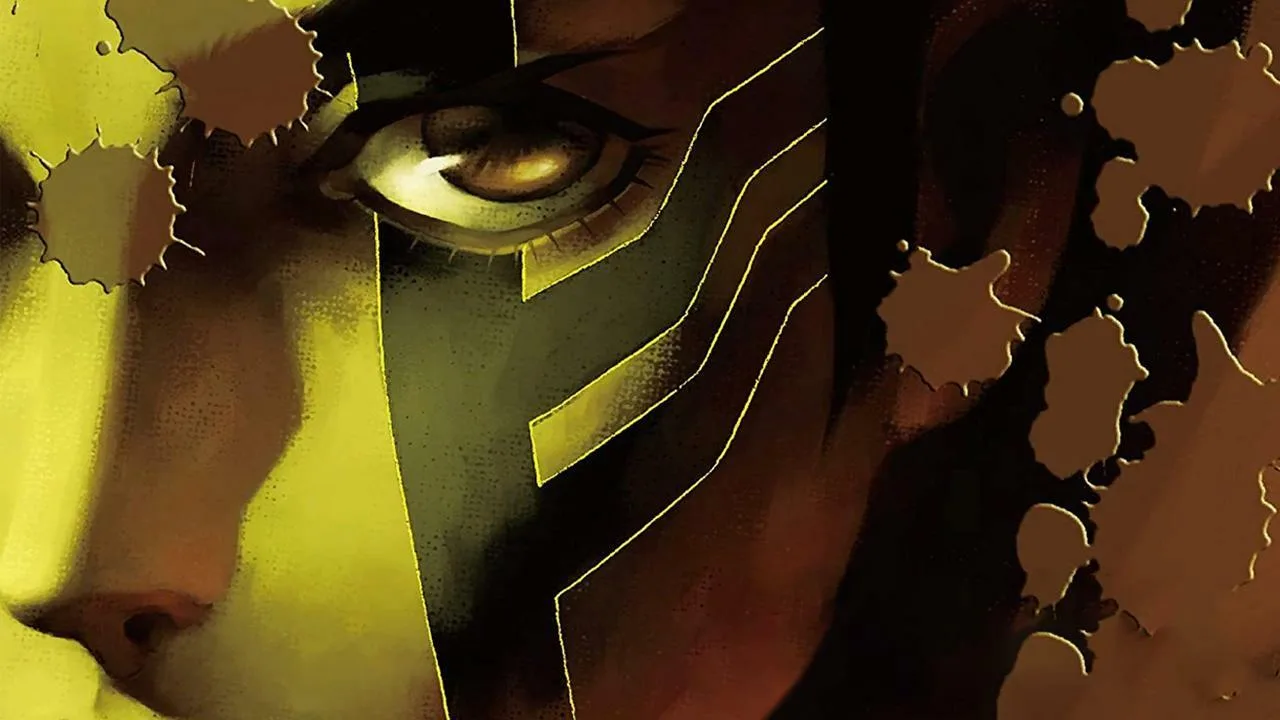
Explore the dual metaphor of Taizo in Shin Megami Tensei III: Nocturne HD Remaster, referencing the Taizo-Kai Mandala of Mikkyo esoteric Buddhism.
The Taizo-Kai Mandala is a concept from Mikkyo (esoteric Buddhism), which teaches of two separate worlds: the Taizo-Kai and the Kongo-kai. Mandalas are devotional images representing these concepts, intended for contemplation to achieve enlightenment.
The Kongo-kai represents the world of the transcendental Buddha, embodying the absolute truth of the enlightened universe and pure spirit. In contrast, the Taizo-Kai represents the compassionate and merciful nature of the enlightened universe, a world of physical phenomena. It is said that the living body is a fusion of these two worlds, being both physical and spiritual simultaneously.
The dual metaphor arises because 'Taizo' literally means 'womb'. This connects to the idea of a fetus being nurtured in the womb, paralleling the Taizo-Kai. In Shin Megami Tensei III: Nocturne HD Remaster, this is significant as the world is depicted as being in a developing state, akin to being within a 'uterus', with events like the 'Tokyo Fertilization' further emphasizing this theme.
- Understanding the Taizo-Kai and Kongo-kai concepts can provide deeper insight into the game's narrative themes.
- The 'womb' metaphor is crucial for understanding the state of the world within Shin Megami Tensei III: Nocturne HD Remaster.
100% Human-Written. AI Fact-Checked. Community Verified. Learn how AntMag verifies content