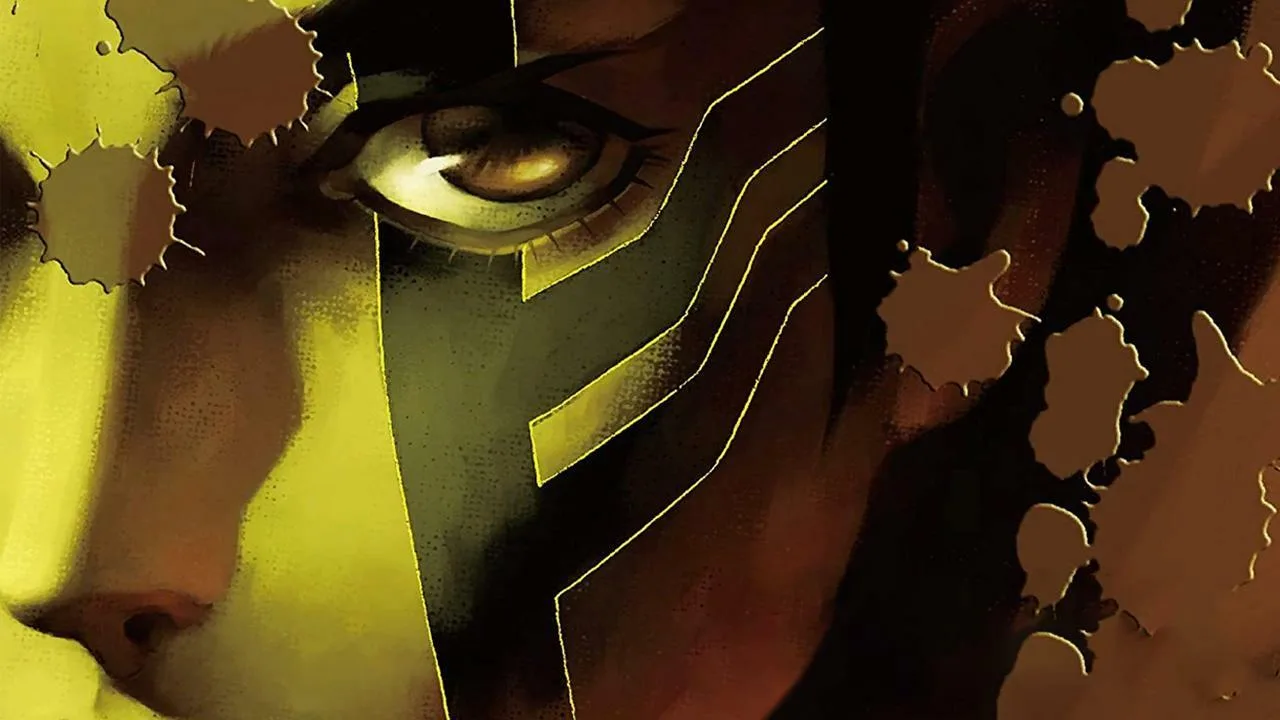
Discover recommended reading on ancient mythologies that inspired characters and lore in Shin Megami Tensei III: Nocturne HD Remaster. Dive into Babylonian, Celtic, Egyptian, Greek, Hebrew, Indian, Japanese, and Norse tales.
This section provides a curated list of books to deepen your understanding of the ancient mythologies that form the basis for many characters and elements in Shin Megami Tensei III: Nocturne HD Remaster. The focus is on reading the original stories rather than analytical reviews, prioritizing mythos frequently featured in the Megaten series.
General-Purpose Mythology: Dictionaries like the Dictionary of Ancient Deities offer quick overviews. For the stories themselves, Dover paperbacks offer accessible retellings, particularly their Egyptian selection. Be aware that some older collections (turn of the 20th century) may exhibit cultural bias.
Babylonian Mythology: Start with the Enuma Elish (Babylonian Creation myth) and The Epic of Gilgamesh. Myths of Mesopotamia is another good compilation. Caution is advised due to significant overlap with Sumerian, Babylonian, and Canaanite/Ugaritic pantheons.
Celtic Mythology: The Mabinogion, a collection of 12 Welsh tales, is highly recommended. The Dictionary of Celtic Mythology serves as a useful reference. Irish folktales also offer rich material.
Chinese Mythology: Due to its fragmented, oral tradition, a single definitive source is rare. Xiyouji (The Journey to the West) is a notable exception. General folklore compilations are otherwise the best approach.
Egyptian Mythology: The Book of the Dead is essential. Dover's paperback series also features other relevant hieroglyphic texts. Abundant resources are available for this mythos.
Greek and Roman Mythology: Widely studied, resources are plentiful. Bulfinch's Mythology is invaluable, alongside the epic poems The Iliad and The Odyssey.
Hebrew/Christian Mythology: The Christian Bible is useful for later periods, but the Apocrypha (books omitted from the Bible) offers more insight into earlier beliefs with less Church influence. The Other Bible is a compilation, though not exhaustive. Essential Hebrew sources include the Talmud and Kabbalah. Be mindful of Western cultural bias in many English scholarly works.
Indian Mythology: The great epics Mahabharata and Ramayana are fundamental. The Puranas and Vedas are also significant. As one of the oldest surviving religions, Indian mythology offers a vast amount of material.
Japanese Mythology: The Kojiki is the primary work. The Nihon Shoki and Manyoshu contain mythological content, but less so than the Kojiki. Traditional Japanese theater, such as No and Kabuki plays, also draws heavily from mythology.
Norse Mythology: The Edda (both Prose and Poetry versions) is crucial for understanding Norse myths. Both are recommended, with a slight preference for the Prose Edda.
100% Human-Written. AI Fact-Checked. Community Verified. Learn how AntMag verifies content