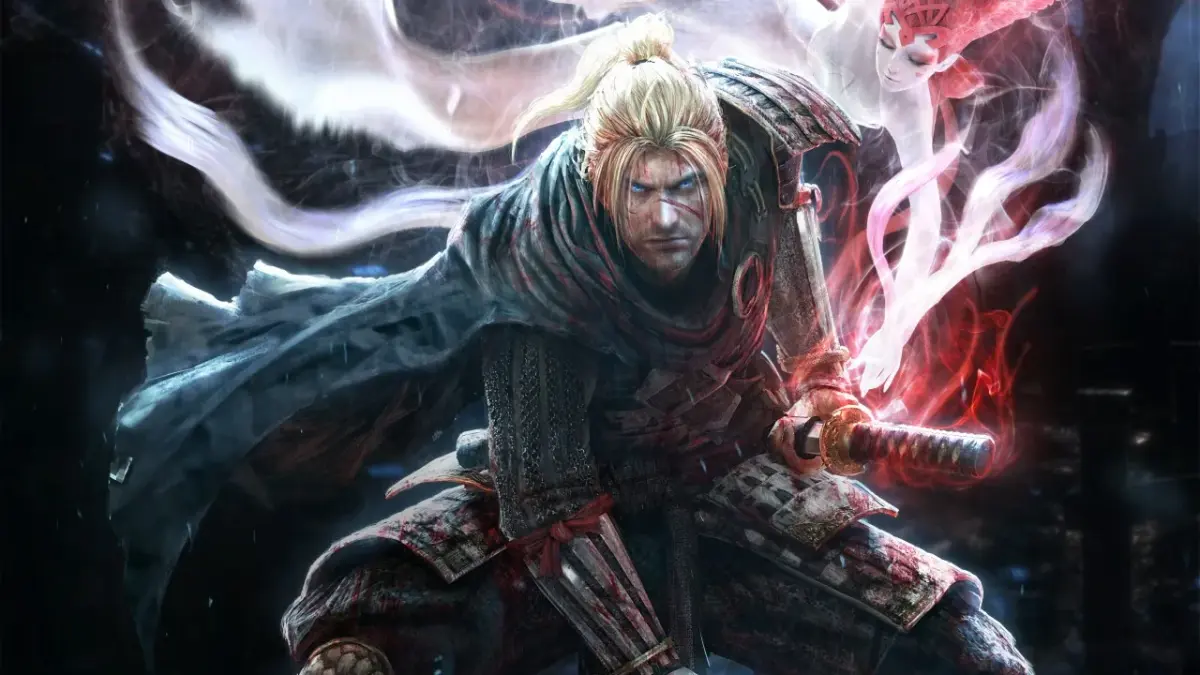
Learn about Mototada's loyalty, Ii Naomasa's "Ii's Reds," and Tokugawa Ieyasu's rise in Nioh Part 179.
Mototada
Mototada was a loyal retainer who refused rewards from both the Takeda clan and later Toyotomi Hideyoshi. When Tokugawa Ieyasu departed to battle Uesugi Kagekatsu, Mototada was left to guard Fushimi Castle with a small force. Expecting an attack from Ishida's troops, Mototada prepared for a sacrificial defense. Despite being heavily outnumbered, he held the castle for twelve days, disrupting Ishida's strategic plans.
Ii Naomasa
Ii Naomasa was a general under Tokugawa Ieyasu, known for his skill in both warfare and the arts. He was one of the Four Celestial Kings of the Tokugawa clan. Naomasa joined Ieyasu's service as a page at the Battle of Nagashino. Despite a gentle appearance, his body bore many battle scars. He famously hired Takeda retainers, forming the feared "Ii's Reds" unit, distinguished by their blood-red armor. Leading them personally, and often wearing a horned helmet, Naomasa's ferocity earned him the nickname "Red Oni." After his father's execution when Naomasa was two, Ii Naotora raised him. She was a shrewd negotiator who saved the Ii clan. Upon her death, Naomasa inherited her Guardian Spirit, a Fire Tiger. Naomasa was also known for his good looks and courtesy, impressing Toyotomi Hideyoshi's mother so much that she requested him as a bodyguard.
Tokugawa Ieyasu
Tokugawa Ieyasu was the daimyo of the "Eight Provinces" and a leader among Toyotomi's advisors. In 1596, he became Inner Minister, known as "Naifu." Surviving numerous battles, he was called the "Greatest Archer on the Eastern Way" and the cunning "Tanuki" for his cunning. As a youth, he was a hostage for the Imagawa clan before allying with Oda Nobunaga. The threat of the Takeda clan made this alliance a master-servant relationship. Ieyasu faced many difficulties but always overcame them. After serving Toyotomi Hideyoshi, he was close to unifying Japan. Ieyasu's desire for nationwide peace stemmed from his early life experiences of loss and being a hostage. He was willing to sacrifice retainers, his wife, and children for this ideal, though he carried the burden of these sacrifices. At the Battle of Sekigahara, Ieyasu recognized it as the decisive battle for Japan and plotted against other daimyo. His troops initially had low morale.
- Mototada's defense of Fushimi Castle highlights the importance of strategic sacrifice.
- Ii Naomasa's "Ii's Reds" demonstrate the impact of specialized units and fearsome appearance.
- Tokugawa Ieyasu's rise showcases the combination of military prowess, cunning strategy, and a strong will to achieve unification.
100% Human-Written. AI Fact-Checked. Community Verified. Learn how AntMag verifies content