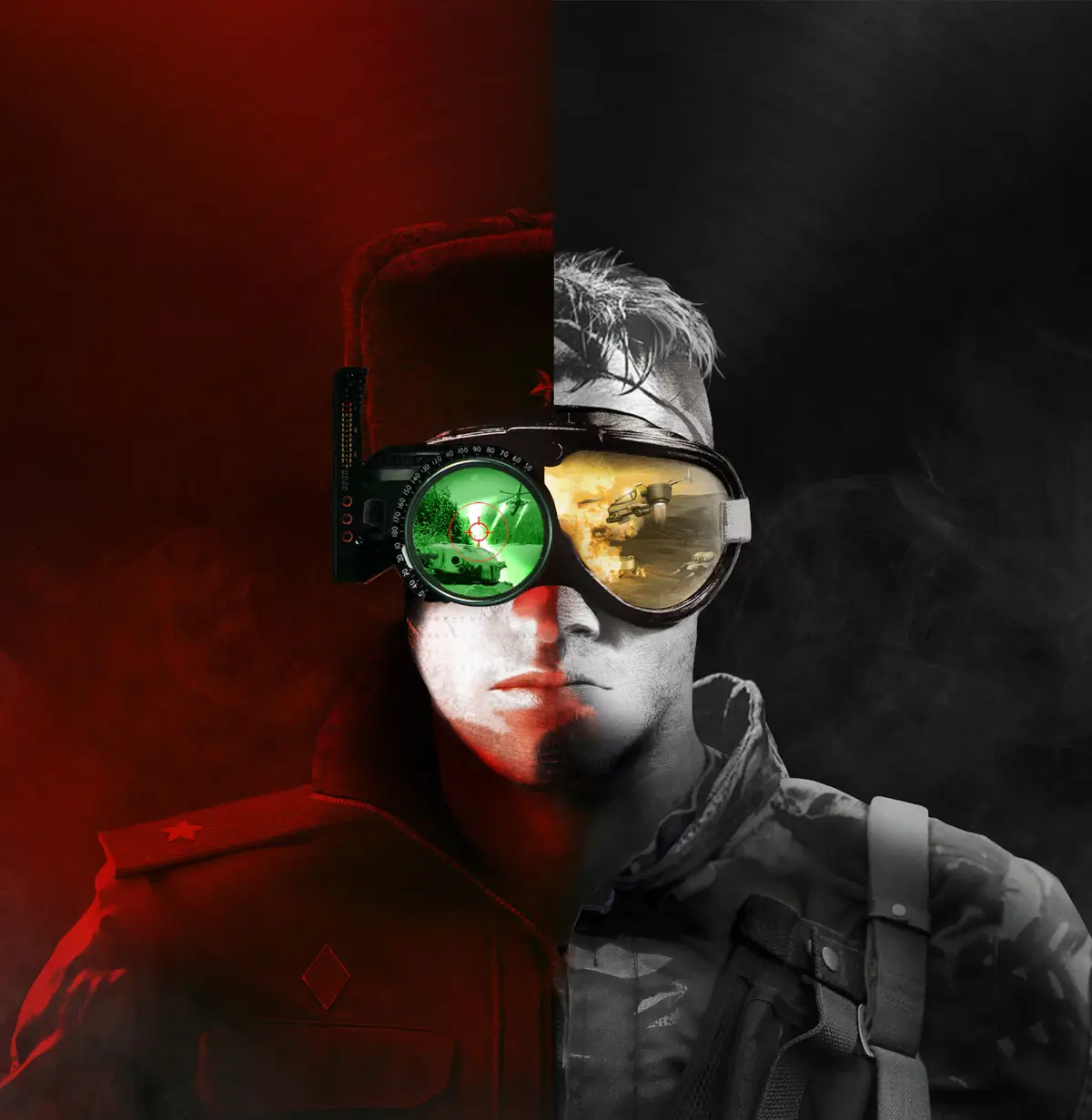
Command & Conquer Remastered Collection Red Alert features diverse European landscapes. Master tactical challenges presented by the Alps, forests, and hills.
The Red Alert portion of the Command & Conquer Remastered Collection transports players to diverse European landscapes, each presenting unique tactical challenges. From the snow-capped peaks of the Alps to the rolling hills and dense forests, the environment plays a crucial role in shaping battlefield strategy and unit engagement.
The Command & Conquer Remastered Collection meticulously recreates the iconic battlefields of Red Alert, and its European settings are a significant part of that experience. These maps are not just backdrops; they are integral to gameplay, influencing unit movement, line of sight, defensive positioning, and the overall strategic approach required for victory. The diverse European environments offer a rich tapestry of tactical opportunities and challenges for both the Allied and Soviet forces.
One of the most prevalent European landscape types encountered is the Alpine region. Characterized by rugged mountains, steep inclines, and often snow-covered terrain, these maps present natural choke points and elevated positions. Allied forces might find it advantageous to establish defensive strongholds on higher ground, using the terrain to their advantage for artillery and anti-air emplacements. Soviet forces, with their emphasis on brute force, might need to carefully navigate mountain passes, being wary of ambushes and flanking maneuvers. The limited buildable areas and the difficulty of rapid troop movement make these maps highly strategic, rewarding careful planning and positioning.
Another common setting is the temperate European countryside. These maps often feature rolling hills, scattered forests, rivers, and small villages. Forests can provide excellent cover for infantry and light vehicles, allowing for ambushes and hit-and-run tactics. Rivers can act as natural barriers, forcing players to use bridges or amphibious units, creating critical chokepoints. The open fields, while offering good visibility, can also expose units to long-range artillery fire. Players must learn to leverage the cover provided by trees and terrain features while being mindful of open sightlines.
Coastal regions and islands also feature prominently, introducing naval warfare and amphibious assaults into the mix. These maps often require players to establish naval superiority to support ground invasions or to protect their own shores from enemy landings. The presence of water bodies significantly alters movement patterns and introduces new strategic considerations, such as the importance of naval units and coastal defenses.
Urban environments, such as war-torn cities or industrial complexes, offer a different kind of tactical challenge. These maps are characterized by dense building placement, narrow streets, and limited open spaces. Combat in urban settings often becomes a close-quarters affair, favoring infantry and fast-moving vehicles that can navigate the tight confines. Destroyed buildings can create new cover or block pathways, dynamically altering the battlefield. Controlling key intersections and buildings becomes paramount for gaining an advantage.
The weather and time of day can also play a role in certain European landscapes, though this is more pronounced in some versions of Red Alert. For instance, nighttime battles might reduce visibility, favoring stealth units or requiring more reliance on radar. Snowy conditions could potentially slow down certain units, impacting their mobility.
When playing on these European maps, consider the following strategic implications:
- Terrain Advantage: Always look for opportunities to use the terrain to your advantage. Elevated positions for artillery, forests for ambushes, and rivers as defensive barriers are invaluable.
- Choke Points: Identify and control natural choke points, such as mountain passes, bridges, or narrow valleys. These are ideal locations for defensive stands or ambushes.
- Line of Sight: Be aware of how terrain affects line of sight. Hills and forests can block your view, while open plains offer long sightlines for artillery and snipers.
- Amphibious Assaults: If water is present, consider the importance of naval units and amphibious capabilities for flanking maneuvers or direct assaults.
- Urban Warfare: In cities, prioritize controlling key buildings and intersections. Use cover effectively and be prepared for close-quarters combat.
The Command & Conquer Remastered Collection's faithful recreation of these European landscapes ensures that You can relive the classic strategic depth of Red Alert, where the environment itself is a formidable opponent and a valuable ally.
| European Landscape Type | Key Features | Tactical Considerations |
|---|---|---|
| Alpine | Mountains, snow, steep inclines | Elevated positions, choke points, limited movement |
| Countryside | Hills, forests, rivers, villages | Cover for ambushes, river crossings, open fields for artillery |
| Coastal/Island | Water bodies, shorelines | Naval superiority, amphibious assaults, coastal defense |
| Urban | Buildings, narrow streets, limited open space | Close-quarters combat, cover, controlling key points |
100% Human-Written. AI Fact-Checked. Community Verified. Learn how AntMag verifies content