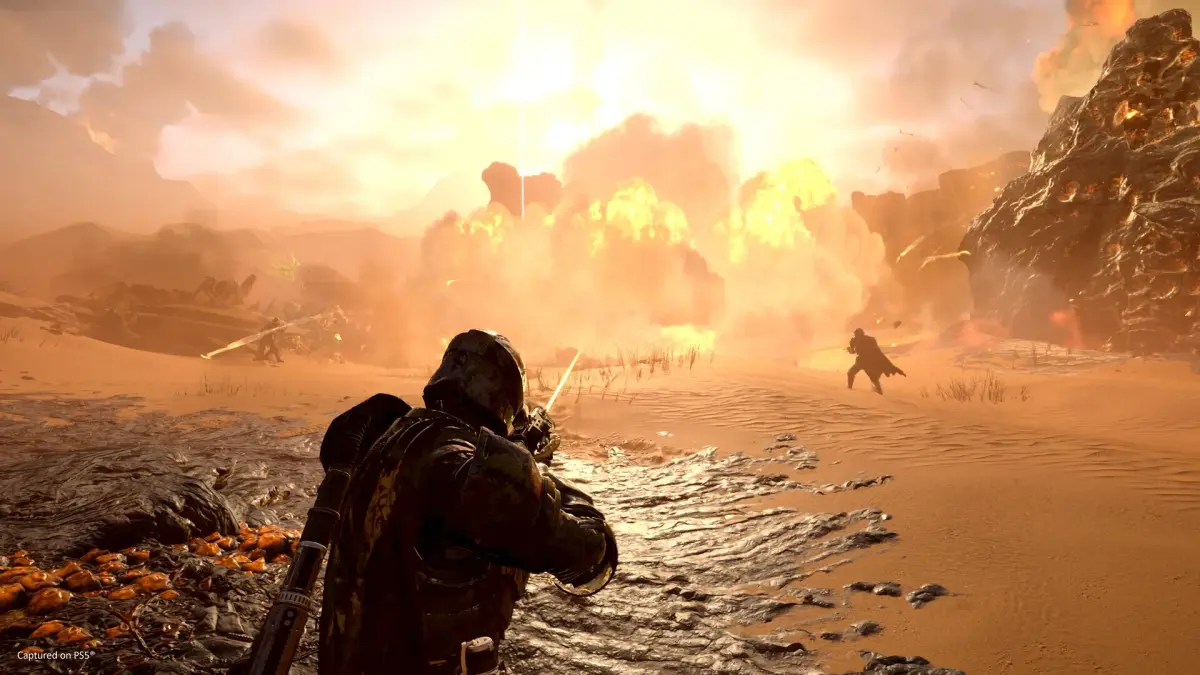
Master Helldivers 2 grenades and explosives. Learn about Impact, Incendiary, and Thermite grenades for crowd control, anti-armor, and area denial.
Explosive Solutions: A Guide to Grenades and Explosives in Helldivers 2
Sometimes, the most elegant solution to a problem is a well-placed explosion. Grenades and other explosive devices are indispensable tools in a Helldiver's arsenal, capable of clearing out entrenched enemies, destroying fortifications, and creating tactical advantages. Mastering their use is crucial for dealing with both swarms and heavily armored threats.
Explosives in Helldivers 2 come in various forms, each with its own strengths and applications. From the simple fragmentation grenade to specialized sticky bombs and incendiary devices, understanding their blast radius, damage types, and detonation mechanics will allow you to maximize their effectiveness. Proper timing and targeting are key to ensuring these powerful tools are used to their full potential, spreading freedom with a bang.
Types of Grenades and Explosives:
- G-16 'Impact' Grenade: A standard fragmentation grenade that detonates on impact. Excellent for clearing out groups of smaller enemies or damaging lightly armored targets. Its blast radius is moderate.
- G-36 'Incendiary' Grenade: Creates a pool of fire upon detonation, dealing damage over time to enemies caught in the area. Ideal for area denial, flushing enemies out of cover, and dealing with swarms of weaker foes.
- G-123 'Thermite' Grenade: Sticks to surfaces and detonates with a powerful, focused blast. Particularly effective against armored targets and structures, as it can melt through armor or destroy fortifications.
- G-10 'High Explosive' Grenade: A more powerful version of the Impact grenade with a larger blast radius and higher damage. Good for clearing larger groups or damaging tougher enemies.
- Explosive Stratagems (as secondary explosives): While not handheld, stratagems like the Eagle Cluster Bomb or Orbital Barrage function as large-scale explosives and should be considered when planning an explosive assault.
- Explosive Weapons: Certain primary and secondary weapons, like the Grenade Launcher or the Rocket Launcher, also fall under the explosive category and offer sustained explosive firepower.
Tactical Applications:
- Crowd Control: Grenades are your best friend when facing dense formations of enemies. A well-thrown Impact or High Explosive grenade can decimate a swarm.
- Area Denial: Incendiary grenades can create hazardous zones, forcing enemies to reroute or take damage. This is useful for defending objectives or slowing down advances.
- Anti-Armor: Thermite grenades are specifically designed to deal with heavily armored threats. Aim for weak points or directly on the armor plating of Chargers and Bile Titans.
- Destroying Structures: Use explosives to quickly destroy enemy fortifications like Automaton Fabricators or Terminid Bile Spewers nests.
- Flushing Enemies: Lob grenades into cover or buildings where enemies are hiding to force them out into the open.
- Breaching: Use explosives to clear paths through destructible terrain or enemy barricades.
- Aiming Arc: Pay attention to the grenade's trajectory arc when throwing. You can adjust your aim to lob grenades over cover or into specific areas.
- Detonation Time: Be aware of the fuse time. For Impact grenades, this is minimal, but for others, you might need to account for the time it takes to reach the target.
- Blast Radius: Understand the blast radius to avoid damaging yourself or your teammates.
- Ammo Management: Grenades are a limited resource. Use them wisely and prioritize targets that warrant their use.
- Synergy with Stratagems: Combine grenade usage with stratagems. For example, use an Incendiary grenade to weaken a group before calling in an Eagle Airstrike.
By mastering the art of explosive deployment, you can ensure that every engagement ends with the satisfying sound of Super Earth's justice being delivered, one blast at a time.
100% Human-Written. AI Fact-Checked. Community Verified. Learn how AntMag verifies content