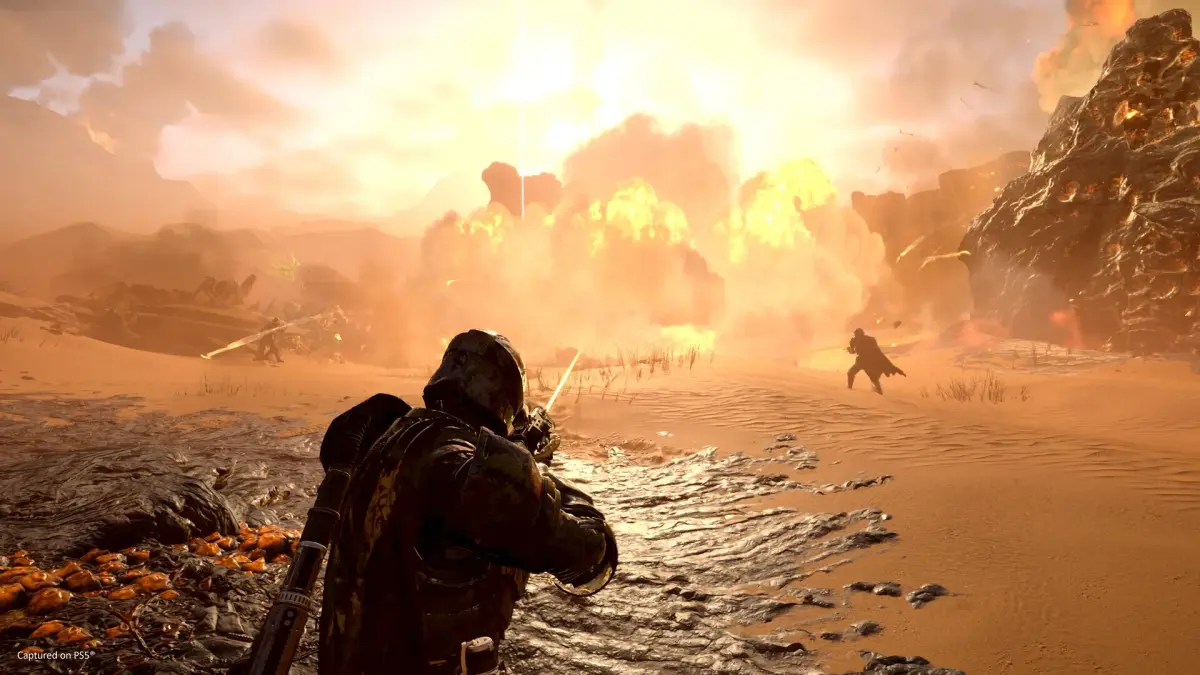
Helldivers 2 Planetary Biomes affect survival. Learn about environmental hazards like blizzards and acid rain to adapt tactics and ensure squad success.
9.1. Planetary Biomes & Environmental Effects
Each planet in Helldivers 2 boasts unique biomes, each with its own set of environmental hazards and challenges. Understanding these effects is crucial for adapting your tactics and ensuring your squad's survival against both the native threats and the planet itself.
The galaxy is a diverse and dangerous place, and the planets you liberate are no exception. From scorching deserts to frozen tundras and toxic swamps, each biome presents distinct environmental conditions that can significantly impact gameplay. These effects aren't just cosmetic; they can hinder your movement, damage your Helldiver, or even provide tactical advantages if used correctly. Super Earth's enemies have adapted to these environments, and so must you.
Common Biomes and Their Effects:
- Temperate/Grasslands: These are often the most straightforward environments, offering moderate cover and relatively stable weather. However, they can still be home to dense foliage that obstructs vision and provides hiding spots for enemies.
- Arid/Deserts: Expect extreme heat, sandstorms, and limited cover. Sandstorms can drastically reduce visibility, making it difficult to spot enemies or navigate. Heat can also be a factor, though its direct impact on Helldivers is less pronounced than other hazards.
- Frozen/Arctic: These planets are characterized by extreme cold, blizzards, and icy terrain. Blizzards can severely limit visibility, similar to sandstorms. Icy surfaces can make movement treacherous, potentially causing you to slip.
- Volcanic/Lava: These planets are defined by extreme heat, lava flows, and volcanic activity. Lava pools are instant death. The air can be thick with ash, reducing visibility, and geysers can erupt, creating hazardous zones.
- Swamp/Jungle: Expect dense vegetation, murky water, and potentially toxic environments. Visibility can be poor due to thick foliage. Some swamp areas might inflict slow movement or even damage over time if you linger too long.
- Alien/Exotic: These biomes can feature unique hazards like corrosive rain, electrical storms, or strange atmospheric phenomena that can affect your equipment or health.
General Environmental Hazards:
- Acid Rain: Corrosive precipitation that damages Helldivers over time. Seek shelter or use protective gear.
- Blizzards/Sandstorms: Severe weather that drastically reduces visibility, making navigation and combat difficult.
- Earthquakes: Ground tremors that can disorient Helldivers and potentially damage structures.
- Meteor Showers: Randomly falling meteors that can cause significant damage to Helldivers and the environment.
- Toxic Gas: Areas filled with poisonous gas that inflict damage over time. Gas masks or specialized armor can mitigate this.
Strategic Considerations:
- Cover: Utilize natural cover provided by the biome, but be aware that some cover might be destructible.
- Visibility: Adjust your tactics based on visibility. In low-visibility conditions, rely more on sound and close-quarters combat.
- Movement: Be mindful of terrain that can slow you down or cause you to lose footing.
- Stratagems: Some stratagems might be less effective or even dangerous in certain environments (e.g., calling an airstrike in a dense jungle).
Always assess the planet's biome and potential environmental effects before deploying. Your survival depends on your ability to adapt to the harsh conditions of the galaxy.
100% Human-Written. AI Fact-Checked. Community Verified. Learn how AntMag verifies content