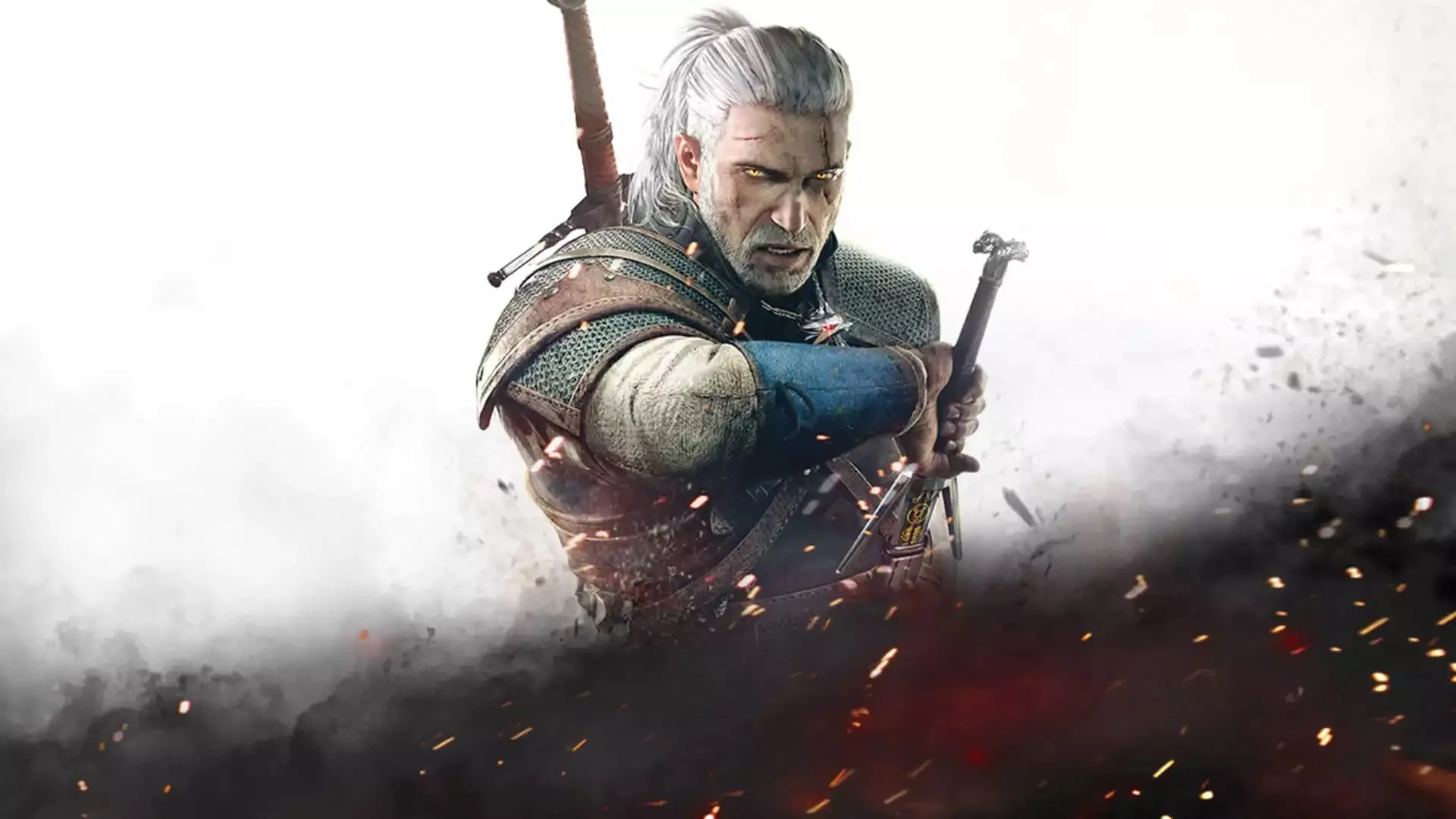
Understand the rich lore of The Witcher 3: Wild Hunt. Delve into the detailed fantasy setting, Slavic mythology, and complex political intrigue that shapes the.
The world of The Witcher 3: Wild Hunt is a richly detailed and mature fantasy setting, steeped in Slavic mythology and complex political intrigue. Developed by CD Projekt Red, the game's lore is a cornerstone of its appeal, offering a deep and often morally ambiguous narrative that explores themes of prejudice, war, and the nature of humanity. Understanding this lore is key to appreciating the game's depth.
The Continent, where the game takes place, is a land rife with conflict, where humans, elves, dwarves, and other non-human races coexist uneasily, often with a history of violence and oppression. Witchers, like Geralt of Rivia, are mutated monster hunters, feared and reviled by many for their unnatural abilities and perceived lack of emotion, yet often indispensable in protecting settlements from monstrous threats. The world is also populated by powerful mages, ancient beings, and a pantheon of gods and spirits that influence the lives of its inhabitants.
Key elements of the lore include:
- The Conjunction of the Spheres: A cataclysmic event that merged various dimensions, bringing monsters and magic into the world.
- Races: Humans are the dominant race, often clashing with elves and dwarves who have their own ancient kingdoms and grievances. Other sentient races include gnomes, halflings, and dryads.
- Monsters: The Continent is home to a vast array of creatures, from common beasts like wolves and bears to more dangerous and magical entities like griffins, drowners, and specters. Witchers are trained to hunt these creatures.
- Magic: Magic is a powerful force wielded by sorcerers and sorceresses, often playing a significant role in political power struggles and the lives of common folk.
- The Northern Realms vs. Nilfgaard: The primary political conflict revolves around the expansionist Nilfgaardian Empire from the south and the fractured Northern Kingdoms, including Temeria, Redania, and Kaedwen.
The game's narrative is heavily influenced by player choices, which can have far-reaching consequences on the political landscape and the fate of various characters and factions. The world is not black and white; moral decisions often involve choosing the lesser of two evils, reflecting the harsh realities of the Continent.
Key Factions and Powers:
| Faction/Power | Description |
|---|---|
| Nilfgaardian Empire | A powerful, expansionist empire from the south, known for its military might and sophisticated culture. |
| Northern Kingdoms | A collection of independent kingdoms (Temeria, Redania, Kaedwen, Aedirn, etc.) often at odds with each other and facing Nilfgaardian invasion. |
| The Lodge of Sorceresses | A clandestine organization of powerful female mages who often manipulate political events from the shadows. |
| The Wild Hunt | An otherworldly spectral cavalry pursuing Ciri for her Elder Blood powers. |
Exploring the world, reading in-game books, and engaging in conversations with NPCs will reveal more about the rich tapestry of lore that makes The Witcher 3 so compelling.
100% Human-Written. AI Fact-Checked. Community Verified. Learn how AntMag verifies content