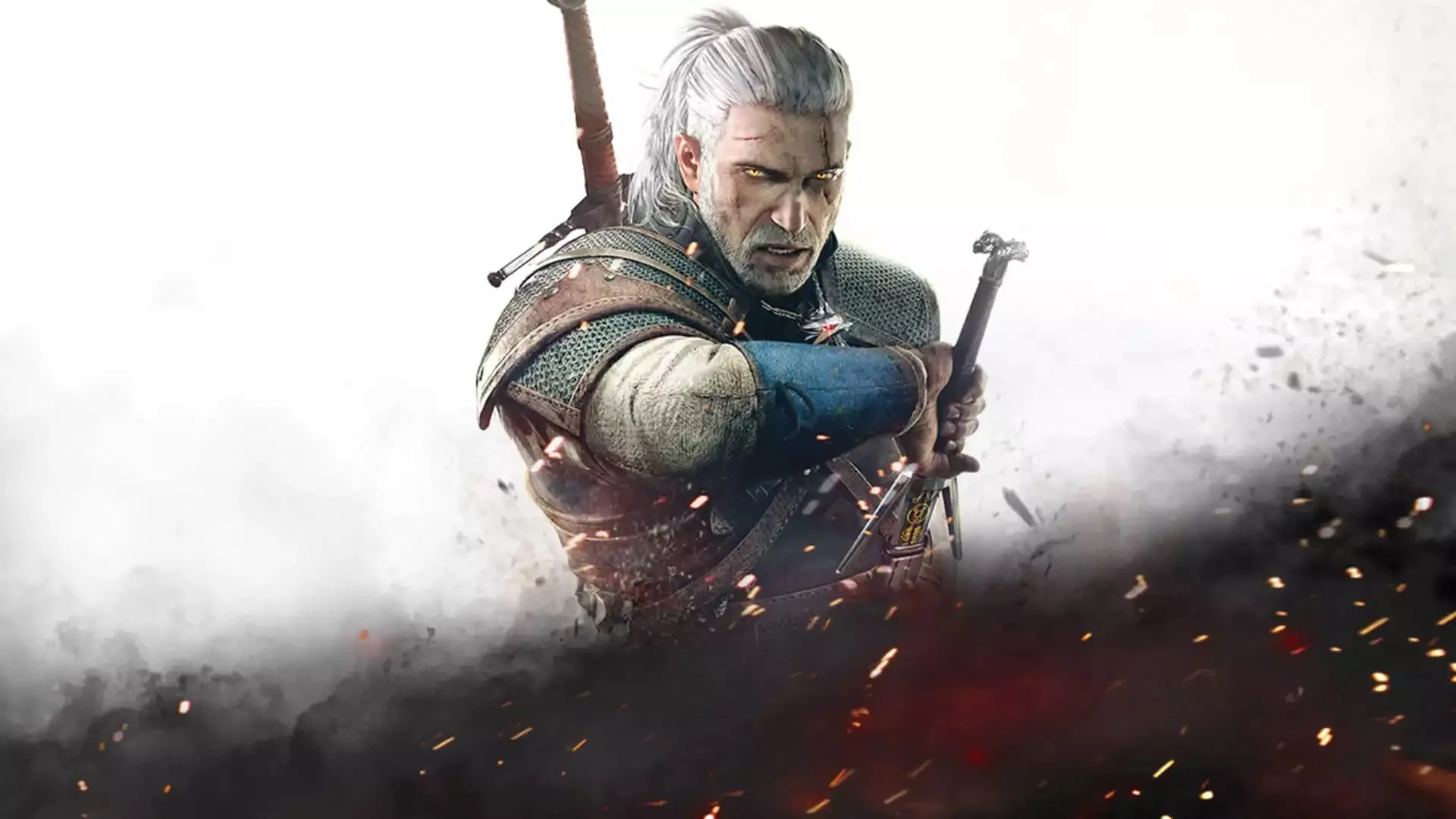
Simulate Witcher 2 choices in The Witcher 3: Wild Hunt with this guide. Make dialogue decisions and understand consequences for Geralt's world.
Starting The Witcher 3: Wild Hunt without a save file from The Witcher 2? No problem! The game offers a crucial dialogue sequence early on that allows you to simulate your past decisions. This guide will walk you through how to make those choices and understand their impact on Geralt's world.
When you begin a new game in The Witcher 3, you'll eventually reach a point where Geralt is questioned about his past. If you don't have a Witcher 2 save file to import, the game will prompt you to simulate your choices. This is your opportunity to shape the world and its characters based on key decisions made in the previous game. Pay close attention to the dialogue, as it presents a series of questions that mirror significant plot points and character interactions from The Witcher 2: Assassins of Kings.
Key Decisions to Simulate
The simulation process covers several pivotal moments. Here are some of the most impactful choices you'll be asked about:
- The Fate of the Lodge of Sorceresses: This is a major decision. You'll be asked whether you supported or opposed the Lodge, and how you dealt with key figures like Philippa Eilhart and Triss Merigold. Your choices here can affect the political landscape and the availability of certain characters or information later in the game.
- The Fate of the Rebellion: The outcome of the war and the fate of key rebel leaders like Iorveth and Vernon Roche are crucial. Deciding whether to side with Iorveth's Scoia'tael or Roche's Blue Stripes will have ripple effects. For instance, siding with Iorveth might lead to a more hostile reception from certain factions in Velen, while siding with Roche could influence Nilfgaardian relations.
- The Fate of the King of Temeria: The decision regarding King Foltest's successor and the overall political stability of Temeria is also presented. This can influence the presence and disposition of Temerian loyalists or those who have moved on.
- Geralt's Relationship with Triss Merigold: Your past romantic entanglements with Triss can be simulated. This will influence her dialogue and interactions with Geralt, and potentially her role in certain quests.
- The Fate of the Baron: While the Baron's story is central to The Witcher 3, your choices in Witcher 2 regarding his past actions or involvement in certain events can subtly influence how characters perceive him or how certain information about him is revealed.
How the Simulation Works
The game presents these choices through a series of dialogue options. Each question is designed to reflect a significant branching point in The Witcher 2. For example, you might be asked if you helped Iorveth escape or if you sided with Roche. The game doesn't delve into every single minor decision, but focuses on the major narrative threads that have the most significant impact on the world state.
Tip: If you're unsure about what you would have chosen, or if you haven't played Witcher 2, consider making choices that al with the narrative you want to experience in The Witcher 3. For instance, if you want a more morally grey or anti-establishment Geralt, you might lean towards choices that reflect that. Conversely, if you prefer a more lawful or diplomatic approach, select options that al with that.
Consequences in The Witcher 3
The choices you simulate will have tangible, though often subtle, consequences throughout your playthrough of The Witcher 3:
- Character Availability and Dialogue: Certain characters who survived or were aided by your choices in Witcher 2 may appear or have different dialogue options. Conversely, characters who met a grim fate might be referenced as deceased.
- World State and Factions: The political climate and the power of various factions can be subtly altered. This might manifest in the types of quests available, the disposition of NPCs towards Geralt, or even the presence of certain military forces in different regions.
- Quest Outcomes: Some quests might have slightly different starting conditions or available paths based on your simulated past. For example, a quest involving a specific character might unfold differently if that character had a positive or negative history with Geralt.
- Lore and Background Information: Geralt's internal monologues and conversations with other characters may reference past events that al with your simulated choices, enriching the narrative and your understanding of the world's history.
By carefully considering these simulated choices, you can ensure that your journey in The Witcher 3 feels like a direct continuation of Geralt's epic saga, even without a direct save import.
100% Human-Written. AI Fact-Checked. Community Verified. Learn how AntMag verifies content