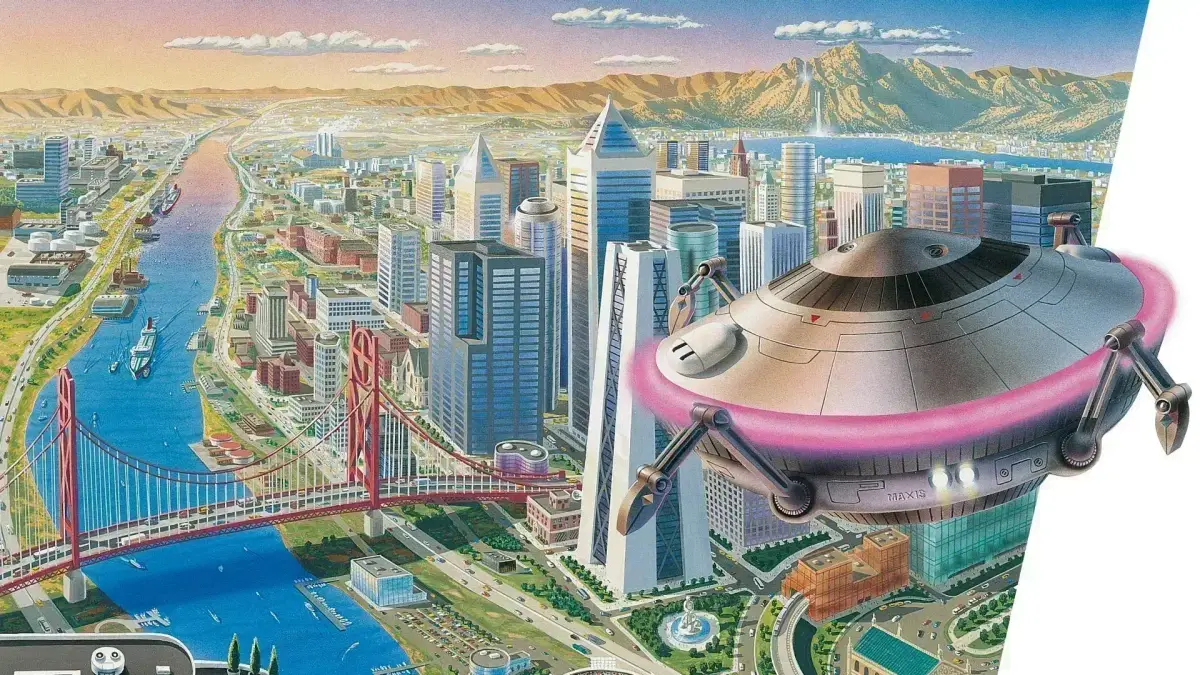
Unlock SimCity 2000's secrets! Learn how RCI zones, property taxes, and essential infrastructure drive city growth and prosperity. Master the simulation today.
Walkthrough
- 1Understand RCI Zones: These are the foundation of your city. The game has an internal 'golden ratio' for RCI zones that shifts as your population grows. Initially, aim for a population ratio of approximately 4 R, 1 C, 3 I. After reaching around 10,000 citizens, use the RCI demand meters as a guide, but be aware they can fluctuate.
- 2Adhere to the Zone Ratio: The most critical factor for development. R zones should generally make up about 50% of your city (R demand ≈ C+I demand). Industrial demand is high early on, evening out later, and Commercial demand eventually surpasses Industrial.
- 3Importance of Transit and Power: RCI zones are the only buildings that require functional transit, and each zone type needs a valid path to the other two. Ensure all zones are powered. Other buildings generally do not benefit from transit.
- 4Role of Property Taxes: The default tax rate is 7%. Increasing taxes to 9% forces strict adherence to the zone ratio but maintains high demand. Lower taxes offer more flexibility to deviate from the ratio. Raising taxes above 9% can lead to unpredictable population swings. On Easy mode, 7% is a good balance.
- 5When Other Factors Matter: Recreational facilities, ports, and neighboring connections become necessary for further population growth, but only when the game indicates they are needed.
- 6Increasing Land Value: Higher land value is key for dense RCI zone development. It's influenced by a functioning water system, scenic elements (slopes, trees, water, parks), rubble, crime, and heavy-polluting buildings.
- 7Irrelevant Systems: Health and education subsystems have minimal impact on overall city growth.
- 8City Ordinances: These can influence RCI demand, revenue, and quality of life metrics in specific ways.
- 9Map Rotation: Be aware that rotating the map can literally alter your city's layout and development.
Tips
- Focus on RCI balance and essential infrastructure (power, transit) first.
- Don't build recreational facilities or ports too early; wait for the game to prompt you.
- Monitor RCI demand meters, especially after the initial growth phase.
- Experiment with tax rates to find a balance between revenue and development flexibility.
- Be mindful of the impact of pollution and crime on land value, but don't over-prioritize them over RCI balance.
100% Human-Written. AI Fact-Checked. Community Verified. Learn how AntMag verifies content