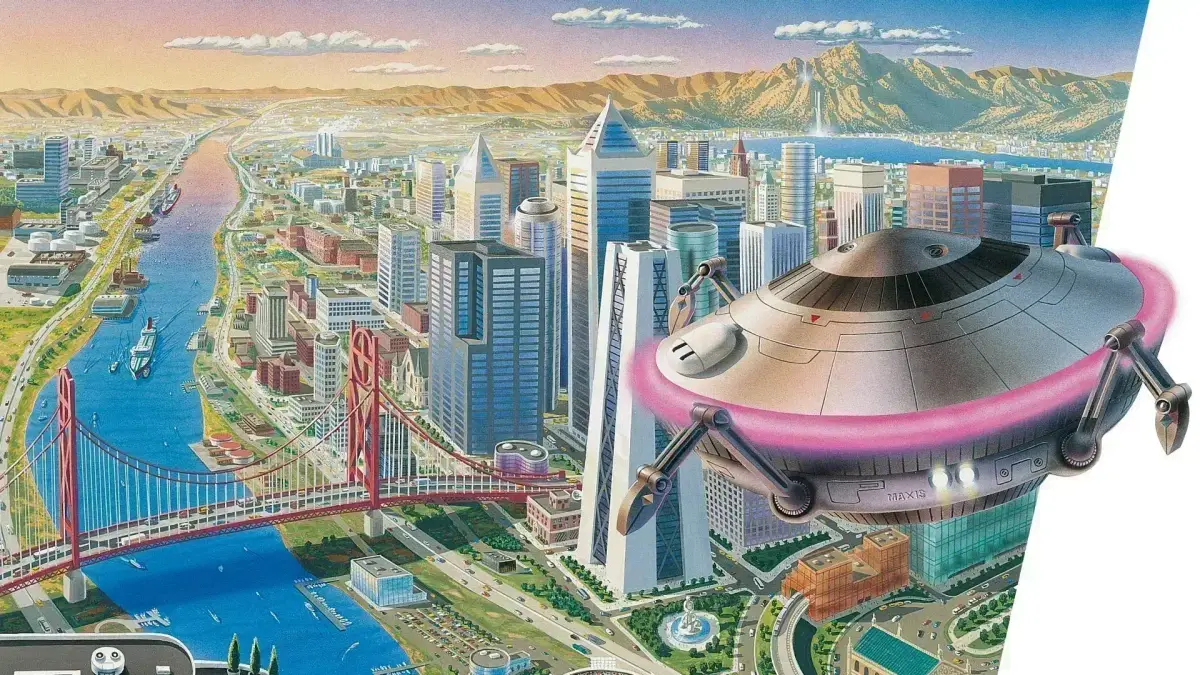
Learn the essential SimCity 2000 RCI zone ratios, tax implications, and transit requirements to foster city growth and prosperity. Master the core simulation.
Residential, commercial, and industrial zones are the foundation of your SimCity 2000 city, forming your population and tax base. Everything else in the game exists to support these RCI zones. Power and transit are the only other necessities, and only RCI zones actually utilize transit.
Walkthrough
- 1Understand the Golden Ratio: The game desires a specific ratio of RCI zones that shifts as your population grows. The RCI demand meter offers a guide, but it can fluctuate.
- 2Early Game Strategy (Under 10k Pop): Aim for an RCI population ratio of approximately 4-1-3. The actual desired land area ratio is closer to 48% R, 11% C, 41% I, but R zones tend to develop less densely and I zones more densely.
- 3Mid-to-Late Game Strategy (Over 10k Pop): Use the demand meters as a guide, as they become more stable. Generally, Residential (R) demand will equal Commercial (C) + Industrial (I) demand (around 50% R). Initially, Industrial demand is much higher than Commercial (e.g., 3-to-1). As the city grows past 100k population, Commercial demand will eventually surpass Industrial demand.
- 4Ensure Transit: RCI zones are the only buildings that require functional transit. Each zone type must have a valid path to the other two zone types. Do not provide transit to non-RCI buildings unless for aesthetics.
- 5Prioritize RCI Balance: Successfully developing your city hinges on adhering to the proper RCI ratio. You can overlook other factors like crime or pollution with minimal consequences for population growth, provided zones are powered and traffic is manageable.
- 6Troubleshoot Zone Development: If a zone type isn't developing despite high demand, it likely lacks a valid transit path to the other two zone types.
Tips
- The property tax rate significantly impacts your flexibility with the RCI ratio. A 7% rate offers a balance. Increasing to 9% requires strict adherence to the ratio but maintains high demand. Lowering taxes grants more freedom to deviate from the ideal ratio. Raising taxes above 9% can lead to unpredictable population swings.
- Recreational facilities, ports, and neighboring connections are only necessary for increasing population beyond a certain point; they provide no benefit before then.
- Higher land value is crucial for dense RCI zone development, influenced by water systems, scenic elements, rubble, crime, and pollution.
- Health and education systems have minimal impact on overall city growth.
- City ordinances have specific, measurable effects on RCI demand, revenue, and quality of life.
- Rotating the map can literally alter your city's layout and development.
100% Human-Written. AI Fact-Checked. Community Verified. Learn how AntMag verifies content