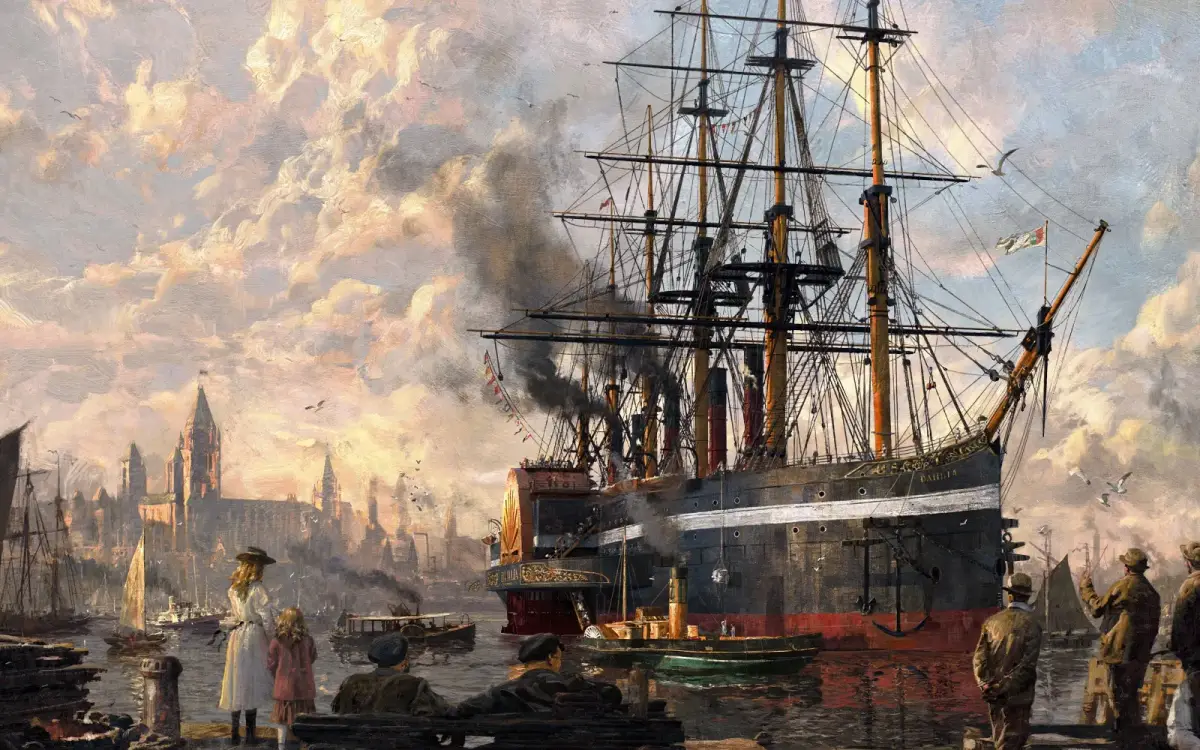
Welcome to Anno 1800, the ultimate city-builder where you'll forge your own empire in the Industrial Revolution. It's a deep RTS experience focused on intricate resource management and economic simulation, perfect for players who love building sprawling metropolises and optimizing complex production chains.
This guide dives deep into the game's challenges, offering strategies for quests like "The Family Business" and "The Engineer's Dream." We'll cover how to master Influence, navigate the New World, and even take down notorious pirates like Anne Harlow. Plus, get tips for building out your Museum and Zoo collections.
Overview
Explore the core mechanics of Anno 1800, including population, production, trade, diplomacy, and more. Learn about resources, regions, characters, and DLCs.
Overview
Explore the core mechanics of Anno 1800, including population, production, trade, diplomacy, and more. Learn about resources, regions, characters, and DLCs.
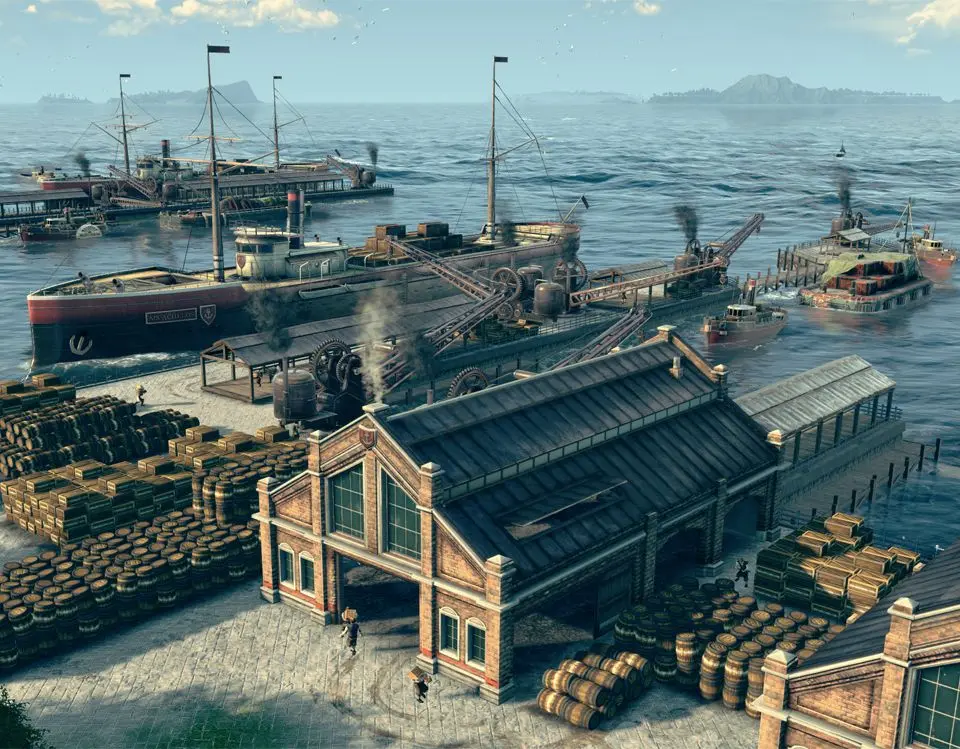
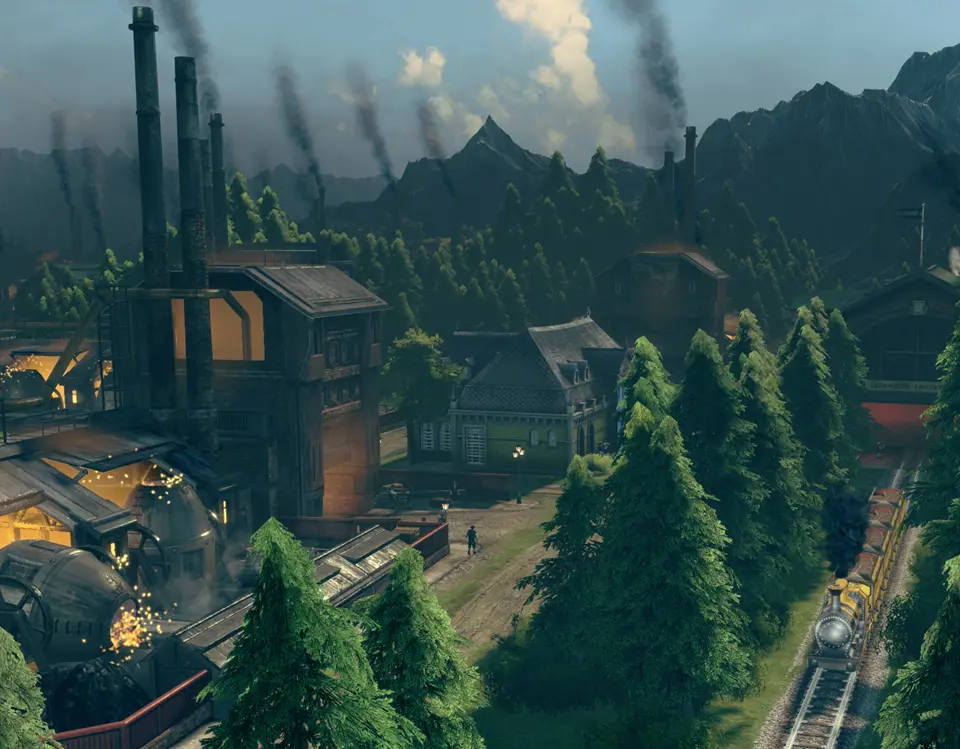
Quest: Cold Comfort
Guide for 'Cold Comfort' quest in Anno 1800, covering Arctic settlement, new buildings, and heat management.
Quest: Cold Comfort - A Comprehensive Walkthrough
The "Cold Comfort" quest serves as your introduction to the unforgiving yet resource-rich Arctic region in Anno 1800. This multi-stage quest will guide you through the essentials of establishing and sustaining a thriving settlement in the frozen north, from managing extreme temperatures to exploiting crucial gas deposits. Success in the Arctic is paramount for unlocking advanced airship technology and securing a vital resource for your Old World industries.
Quest Overview
This quest chain begins once you reach a certain population threshold in the Old World (typically Artisans or Engineers, prompting an expedition to the Arctic). It guides you through:
- Establishing your first Arctic outpost.
- Understanding and managing the unique "Heat" mechanic.
- Providing for the needs of your new Arctic population: the Explorers.
- Setting up essential production chains for Arctic goods.
- Exploiting natural gas deposits.
Phase 1: The Arctic Expedition and Initial Settlement
Your journey to the Arctic begins with an expedition. Ensure your expedition ship is well-provisioned with:
- Food Rations: Essential for crew morale.
- Wood: For initial construction.
- Steel Beams: For more advanced structures.
- Construction Materials: Bricks, Windows, etc., as needed for initial buildings.
Upon successfully completing the expedition event, you will arrive in the Arctic region. Your first objective is to establish a basic settlement.
- Choose Your Island: Look for an island with good buildable space, access to fish, and ideally, proximity to gas deposits (though these will be exploited later). The starting island often has a good balance.
- Build a Trading Post: This is your initial foothold.
- Construct a Warehouse: To store incoming goods and local produce.
- Establish a Fishery: Fish is the primary food source for your early Explorers.
- Build Explorer Residences: These are the unique housing types for the Arctic. They require no construction materials initially, only influence.
- Provide Basic Needs: Explorers will immediately demand Fish. Ensure your Fishery is operational and connected to your residences via roads.
Phase 2: Mastering the Heat Mechanic
The Arctic's most significant challenge is the extreme cold. Your buildings and residents will suffer from a "Cold" status effect, leading to reduced productivity, happiness, and eventually, abandonment if not addressed. This is where the "Heat" mechanic comes into play.
- Build a Main Arc: This is your primary heat source. Place it strategically to cover as many residences and production buildings as possible. The Main Arc has a significant heat radius.
- Construct Heating Stations: These extend the heat coverage from your Main Arc. Place them to fill in gaps and reach distant buildings. Heating Stations require Wood to operate.
- Monitor Heat Coverage: Click on your Main Arc or Heating Stations to see their heat radius. Buildings within the blue circle are heated. Buildings outside will display a snowflake icon.
- Manage Wood Supply: Wood is crucial for heating. Establish a Lumberjack's Camp and Sawmill early on your Arctic island. You may also need to import Wood from the Old World initially.
Common Pitfall: Neglecting heat will quickly cripple your Arctic economy. Always prioritize heat coverage for residences and essential production buildings.
Phase 3: Meeting Explorer Needs and Advanced Production
As your Explorer population grows, they will demand more complex goods. The "Cold Comfort" quest specifically highlights Schnapps, Canned Food, and Parkas.
Schnapps Production
Explorers, like many Anno citizens, enjoy a good drink. Schnapps is produced in the Old World.
- Old World Production: Ensure you have a robust Schnapps production chain in your Old World settlements (Potato Farms & Schnapps Distilleries).
- Arctic Import: Set up a trade route from your Old World island to your Arctic island to transport Schnapps.
Canned Food Production
Canned Food is another Old World staple that needs to be imported.
- Old World Production: Establish a Canned Food production chain in the Old World (Pigs, Cattle, Red Peppers, Canneries).
- Arctic Import: Set up a trade route to bring Canned Food to the Arctic.
Parka Production (Arctic Specific)
Parkas are unique to the Arctic and are essential for your Explorers' comfort and productivity. This requires a new production chain.
- Build a Seal Hunting Cabin: These are placed on the coastline and harvest Seal Blubber. Ensure they are within a heated zone for optimal efficiency.
- Construct a Fur Dealer: The Fur Dealer processes Seal Blubber into Furs. This building also needs to be heated.
- Build a Tailor: The Tailor uses Furs to produce Parkas. Again, ensure it's within a heated area.
- Connect via Roads: Ensure all these production buildings are connected to your Warehouse and residences.
Strategy Tip: Prioritize Parka production. Unmet Parka needs will severely impact Explorer happiness and productivity, even if they are heated.
Phase 4: Exploiting Natural Gas
The ultimate goal of your Arctic venture is to extract Natural Gas, a critical resource for airship construction and power generation in the Old World. This phase is often the culmination of the "Cold Comfort" quest.
- Locate Gas Deposits: Natural Gas deposits appear as geysers on your Arctic island. You may need to expand your settlement or explore other islands to find suitable locations.
- Build a Gas Power Plant: This is the primary structure for extracting gas. Place it directly on a gas geyser. The Gas Power Plant requires Steel Beams and Advanced Weapons to construct.
- Connect to a Warehouse: The extracted Gas will be stored in your Warehouse.
- Establish an Airship Hangar: To transport the gas back to the Old World, you need to build an Airship Hangar. This is a large, complex building requiring significant resources (Steel Beams, Windows, Reinforced Concrete, Steam Motors).
- Construct Airships: Once the Hangar is built, you can construct airships. These are specialized cargo vessels for the Arctic. Load them with Natural Gas.
- Set Up Airship Trade Route: Create a trade route for your airships to transport Natural Gas from your Arctic Hangar to a designated warehouse in the Old World.
Important Note: Gas Power Plants generate significant heat. Strategically placing them near residences or other production buildings can help with heat management, but be mindful of the pollution they generate.
Quest Completion and Rewards
Upon successfully establishing your gas extraction and transport, and adequately providing for your Explorers, the "Cold Comfort" quest will conclude. You will be rewarded with:
- Influence: For your efforts in expanding your empire.
- Unique Items: Often a specialist or item that boosts Arctic production or airship capabilities.
- Access to Airship Technology: Full access to airship construction and advanced modules.
- Continued Gas Supply: The ability to continuously extract and utilize Natural Gas, fueling your Old World's industrial growth.
Summary of Key Arctic Challenges
- Heat Management: Always prioritize heating for all essential buildings and residences.
- Logistics: Efficient trade routes between the Old World and Arctic are crucial for imported goods.
- Resource Scarcity: Arctic islands often have limited resources. Plan your expansion carefully.
- New Production Chains: Master the unique Arctic production for Parkas and Gas.
By following these steps, you'll successfully navigate the "Cold Comfort" quest and establish a thriving, profitable presence in the challenging Arctic region, paving the way for further industrial expansion and technological advancement in Anno 1800.
Quest: A Monument to Progress
Guide for 'A Monument to Progress' quest in Anno 1800, detailing Grand Exhibition construction and resource management.
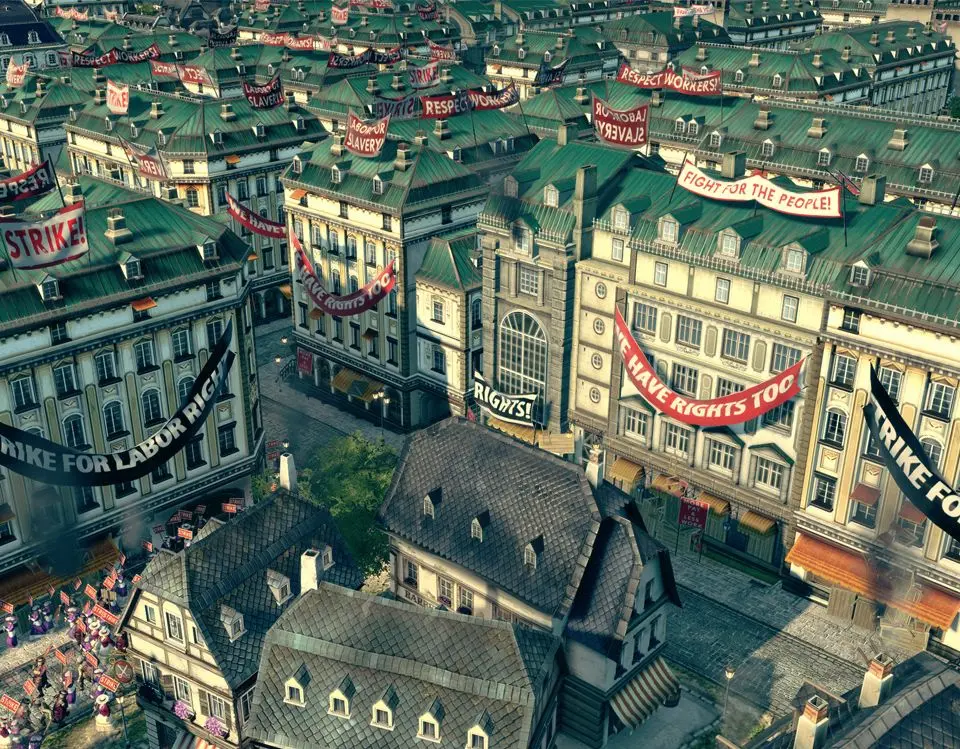
The "A Monument to Progress" quest in Anno 1800 challenges even the most seasoned industrialist. It tasks you with constructing the Grand Exhibition, a multi-stage marvel that demands an unparalleled logistical effort. This guide will walk you through each phase, detailing resource requirements, strategic considerations, and tips to ensure your monument rises to glory.
Overview: The Grand Exhibition
The Grand Exhibition is a monumental project, unlocked after reaching the Artisan population tier and completing a series of prerequisite quests related to cultural buildings. It's not just a decorative structure; it significantly boosts the attractiveness of your city, provides powerful passive bonuses, and unlocks unique items and specialists. The construction is divided into four distinct phases, each requiring increasingly complex and high-tier goods.
Phase 1: Foundations of Grandeur
The initial phase focuses on laying the groundwork for your magnificent structure. This stage is relatively straightforward but sets the tone for the logistical challenges ahead.
- Location: The Grand Exhibition can only be built on your main island (Old World). Choose a prominent location with ample space, as it has a significant footprint.
- Resources Required:
- Wood: 50 tonnes
- Bricks: 50 tonnes
- Steel Beams: 20 tonnes
- Strategy:
- Ensure you have robust production chains for Wood and Bricks. These are early-game goods, so focus on efficiency.
- Steel Beams require Iron and Coal, processed through a Furnace and Steelworks. If you haven't already, establish a dedicated Steel Beam production line.
- Common Pitfall: Underestimating the initial Steel Beam demand. While 20 tonnes seems small, it can bottleneck if your steel production is nascent.
Phase 2: The Structure Takes Shape
With the foundations laid, the exhibition begins to rise. This phase introduces more advanced materials, demanding a more sophisticated industrial base.
- Resources Required:
- Wood: 100 tonnes
- Bricks: 100 tonnes
- Steel Beams: 50 tonnes
- Windows: 30 tonnes
- Strategy:
- Double down on your Wood, Bricks, and Steel Beam production. Consider adding more factories or optimizing existing ones with specialists.
- Windows: This is the new challenge. Windows require Quartz Sand (from a Sand Mine) and Wood, processed in a Glassworks and then a Window Factory. Ensure a steady supply of Quartz Sand, which often requires a dedicated island or trade route.
- Trade Routes: If your main island lacks Quartz Sand, set up a reliable trade route from an island that does. Use fast cargo ships for efficiency.
Phase 3: Enclosing the Vision
The third phase involves enclosing the main structure and adding intricate details. This is where the true complexity of late-game production chains comes into play.
- Resources Required:
- Steel Beams: 100 tonnes
- Windows: 75 tonnes
- Reinforced Concrete: 50 tonnes
- Advanced Weapons: 20 tonnes (Yes, for structural integrity, apparently!)
- Strategy:
- Reinforced Concrete: This is a major hurdle. It requires Cement (from Limestone and Coal in a Cement Factory) and Steel Beams. Limestone is often found on specific islands, necessitating another trade route. Prioritize setting up a robust Cement and Reinforced Concrete production.
- Advanced Weapons: These are produced in an Advanced Weapons Factory, requiring Steel and Explosives. Explosives, in turn, need Saltpetre (from a Saltpetre Works) and Sulfuric Acid (from Sulfur and Zinc in a Chemical Plant). This is a multi-layered production chain; ensure all components are well-supplied.
- Optimizing Production: At this stage, consider using items and specialists to boost output from your factories. For example, the "Feras Alsarami, Master Engineer" can boost Steel Beam production.
- Common Pitfall: Neglecting the complex dependencies for Reinforced Concrete and Advanced Weapons. Plan these chains well in advance.
Phase 4: The Grand Opening
The final push to complete the Grand Exhibition. This phase demands the most refined goods, showcasing your empire's pinnacle of industrial achievement.
- Resources Required:
- Steel Beams: 150 tonnes
- Windows: 100 tonnes
- Reinforced Concrete: 75 tonnes
- Steam Motors: 50 tonnes
- Light Bulbs: 30 tonnes
- Strategy:
- Steam Motors: These are crucial for many advanced industries. They require Steel, Brass (Copper and Zinc), and Rubber. Rubber is exclusively found in the New World, making a reliable New World trade route absolutely essential.
- Light Bulbs: These require Glass (Quartz Sand and Wood) and Filaments (Copper and Zinc). While the components are familiar, the sheer quantity needed can strain existing production.
- Trade Route Management: By this point, your trade routes will be numerous and complex. Regularly check their efficiency, upgrade ships, and ensure sufficient cargo capacity. Consider dedicated routes for high-demand goods.
- Financial Stability: Maintaining such a vast industrial complex is expensive. Ensure your economy is robust, with a healthy balance of trade and satisfied citizens.
- Final Push: Once all resources are delivered, the Grand Exhibition will be completed!
Rewards for Completion
Upon successfully completing the Grand Exhibition, you will receive:
- Massive Attractiveness Boost: Significantly increases your city's attractiveness, drawing more tourists and boosting income.
- Exhibition Events: The Grand Exhibition will periodically host events, providing unique items, specialists, and passive buffs (e.g., increased income, production boosts).
- Unique Specialists: Access to powerful specialists that can be equipped in various buildings to enhance their performance.
- Experience Points: A substantial amount of experience for your player profile.
- Satisfaction: The immense satisfaction of having built one of Anno 1800's most iconic structures!
General Tips for Success
- Plan Ahead: Look at the resource requirements for future phases and start building production chains early.
- Overproduce: It's better to have a surplus than a deficit. Stockpiling key construction materials can prevent bottlenecks.
- Optimize Trade Routes: Use fast ships, ensure sufficient cargo slots, and consider using the "Charter Route" feature for critical, low-volume goods if needed.
- Use Specialists and Items: Equip your factories and trade unions with specialists and items to boost production, reduce costs, or increase efficiency.
- Monitor Storage: Keep an eye on your warehouse levels. If a resource is consistently low, it indicates a bottleneck in its production or delivery.
- Financial Management: Building the Grand Exhibition is expensive. Maintain a healthy economy throughout the process.
The Grand Exhibition is a monumental undertaking, but with careful planning and robust logistics, your empire will proudly display this "Monument to Progress" for all to see.
Quest: The Family Business
Detailed guide for 'The Family Business' quest in Anno 1800, covering initial building and resource production.
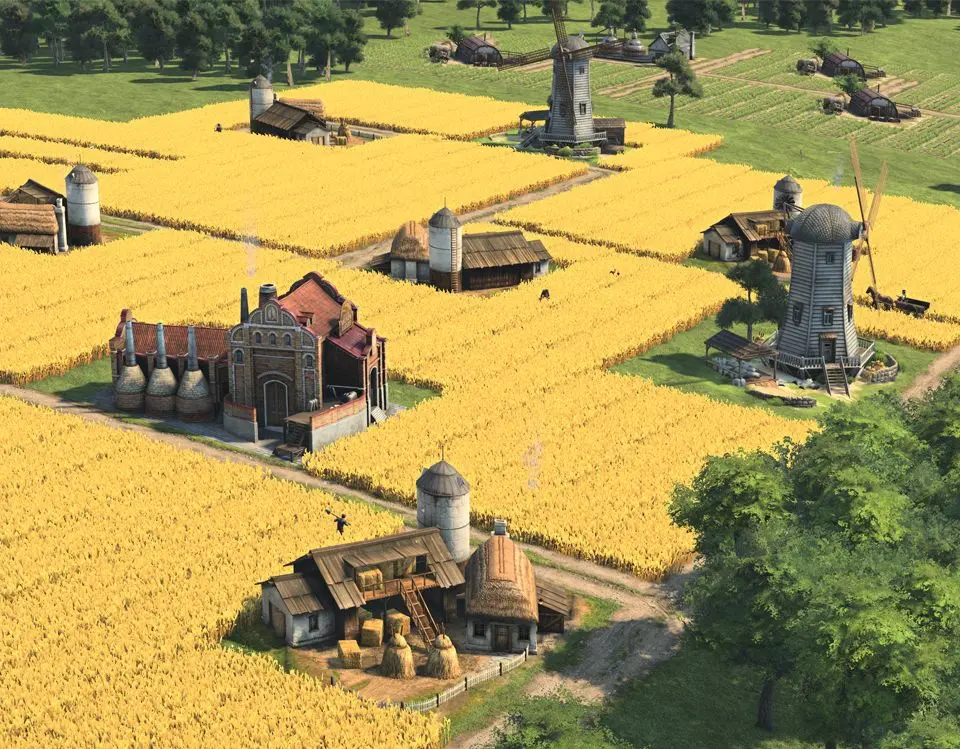
Welcome to the world of Anno 1800, future industrialist! "The Family Business" is your foundational quest, serving as an extensive tutorial that guides you through the essential mechanics of establishing and growing your first settlement. This quest introduces you to resource management, production chains, population needs, and the critical role of key NPCs. Mastering these early steps is crucial for your long-term success in the game.
Quest Giver: Edvard Goodwin
Your journey begins with a letter from your uncle, Edvard Goodwin, who tasks you with rebuilding the family's fortunes after a devastating fire. He will be your primary contact throughout this quest, offering guidance and setting your initial objectives. Pay close attention to his advice, as it often highlights core game mechanics.
Phase 1: Establishing Your First Settlement
The initial objectives focus on creating a self-sufficient village. This phase teaches you the basic production chains and population needs.
- Objective: Build a Warehouse.
- Action: Select the "Logistics" tab in your build menu and place a Warehouse near the coast. This is your central hub for all goods and allows ships to load/unload.
- Tip: Always place your Warehouse strategically to minimize travel time for your production buildings.
- Objective: Build a Lumberjack's Hut.
- Action: Go to the "Production" tab, then "Basic Production," and select the Lumberjack's Hut. Place it within the forest's influence radius.
- Resource: Requires 2 Wood.
- Purpose: Produces Wood, the most fundamental building material.
- Objective: Build a Sawmill.
- Action: From the "Production" tab, "Basic Production," select the Sawmill. Place it near your Lumberjack's Hut or Warehouse.
- Resource: Requires 2 Wood.
- Input: Wood.
- Output: Timber (processed wood).
- Tip: A good ratio is typically one Sawmill for every two Lumberjack's Huts, but adjust based on your island's forest density and early construction needs.
- Objective: Build 5 Farmer Residences.
- Action: Go to the "Residential" tab and select the Farmer Residence. Place them along a road connected to your Warehouse.
- Resource: Requires 1 Timber per residence.
- Purpose: Attracts Farmer population, who provide labor and taxes.
- Tip: Plan your residential areas with roads in mind. Farmers require access to a marketplace (introduced later) and other services.
- Objective: Provide Farmers with Fish.
- Action: From the "Production" tab, "Food," select the Fishery. Place it along the coast in a blue fishing zone.
- Resource: Requires 2 Timber.
- Input: None (harvests directly from the sea).
- Output: Fish.
- Purpose: Fish is the primary food source for Farmers. Without it, their happiness will drop, and they may leave your island.
- Tip: Ensure your Fishery is connected to your Warehouse via a road for efficient transport of goods.
Phase 2: Expanding Your Economy and Population
Once your basic needs are met, Edvard will push you to expand and diversify your economy.
- Objective: Build a Marketplace.
- Action: From the "Public Buildings" tab, select the Marketplace. Place it within range of your Farmer Residences.
- Resource: Requires 5 Timber.
- Purpose: Provides basic services and goods distribution for your population. Essential for Farmer happiness and growth.
- Tip: The Marketplace has a significant influence radius. Try to cover as many residences as possible with one.
- Objective: Attract 150 Farmers.
- Action: Continue building Farmer Residences and ensuring their needs (Fish, Marketplace) are met. Farmers will automatically move in if conditions are favorable.
- Tip: Keep an eye on the "Needs" tab for your Farmer population in the top left corner of the UI. Green indicators mean needs are met; red means there's a shortage.
- Objective: Build a Schnapps Distillery.
- Action: From the "Production" tab, "Food," select the Schnapps Distillery. Place it on fertile land suitable for Potato Farms.
- Resource: Requires 5 Timber, 2 Bricks.
- Input: Potatoes.
- Output: Schnapps.
- Tip: You'll need to build a Potato Farm (also in the "Food" tab) to supply the Distillery. Ensure the farm is on green fertile land. One Potato Farm can typically supply two Schnapps Distilleries.
- Objective: Provide Farmers with Schnapps.
- Action: Ensure your Schnapps Distillery is producing and connected to your Warehouse. Farmers will automatically consume it if available.
- Purpose: Schnapps is a luxury good for Farmers, increasing their happiness and allowing them to upgrade to the next tier.
Phase 3: Advancing to Workers and Diplomacy
Edvard will then introduce you to the concept of population tiers and the importance of trade and diplomacy.
- Objective: Upgrade 10 Farmer Residences to Worker Residences.
- Action: Once Farmers have all their needs met (Fish, Marketplace, Schnapps) and sufficient happiness, a green arrow will appear above their residences. Click this arrow to upgrade them.
- Resource: Requires 2 Timber, 1 Brick per upgrade.
- Purpose: Workers unlock new production chains and buildings, advancing your industrial capabilities.
- Tip: Upgrading consumes a small amount of building materials. Make sure your Timber and Brick production can handle it.
- Objective: Build a Work Clothes Factory.
- Action: From the "Production" tab, "Basic Production," select the Work Clothes Factory.
- Resource: Requires 10 Timber, 5 Bricks.
- Input: Wool.
- Output: Work Clothes.
- Tip: You'll need to build a Sheep Farm (also in "Basic Production") to supply Wool. One Sheep Farm can typically supply one Work Clothes Factory.
- Objective: Provide Workers with Work Clothes.
- Action: Ensure your Work Clothes Factory is producing and connected to your Warehouse. Workers will automatically consume them.
- Purpose: Work Clothes are a primary need for Workers, similar to Fish for Farmers.
- Objective: Meet with Admiral Vicente Silva.
- Action: Edvard will instruct you to sail your starting ship to a specific location on the world map to meet Admiral Silva. Open your world map and right-click on the designated quest marker with your ship selected.
- NPC Role: Admiral Silva represents the Queen and will introduce you to naval mechanics and potentially offer further quests or trade opportunities.
- Tip: Ensure your ship is repaired before setting sail, though early encounters are usually peaceful.
Phase 4: Securing Your Future
The final stages of "The Family Business" focus on securing your island's resources and preparing for future expansion.
- Objective: Build a Clay Pit and a Brick Factory.
- Action: From the "Production" tab, "Basic Production," build a Clay Pit on a clay deposit (reddish-brown patches on the ground) and a Brick Factory nearby.
- Resource: Clay Pit: 5 Timber. Brick Factory: 5 Timber, 5 Bricks.
- Input: Clay (for Brick Factory).
- Output: Bricks.
- Purpose: Bricks are a crucial building material for more advanced structures and worker residences.
- Tip: Clay deposits are finite, so plan your Brick production carefully. You may need to establish trade routes for Bricks later.
- Objective: Build a Shipyard.
- Action: From the "Logistics" tab, select the Shipyard. Place it on the coast.
- Resource: Requires 10 Timber, 10 Bricks.
- Purpose: Allows you to construct new ships, essential for trade, exploration, and defense.
- Tip: Your first ship should likely be a Schooner for efficient early-game trading.
- Objective: Construct a Schooner.
- Action: Click on your newly built Shipyard and select the Schooner from the build menu.
- Resource: Requires 10 Timber, 5 Bricks, 5 Sails (produced at a Sailmaker, which requires Linen).
- Tip: You'll need to establish a Linen production chain (Flax Farm -> Spinning Mill -> Sailmaker) to produce Sails. This is a good opportunity to learn about multi-stage production.
- Objective: Deliver 10 Tons of Timber to Edvard Goodwin.
- Action: Load 10 tons of Timber onto your newly built Schooner (or your starting ship). Sail to Edvard Goodwin's island (marked on the map) and unload the Timber at his Warehouse.
- Purpose: This final delivery signifies your successful establishment and readiness to contribute to the family business.
- Tip: Ensure your ship has enough cargo slots. If not, you may need to make multiple trips or build a larger ship later.
Quest Completion and Rewards
Upon delivering the Timber to Edvard, "The Family Business" quest will conclude. You will receive the following rewards:
- Influence Points: Essential for expanding your empire, purchasing shares, and engaging in diplomacy.
- Money: A significant boost to your early-game treasury.
- Unlocks: Access to new building tiers, production chains, and potentially new NPCs or trade routes.
- Experience: Progress towards your player level, unlocking further game features.
Congratulations! You've successfully navigated the initial challenges of Anno 1800 and laid the groundwork for a thriving industrial empire. The skills learned in "The Family Business" will be invaluable as you expand to new islands, manage complex production chains, and compete with rival companies.
Similar guides you might like



100% Human-Written. AI Fact-Checked. Community Verified. Learn how AntMag verifies content