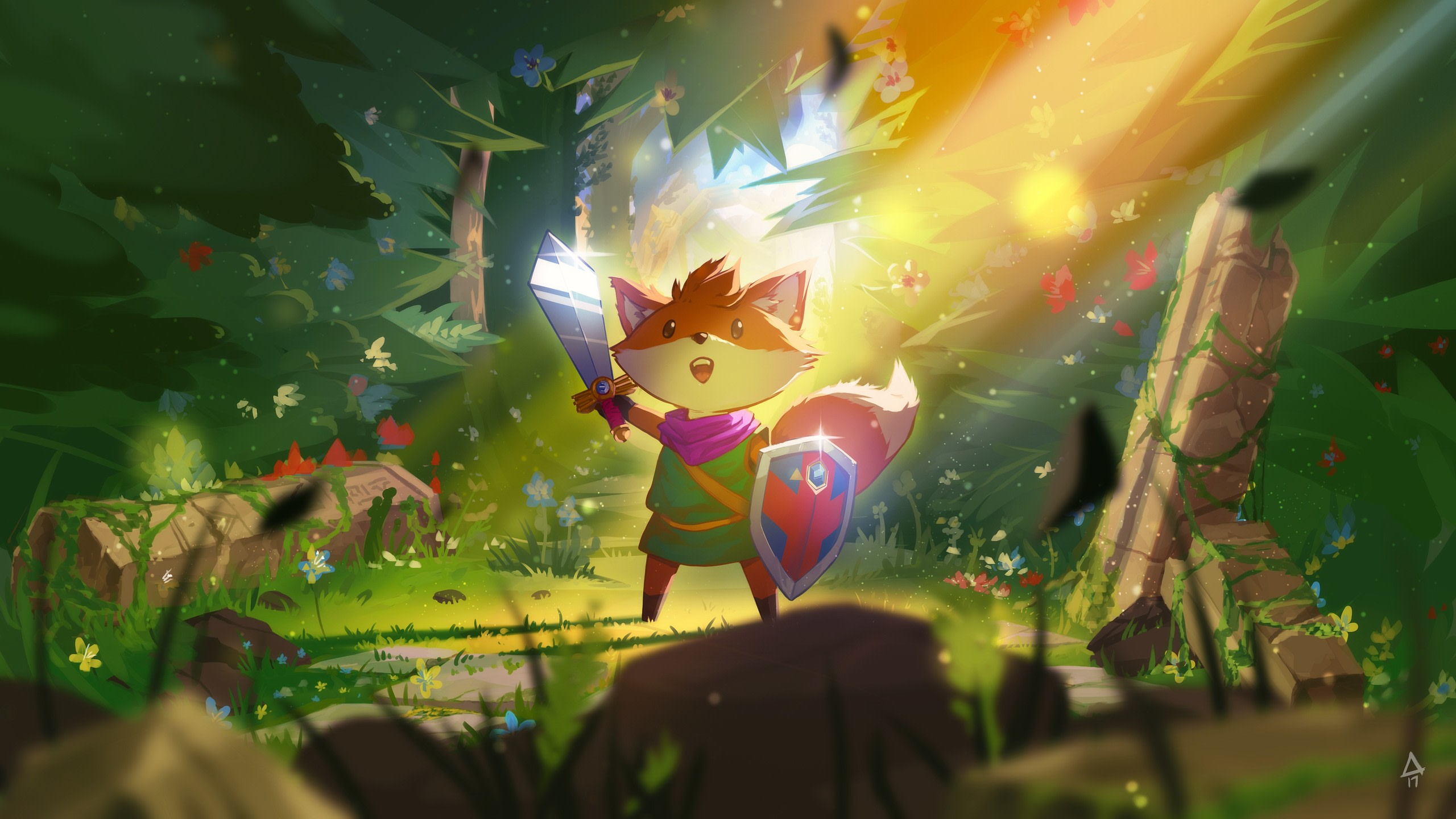
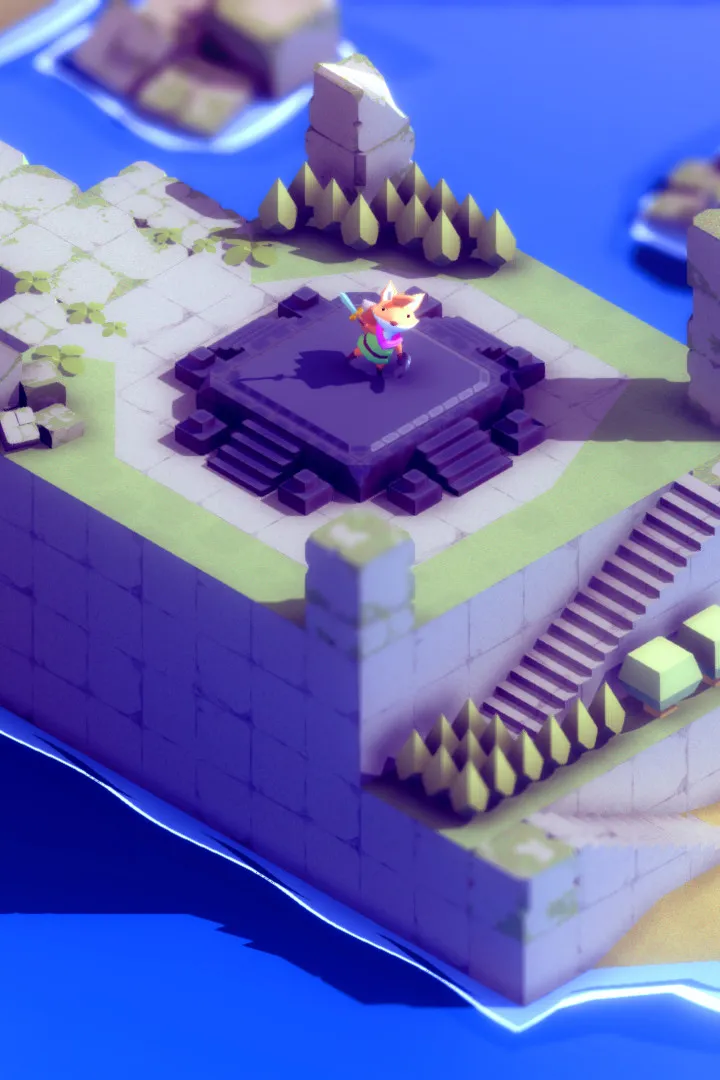
Navigate Tunic's environmental puzzles and cryptic challenges. This guide helps decipher symbols and manipulate the world, utilizing the in-game manual for sol.
Tunic's world is brimming with intricate puzzles, often requiring keen observation and a deep understanding of the in-game instruction manual. This walkthrough will guide you through the most significant environmental challenges, from deciphering cryptic symbols to manipulating the environment itself. Prepare to think outside the box and utilize every tool at your disposal to unlock the secrets of this mysterious land.
The Instruction Manual: Your Greatest Tool
The most crucial element for solving Tunic's puzzles is the in-game instruction manual. Pages are scattered throughout the world, and each one reveals new mechanics, hints, or even direct solutions to puzzles. Pay close attention to the diagrams, the cryptic text (which you'll eventually learn to read), and any visual cues. Many puzzles are simply a matter of understanding a mechanic introduced in a manual page you've found.
Environmental Puzzles and Their Solutions
Many puzzles in Tunic are integrated directly into the environment. These often involve:
- Lever and Switch Puzzles: These are straightforward but can be tricky if you miss a hidden switch or don't understand the sequence. Always scan your surroundings carefully for anything that looks interactable.
- Light and Shadow Puzzles: Certain areas react to light. You might need to find a light source, block it, or position yourself in a specific way to reveal hidden paths or activate mechanisms.
- Pathfinding and Maze Puzzles: Some areas appear as mazes, but often the solution involves a specific route or a hidden passage. The manual might offer clues in the form of maps or directional symbols.
- Object Manipulation: You may need to push blocks, carry items, or use specific abilities to clear paths or trigger events.
Specific Puzzle Examples and Strategies
While a comprehensive list of every single puzzle would be exhaustive, here are some common types and how to approach them:
- The "X" Marks the Spot: You'll encounter many areas with an "X" symbol. Often, this indicates a hidden item or a secret passage. Digging in these spots (using your sword) can reveal treasures or unlock new routes. The manual might show you how to identify these spots more easily.
- The Bell Tower Puzzle (West of the Forest Ruins): This puzzle requires you to ring bells in a specific order. The order is often hinted at by visual cues in the environment or within the manual pages found nearby. Listen carefully to the chimes and observe any patterns.
- The Sealed Doors: Many doors are sealed with magical barriers. These typically require a specific item, a key, or the activation of a series of switches or runes in the surrounding area. Explore thoroughly and consult your manual for any relevant symbols or diagrams.
- The "Hidden Path" Mechanic: As you progress, you'll learn about "hidden paths." These are often invisible until you perform a specific action or are in a particular location. The manual will be your guide to understanding when and where these might appear.
The Importance of Observation and Experimentation
Tunic's puzzles are designed to be challenging but fair. The key to success lies in:
- Thorough Exploration: Never assume an area is empty. Check every nook and cranny for hidden switches, items, or clues.
- Consulting the Manual: This cannot be stressed enough. The manual is your primary resource. If you're stuck, re-read the pages you've found, paying attention to details you might have missed.
- Experimentation: Don't be afraid to try different things. Interact with objects, use your items in various ways, and see what happens. Sometimes, the solution is not immediately obvious.
- Pattern Recognition: Many puzzles rely on recognizing patterns, whether in symbols, sounds, or environmental arrangements.
By combining diligent exploration, careful study of the instruction manual, and a willingness to experiment, you will overcome the many puzzles that Tunic throws your way.
100% Human-Written. AI Fact-Checked. Community Verified. Learn how AntMag verifies content