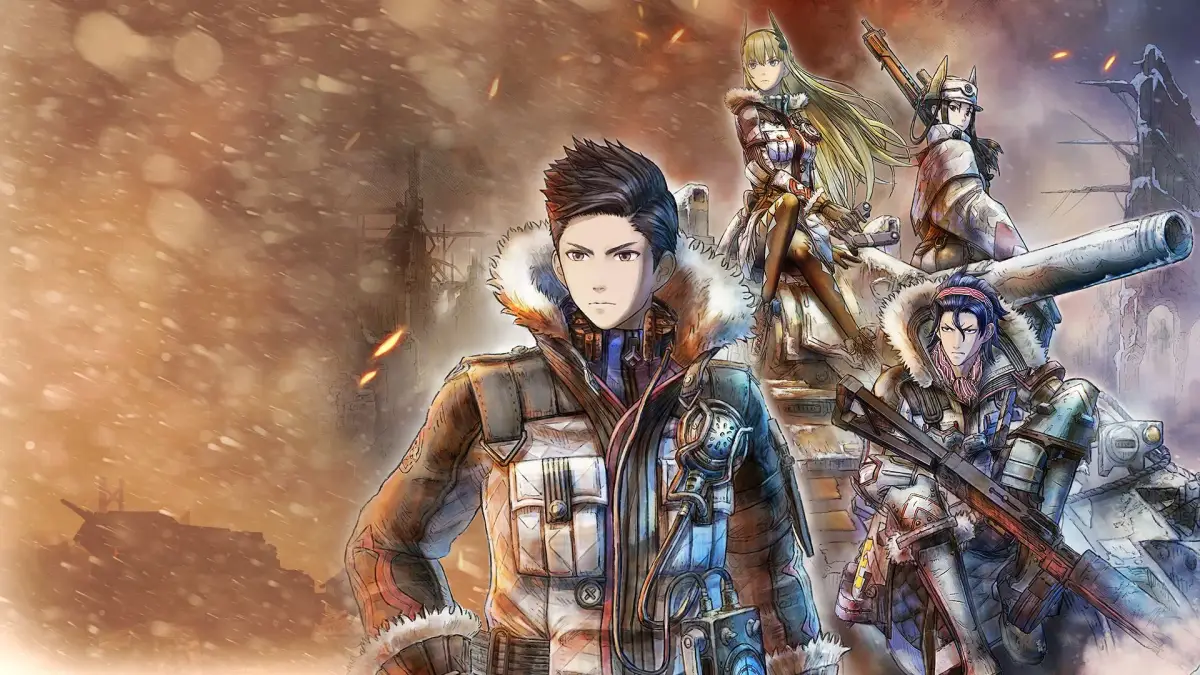
Master line of sight and visibility in Valkyria Chronicles 4. Learn how enemy interception fire, spotting, and unit stats affect gameplay.
Walkthrough
- 1Understanding Proximity Potentials: These potentials can activate when a trigger appears or disappears, like a change in line of sight. They also trigger when units enter or exit a certain proximity range (e.g., 100 range) of another unit. You cannot stack proximity proc chances; a unit must leave and re-enter range to get another chance.
- 2Triggering Interception Fire: Enemies have different interception fire radii for noticing and turning towards your units. Scouts have the largest, while shocktroopers have the smallest. You can provoke enemies to turn and intercept fire by getting close (about 25 range) or by firing a targeted weapon at them. This allows you to reorient them without taking damage.
- 3Using Cover (press the cover button to crouch behind walls or objects) and Line of Sight: Hiding units in grass or breaking line of sight can make them lose enemy sight. Enemies cannot dodge attacks from directly behind them, but can dodge from the front or sides.
- 4Exploiting Reload Animations: Enemies cannot dodge attacks if you start firing while they are in their reload animation. However, they still gain a defense bonus from dodging during this time. Time your attacks towards the end of their reload to prevent dodging and avoid their defensive boost.
- 5Understanding Unit Stats: Units have two sight statistics: interception fire radius (determines the angle they can start turning and firing) and visibility (determines the range they can see enemies). Scouts have the highest interception fire radius and fastest turn speed, while elite snipers have the lowest. Scouts can also spot hidden enemies further away than other classes.
- 6Environmental Effects on Visibility: Environmental conditions like fog/whiteout reduce visibility to 100 range, and night reduces it to 250 range, making surprise attacks easier.
- 7Grenadier and Exhaustion Mechanics: Grenadiers can lower their height by sitting down, reducing their visibility and potentially changing enemy sightlines from yellow (visible) to blue (hidden). This can be used for surprise attacks. Similarly, when infantry units become exhausted and slouch over, their sightlines might change from yellow to blue.
- 8Enemy Aces and Night Battles: Enemy aces can have significantly different dodge rates. Night mode stages offer reduced enemy sight range, making surprise attacks easier. Spot enemies, then move out of sight to attack them.
- 9Safe Firing Positions: Utilize safe spots like trees, flagpoles, lampposts, fences, and terrain variations to fire at enemies while they cannot hit you back. Ensure your targeting reticule is red and focused before firing to confirm shots won't be blocked by terrain.
- 10Sneaking Past Hidden Enemies: Enemies hiding in grass tend to stay hidden and not intercept fire. Once spotted, they are more likely to fire. Classes with lower visibility than scouts (like engineers and shocktroopers) can sneak past hidden enemies that a scout would spot.
- 11Hiding Mechanics: If your unit is within an enemy's visibility radius when trying to hide in grass, they will be instantly spotted. Units hidden in grass can still act as spotters, preventing surprise attacks even if you haven't spotted them.
- 12Explosives and Unsighted Units: Unsighted units receive a significant defensive bonus when hit by explosives. It's generally beneficial to spot an enemy before attacking with explosives, even if you know its location.
- 13Dodging Mechanics: All units in a weapon's line of fire or explosion have a chance to dodge, even if not the intended target.
Tips
- Frequently check enemy stats, especially their dodge rating and weapon range.
- Use the aiming mode to repeatedly trigger interception fire potentials if an enemy is firing on a unit behind cover.
- Provoke enemies to turn, then sneak past them or kill them.
- Use scouts to quickly reorient enemies by running past them and then moving away before they enter interception fire radius.
- Be aware that some terrain that looks passable might block shots; a white reticule indicates blocked shots.
- If a grenadier attack isn't working as expected, check for enemies hidden in grass or potential terrain/sightline bugs.
100% Human-Written. AI Fact-Checked. Community Verified. Learn how AntMag verifies content