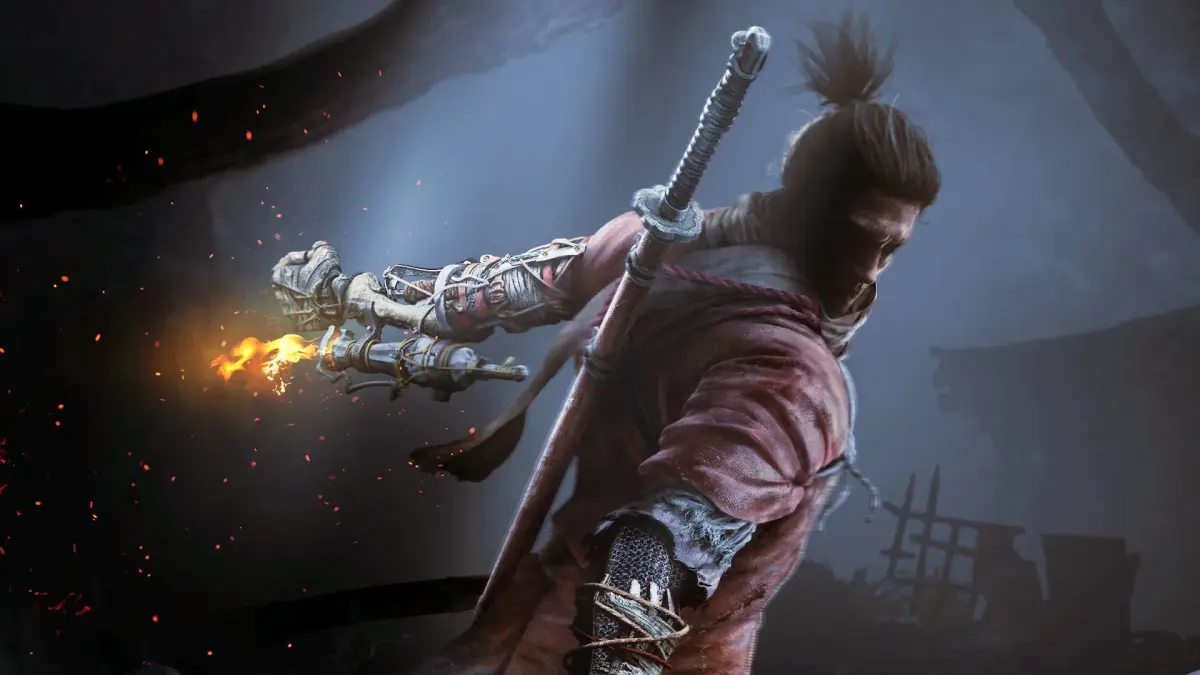
Learn the ins and outs of the Resurrection mechanic in Sekiro: Shadows Die Twice. Understand how it works, its limitations, and how to best utilize it to overcome challenging encounters.
The Resurrection mechanic in Sekiro: Shadows Die Twice allows players to revive themselves once after death, offering a second chance in combat. This feature is crucial for overcoming difficult enemies and bosses.
How Resurrection Works:
- Upon death, Sekiro can choose to resurrect at the spot where he fell.
- This consumes one charge of Resurrection, which replenishes after resting at an Idol or by performing a successful combat resurrection.
- There are limited Resurrection charges available, and they can be increased through game progression.
Limitations and Considerations:
- Resurrection is not always available. Certain enemy attacks or environmental hazards can prevent it.
- Dying with no Resurrection charges available results in permanent death, leading to Dragonrot or the loss of half your unspent skill points and Sen.
- Using Resurrection strategically, especially during boss fights, can turn the tide of battle.
- Be mindful of the Dragonrot mechanic, which can spread to NPCs if you die too frequently without resurrecting.
Tips for Using Resurrection
- Prioritize restoring Resurrection charges by resting at Idols.
- Save your Resurrection for critical moments when you are close to defeating an enemy or need to escape a dangerous situation.
- Learn enemy attack patterns to avoid unnecessary deaths and conserve Resurrection charges.
- Consider the implications of Dragonrot when deciding whether to resurrect or accept defeat.
100% Human-Written. AI Fact-Checked. Community Verified. Learn how AntMag verifies content