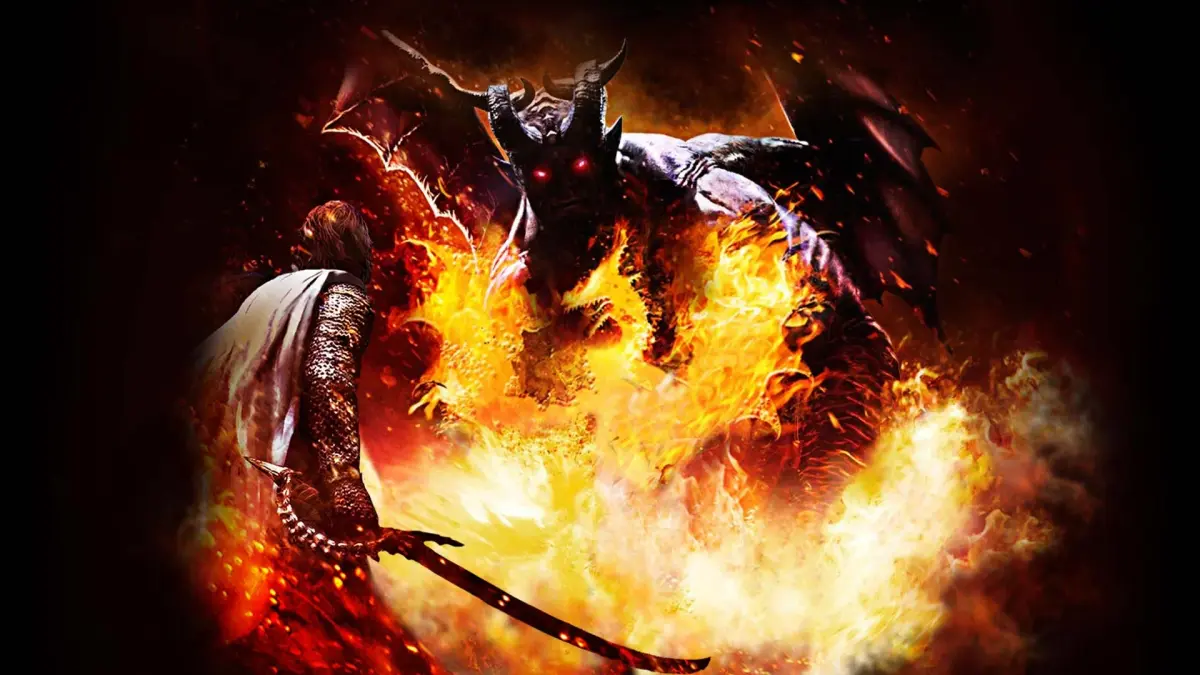
Dragon's Dogma: Dark Arisen is a challenging singleplayer RPG where you create a character, build a party of AI companions called Pawns, and explore the vast land of Gransys. You'll master different vocations, take on quests, and battle fearsome monsters. The core loop involves strategic combat, managing your Pawn's affinity, and delving into dangerous areas like The Everfall Chambers.
This guide will help you navigate the intricacies of Dark Arisen. We cover everything from initial character creation and understanding your starting vocations to preparing for the climactic Final Battle. Whether you're aiming to collect all Steam Achievements or simply want to survive the toughest encounters, we've got you covered.
Appearance: Gameplay Information
Learn how character appearance, including gender, height, and weight, impacts gameplay in Dragon's Dogma: Dark Arisen, affecting stamina, inventory, and access to certain areas.
Appearance: Gameplay Information
Learn how character appearance, including gender, height, and weight, impacts gameplay in Dragon's Dogma: Dark Arisen, affecting stamina, inventory, and access to certain areas.

Pawn Information: Pawns 2
Learn about Main Pawns, Support Pawns, Pawn Limitations, Recruiting Pawns, Pawn Knowledge, and Pawn Inclinations in Dragon's Dogma: Dark Arisen. Master your party!
Pawn Information: Pawns 2
Learn about Main Pawns, Support Pawns, Pawn Limitations, Recruiting Pawns, Pawn Knowledge, and Pawn Inclinations in Dragon's Dogma: Dark Arisen. Master your party!
Pawn Information: Pawns
Learn about Main Pawns and Support Pawns in dragons dogma dark arisen, including Pawn Limitations and how to recruit them. Understand Pawn Inclinations.
Main Pawns and Support Pawns:
There are two types of Pawns: your Main Pawn, which you get to customize (physically and vocationally), who learns as you fight and travel with him, who gains experience, and who can be equipped as you see fit. Then there are support Pawns, who are either randomly generated by the game, or created by other players online. Support Pawns can be equipped, but items you put on Support Pawns are automatically ‘gifted’ to the Pawn’s owner, while items removed from them are simply lost to that Pawn for the duration of your adventures. They do not gain experience, but they can learn about places, quests, and monsters, like a Main Pawn. You must have your Main Pawn to recruit Support Pawns, and if you lose your Main Pawn, touching a Riftstone will automatically bring them back to life.
Pawn Limitations:
Pawns share the same loot, levels, progression, and skills as the Arisen, with one major limitation-they cannot take on Hybrid Vocations. No Assassin, no Mystic Knight, no Magick Archer. The main effect of this is that they make weaker Strength-build characters than the Arisen, and of course cannot score Augments like Autonomy or Bloodlust. Simply put, they’re bound to be a good bit weaker than a well-built Arisen.
Recruiting Pawns:
Pawns can be recruited simply by walking up to them in the game and talking to them in the world (as long as your Main Pawn is with you.) Sometimes, however, this isn’t quite good enough. Say you want a Pawn of a specific level and Vocation? Or perhaps you don’t want a crappy randomly generated Pawn, you’d rather see what your fellow gamer has made? Either way, visiting a Riftstone can suit your needs. In the rift you can search offline or online for Pawns of specifics levels, Vocations, genders, or with certain skill-sets. As a rule, player-made Pawns tend to be better equipped and better built than computer- generated ones.
If a Pawn is significantly stronger than you, it’ll cost your Rift Currency to hire them… anywhere from a few points of it, to millions. Simply put, taking along more powerful Pawns is strongly discouraged because it’s wasteful and honestly unnecessary. You’ll level up fairly quickly while playing the game, making new Pawns obsolete after a few missions, so you should never spend Rift Currency on any Pawn, ever.
An Educated Pawn:
A well-traveled Pawn is a wise Pawn. Sure, it’ll still shout in wonder every time you pass a particularly large tree on Manamia Trail, and it’ll talk about ‘verdant children’ living amongst tree roots… but generally as Pawns explore more, complete more quests, and kill more foes, they’ll learn about those things more. At first, a novice Pawn might question incredulously whether a Succubi is a Harpy or not, or comment on the other-worldly nature of a Hellhound as compared to normal Wolves. As the Pawn becomes more knowledgeable, however, they’ll start commenting on alternative ways to complete quests, and give good strategy advice for fighting foes. Everything else, however, comes from experience. Their knowledge in any subject is rated between zero and three stars.
Pawn Inclinations:
Check the ‘Profile’ section of your ‘Status’ screen and you’ll see that Pawns all have ‘Inclinations’. This is, essentially, their AI. A Pawn is only as good as their performance, and no matter how well-equipped and well-built a Pawn is, it won’t do you any good if it’s more interested in looting treasure than fighting monsters. When you create your Main Pawn, you’ll be asked a series of questions that determine your Pawn’s initial inclinations. These can be later modified somewhat by using the Knowledge chair, or better still, buying various Elixirs from Johnathan-the Pawn who sells goodies in the Encampment in exchange for Rift Currency. Still, it’s better to get it right the first time around. Below is a list of all the inclinations and, in brief, what actions they facilitate:
- Aquisitor: Seeks out and collects hidden items, even during battle. (Lets you die while he snipes your loot.)
- Challenger: Goes after foes wielding ranged weapons or magicks. (Attacks archers and spell-casters.)
- Guardian: Keeps the Arisen from danger above all else. (Sticks nearby and does little useful)
- Medicant: Fights with heed to Health and Stamina. (Is a pussy who avoids danger and uses skills sparingly.)
- Mitigator: Wipes out the least dangerous of any group. (Wipes out annoying trash mobs.)
- Nexus: Makes their fellow pawn’s safety the highest priority. (Wastes time healing Pawns instead of fighting.)
- Pioneer: Travels far and wide to seek out new locations. (Walks further away from the Arisen.)
- Scather: Pursues the strongest foes. (Attacks bigger foes, while ignoring the weaklings.)
- Utilitarian: Focuses on strategies to give his allies advantages. (Tries to hold/incapacitate foes so others can attack easier.)
Appearance: Character Creation 2
Learn how character gender, height, and weight affect gameplay in Dragon's Dogma: Dark Arisen, from armor choices to stamina recovery. Make your Arisen count!
Appearance: Character Creation 2
Learn how character gender, height, and weight affect gameplay in Dragon's Dogma: Dark Arisen, from armor choices to stamina recovery. Make your Arisen count!
Similar guides you might like



100% Human-Written. AI Fact-Checked. Community Verified. Learn how AntMag verifies content