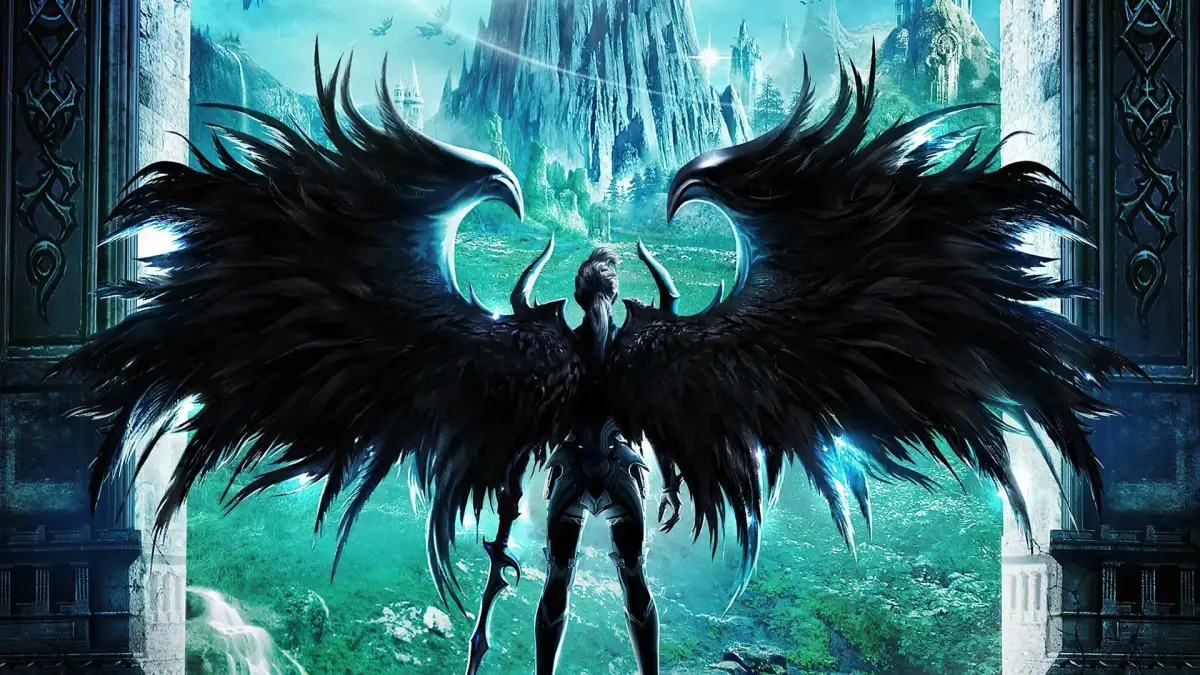
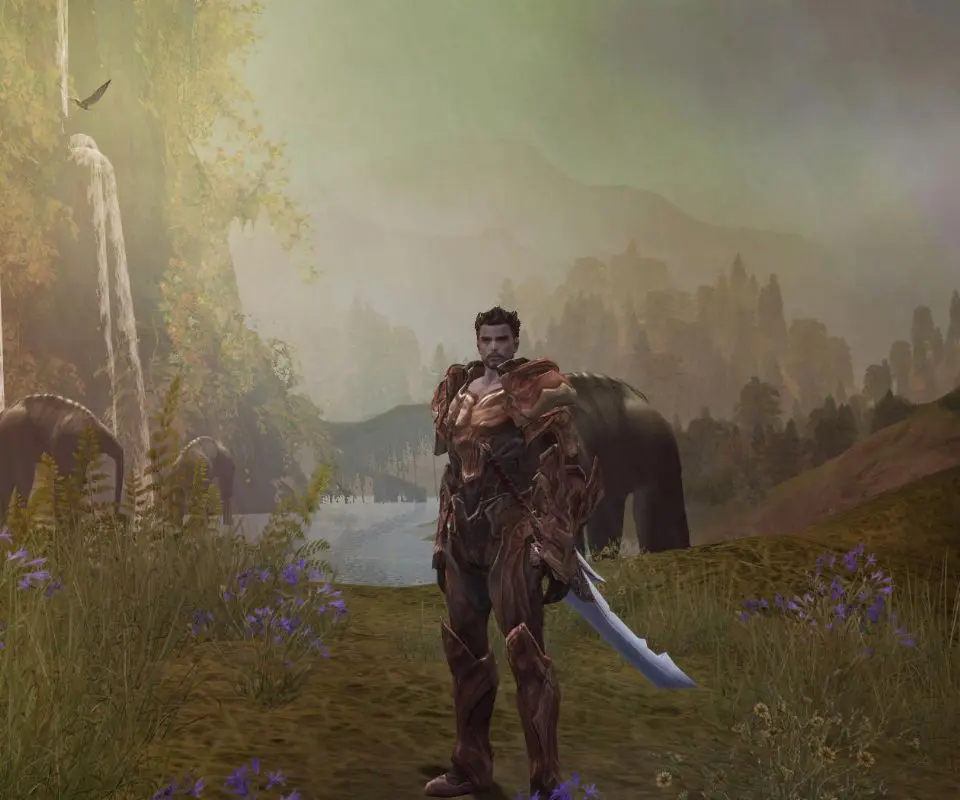
Aion offers deep multiplayer options. Learn why forming a party and cooperating with fellow Daevas is crucial for progression and experiencing the game.
Aion, as a Massively Multiplayer Online game, thrives on interaction. While solo play is certainly an option, the true depth and challenge of Atreia often require cooperation. Engaging with other Daevas is crucial for progression, tackling difficult content, and experiencing the full breadth of the game.
Forming a Party
The most fundamental multiplayer interaction is forming a party. Parties allow up to six players to group together, sharing experience, loot, and working collaboratively on quests and combat encounters.
- Inviting Players: To invite another player to your party, target them and right-click their character portrait or simply type
/invite [PlayerName]in the chat window. They will receive a party invitation that they can accept or decline. - Joining a Party: If you receive an invitation, a pop-up window will appear. Click "Accept" to join the party.
- Party Leader: You who forms the party is the Party Leader. They have the ability to invite/kick members, change loot distribution settings, and initiate instanced content. The leader can be transferred by right-clicking a party member's portrait and selecting "Make Leader."
- Loot Distribution: Discuss loot rules with your party beforehand to avoid conflict. Common settings include:
- Free-for-All: Anyone can pick up any loot. Best for casual farming.
- Round Robin: Loot is distributed sequentially among party members.
- Dice Roll: For rare items, players roll a virtual die, and the highest roll wins.
- Leader's Discretion: The party leader decides who gets what. Use with trusted groups.
- Experience Sharing: Experience gained from killing monsters is automatically shared among party members within a certain level range. The closer in level, the more efficient the sharing.
Group PvE Content: Instances and Dungeons
Many of Aion's most rewarding challenges are designed for groups. These instanced zones offer unique bosses, powerful gear, and significant experience gains.
Early Game Instances (Levels 10-25)
As a new player, these instances are excellent for learning group dynamics and acquiring your first set of blue-grade equipment.
- Nochsana Training Camp (Elyos/Asmodian):
- Location: Entry portals are found in Verteron (Elyos) and Altgard (Asmodian).
- Requirements: Level 10+, 2-6 players.
- Strategy: This instance serves as an introduction to group combat. Focus on coordinating crowd control (sleep, stun) and managing aggro. The final boss, Brigade General Vasharti, requires tanking and consistent damage. Look for drops like the Nochsana Commander's Greatsword or Nochsana Centurion's Tunic.
- Dark Poeta (Elyos/Asmodian):
- Location: Accessible via a rift in Eltnen (Elyos) or Morheim (Asmodian).
- Requirements: Level 25+, 6 players.
- Strategy: A more complex instance with multiple paths and bosses. Communication is key. The main objective is often to defeat Tahabata. Be prepared for environmental hazards and strong elite mobs. Drops include valuable Dark Poeta weapon and armor sets.
Finding a Group
- Looking for Group (LFG) Channel: Type
/3to access the LFG chat channel. Post your class, level, and the instance you wish to run (e.g., "LFG DPS 28 for Dark Poeta"). - Legions (Guilds): Joining an active Legion is the best way to find consistent groups. Legions often organize daily instance runs and provide a supportive community.
- Instance Finder Tool: Access this tool via the menu (default key 'V'). You can queue for specific instances, and the system will automatically match you with other players. This is particularly useful for popular, lower-level instances.
Player-versus-Player (PvP) Options
Aion's core conflict between the Elyos and Asmodians is heavily centered around PvP. Engaging in PvP with others offers unique rewards and a thrilling challenge.
- Abyss Fortresses:
- Location: The Abyss, accessible from Heiron (Elyos) or Beluslan (Asmodian).
- Requirements: Level 25+.
- Strategy: Participate in large-scale battles for control of fortresses. These events occur at scheduled times (check the in-game calendar). Join a large group or Legion raid. Focus on defending your faction's fortresses or assaulting enemy ones. Rewards include Abyss Points (AP) and unique Abyss equipment.
- Rifting:
- Location: Rifts appear periodically in various zones (e.g., Eltnen, Morheim) allowing players to cross into enemy territory.
- Requirements: Level 25+.
- Strategy: Rifting is open-world PvP. Form a small, coordinated group to hunt enemy players, disrupt their questing, or raid their towns. Be aware that you can be hunted in return. Successful kills grant AP.
Trade and Economy
Player interaction extends beyond combat to the economy. Trading with other players is vital for acquiring rare materials, crafting components, and specialized gear.
- Broker: The primary marketplace for buying and selling items. Access the Broker in major cities like Sanctum (Elyos) or Pandaemonium (Asmodian).
- Selling: Right-click an item in your inventory and select "Register on Broker." Set your desired price and duration.
- Buying: Use the search function to find specific items. Compare prices before making a purchase.
- Direct Trade: You can directly trade items and Kinah with other players. Target You and right-click their portrait to select "Trade." This is useful for exchanging items within a party or Legion.
100% Human-Written. AI Fact-Checked. Community Verified. Learn how AntMag verifies content