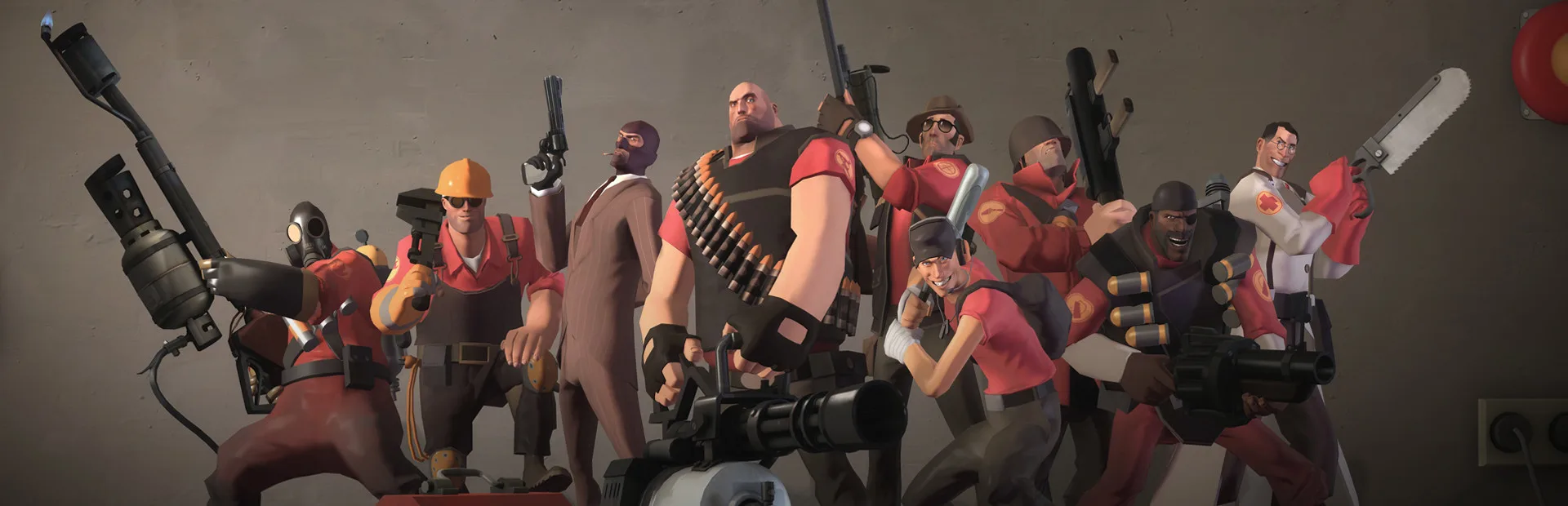

Elevate your Team Fortress 2 gameplay by mastering projectile physics and hitboxes. Understand these core mechanics for superior offensive and defensive play.
Projectile Physics & Hitboxes
Understanding how projectiles behave and how hitboxes function in Team Fortress 2 is paramount to elevating your gameplay from a casual player to a strategic threat. This section will delve into the nuances of these mechanics, offering actionable advice for both offensive and defensive play.
I. Projectile Mechanics: Predicting the Arc of Destruction
Unlike instant-hit weapons (like the Sniper's Rifle or the Scout's Scattergun at close range), many weapons in TF2 fire projectiles that travel through the air. Mastering these requires foresight and an understanding of their unique properties.
A. Bullet vs. Projectile Weapons
- Bullet/Hitscan Weapons: These weapons register hits instantly upon firing, provided your crosshair is on the target. Examples include the Scout's Pistol, the Heavy's Minigun, and the Sniper's Sniper Rifle. For these, aim is king.
- Projectile Weapons: These weapons launch physical objects that travel at a specific speed and often follow an arc. This introduces a "travel time" and requires players to "lead" their shots.
B. Key Projectile Weapon Examples & Strategies
Each projectile weapon has a distinct speed, arc, and explosion radius. Learning these will dramatically improve your accuracy.
- Soldier's Rocket Launcher:
- Speed: Moderate. Rockets are relatively slow, especially at long ranges.
- Arc: Minimal. Rockets fly mostly straight, with a slight drop over very long distances.
- Strategy:
- Leading Shots: For moving targets, aim slightly ahead of their current position. The faster they move, the further you need to lead. Practice this on maps with open areas like Badwater Basin or Upward.
- Splash Damage: Rockets deal significant splash damage. Aim for the ground near an enemy's feet or walls next to them to catch them in the explosion, even if you miss a direct hit. This is especially effective against clustered enemies or those behind cover.
- Rocket Jumping: Utilize the splash damage on yourself (with proper timing and crouching) to gain vertical or horizontal mobility. This is crucial for flanking and escaping.
- Demoman's Grenade Launcher & Stickybomb Launcher:
- Grenade Launcher (Pills):
- Speed: Fast. Pills travel quickly but have a noticeable arc.
- Arc: Significant. Pills drop considerably over distance.
- Strategy:
- Direct Hits: Aim for direct hits for maximum damage. This requires precise leading and arc prediction.
- Bouncing: Pills bounce off surfaces. Use this to hit enemies around corners or in tight spaces. Practice bouncing on maps like 2Fort's intel room.
- Stickybomb Launcher:
- Speed: Slow. Stickies are the slowest projectile.
- Arc: Very significant. Stickies drop heavily and can be "lobbed" over obstacles.
- Strategy:
- Area Denial: Place sticky traps in common chokepoints (e.g., the main entrance on Dustbowl Stage 1) or on objectives to deter pushes.
- Airbursting: Detonate stickies in mid-air near enemies for surprise damage, especially against Scouts or other fast classes. This requires excellent timing.
- Grenade Launcher (Pills):
- Pyro's Flare Gun & Detonator:
- Speed: Moderate. Flares travel at a decent speed.
- Arc: Moderate. Flares have a noticeable arc, similar to the Grenade Launcher.
- Strategy:
- Ignite & Finish: Use your Flamethrower to ignite enemies, then switch to the Flare Gun for critical hits on burning targets.
- Long-Range Harassment: Use flares to chip away at distant enemies or finish off low-health targets. The Detonator allows for a small jump, giving you access to unexpected angles.
II. Hitboxes: Where Your Shots Actually Land
A hitbox is the invisible geometric shape that determines where a player can take damage. Understanding these is crucial for both aiming and avoiding damage.
A. Player Hitboxes
- General Shape: TF2 characters have hitboxes that generally conform to their visible models. However, they are not perfectly precise.
- Headshots: Critical headshot damage is only possible with specific weapons (e.g., Sniper Rifle, Ambassador) and only when hitting the head hitbox. This hitbox is generally smaller and more precise than the body hitbox.
- Crouching & Jumping:
- Crouching: Reduces your vertical hitbox, making you harder to hit, especially for headshots. It also makes you move slower.
- Jumping: While in the air, your hitbox can become somewhat predictable if you jump in a straight line. However, air strafing (moving left/right while jumping) can make your hitbox harder to track.
- Lag Compensation: TF2 uses lag compensation, meaning the server attempts to register hits based on what you saw on your screen, even if there's a slight delay. This can sometimes lead to "phantom hits" or shots that seem to miss but register.
B. Exploiting and Avoiding Hitboxes
- For Attackers:
- Aim for Center Mass: For most weapons, aiming for the torso provides the largest and most consistent hitbox to hit.
- Predict Movement: Anticipate where an enemy will move to place your projectile in their path.
- Flanking: Attacking from unexpected angles reduces the enemy's ability to react and dodge your projectiles. Consider routes on maps like Gravel Pit that allow for side attacks.
- For Defenders/Evaders:
- A-D Strafing: Constantly moving left and right (A-D strafing) makes your hitbox a much harder target to track, especially for projectile classes.
- Vary Your Movement: Don't move in predictable patterns. Mix in jumps, crouches, and sudden changes in direction.
- Utilize Cover: Use environmental elements like walls, crates, and corners to break line of sight and force enemies to reposition or miss their shots. The numerous corners on Viaduct are perfect for this.
- Crouch-Jumping: A quick crouch followed by a jump can momentarily alter your hitbox in an unpredictable way, potentially dodging incoming projectiles.
By internalizing these principles of projectile physics and hitbox interaction, you'll gain a significant edge in Team Fortress 2, turning near misses into devastating direct hits and transforming yourself into a much more elusive target.
100% Human-Written. AI Fact-Checked. Community Verified. Learn how AntMag verifies content