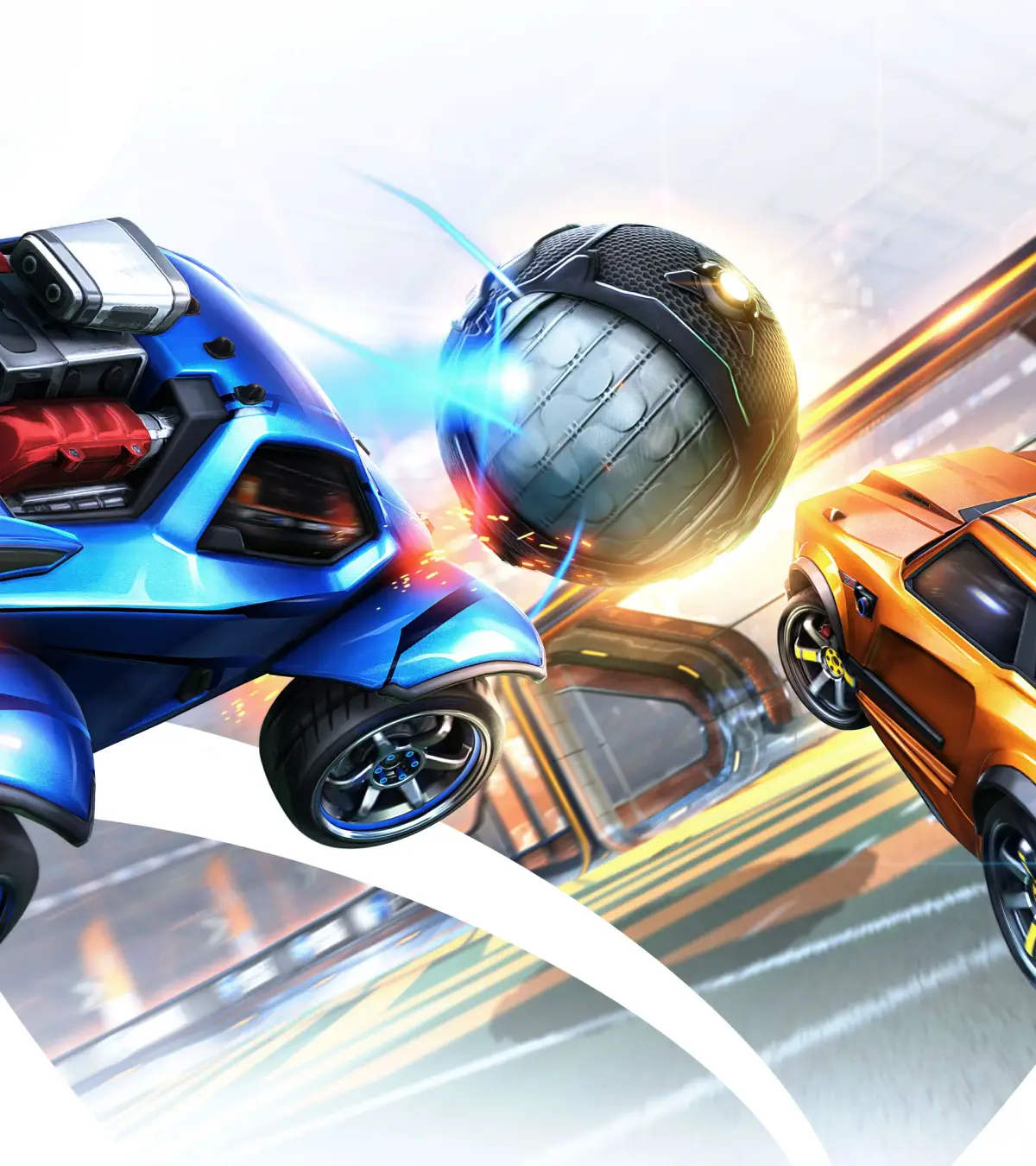
Learn how to master pinch shots and redirects in Rocket League. This guide covers essential techniques and strategies to elevate your aerial game and scoring potential.
This guide focuses on the fundamental mechanics of pinch shots and redirects in Rocket League. These advanced techniques are crucial for scoring goals and controlling the ball in aerial situations.
Pinch Shots
A pinch shot occurs when the ball is struck by two surfaces simultaneously, typically the ball between a player's car and a wall, or the ball between two cars. This results in a sudden, powerful acceleration of the ball.
Execution:
- Position your car to intercept the ball as it approaches a wall or corner.
- Time your boost and car's impact to hit the ball precisely as it makes contact with the surface.
- The angle of impact is key; a direct hit often yields the most powerful pinch.
Redirects
Redirects involve altering the trajectory of a ball that is already in motion, often in the air, to change its direction towards the goal. This requires precise aerial control and anticipation.
Execution:
- Anticipate the ball's path, especially after a pass or a deflection.
- Use aerial controls to position your car to meet the ball at the desired angle.
- A slight touch can be enough to redirect the ball effectively, so avoid overcommitting.
- Focus on making contact with the ball using the nose or side of your car for maximum control.
Tips for Improvement:
- Practice Free Play: Dedicate time in Free Play to practice hitting the ball off walls and executing aerial redirects.
- Watch Replays: Analyze your own gameplay and professional matches to understand the timing and positioning involved in successful pinches and redirects.
- Custom Training Packs: Utilize custom training packs specifically designed for aerial car control and redirect shots.
- Understand Car Hitboxes: Different car hitboxes can affect how you make contact with the ball, influencing the outcome of pinches and redirects.
100% Human-Written. AI Fact-Checked. Community Verified. Learn how AntMag verifies content