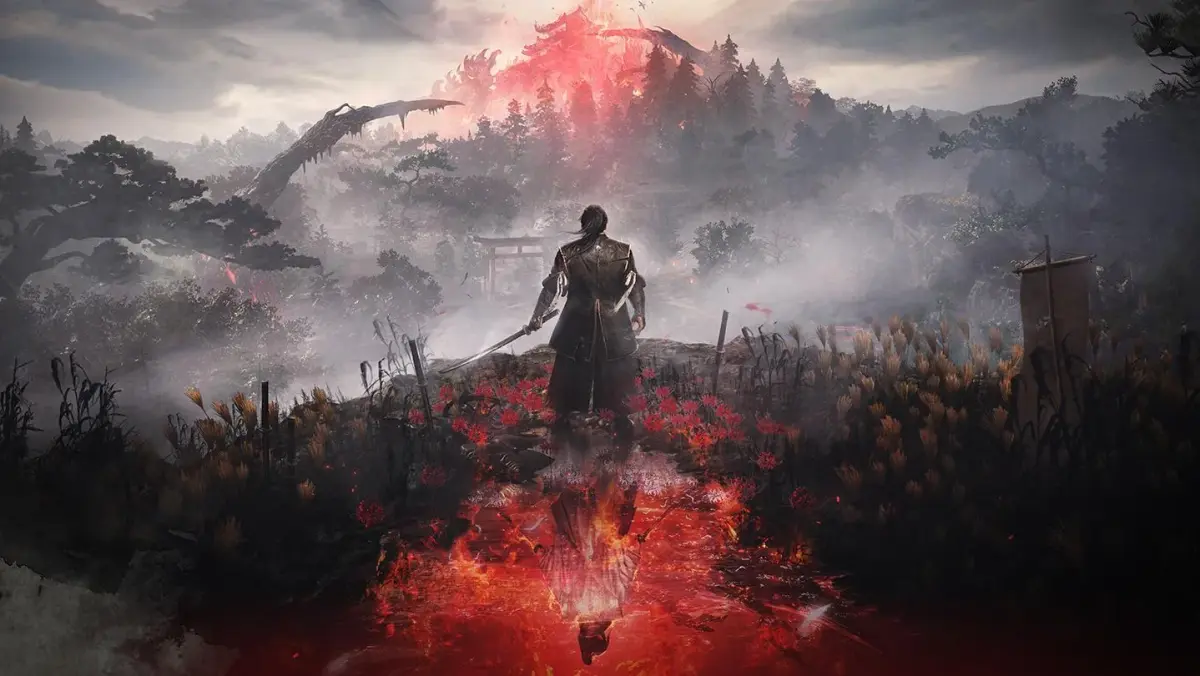
Learn about Mototada's unwavering loyalty, Ii Naomasa's fierce 'Ii's Reds', and Tokugawa Ieyasu's strategic genius in Nioh 3.
Mototada
Mototada was a loyal retainer who fought alongside Tokugawa Ieyasu. He famously refused rewards and official recognition from both Ieyasu and Toyotomi Hideyoshi, demonstrating an almost impractical level of loyalty. When Ieyasu left to battle Uesugi Kagekatsu, Mototada was left to defend Fushimi Castle with a small force. He anticipated an attack from Ishida's troops and prepared for a sacrificial defense. Despite being heavily outnumbered, Mototada and his men held the castle for twelve days, disrupting Ishida's strategic plans.
Ii Naomasa
Ii Naomasa was a general under Tokugawa Ieyasu and one of the Four Celestial Kings. Known for his skill in both war and the arts, he entered Ieyasu's service at the Battle of Nagashino. Despite a gentle demeanor and youthful looks, his body was covered in battle scars. Naomasa reformed a unit of Takeda retainers into "Ii's Reds," distinguished by their blood-red armor, and led them personally. He wore a horned helmet and fought with such ferocity that he earned the nickname "Red Oni." Naomasa's father was executed when he was two, and he was raised by Ii Naotora, who rescued the Ii clan and earned the trust of her retainers. After Naotora's death, Naomasa inherited her Guardian Spirit, a Fire Tiger. He was also known for his good looks and considerate nature, impressing Toyotomi Hideyoshi's mother so much that she requested him as her bodyguard.
Tokugawa Ieyasu
Tokugawa Ieyasu was the daimyo of the "Eight Provinces" and a leader among Toyotomi's advisors. In 1596, he became Inner Minister, known as "Naifu." A survivor of many battles, he was called the "Greatest Archer on the Eastern Way" and the "Tanuki" for his skill and cunning. He served the Imagawa clan as a hostage, allied with Oda Nobunaga, and overcame numerous difficulties. After serving Toyotomi Hideyoshi, he was close to unifying Japan. Ieyasu's early life, marked by his mother's death and his own time as a hostage, fueled his determination for nationwide peace, even if it meant sacrificing retainers, his wife, and children. The burden of these sacrifices convinced William of his genuine beliefs.
- Mototada's refusal of rewards highlights a key aspect of samurai loyalty.
- Ii Naomasa's "Ii's Reds" and "Red Oni" moniker showcase his fearsome battlefield presence.
- Tokugawa Ieyasu's nickname "Tanuki" hints at his cunning and strategic mind.
- Observe how Ieyasu's past hardships shape his ultimate goal of unifying Japan.
100% Human-Written. AI Fact-Checked. Community Verified. Learn how AntMag verifies content