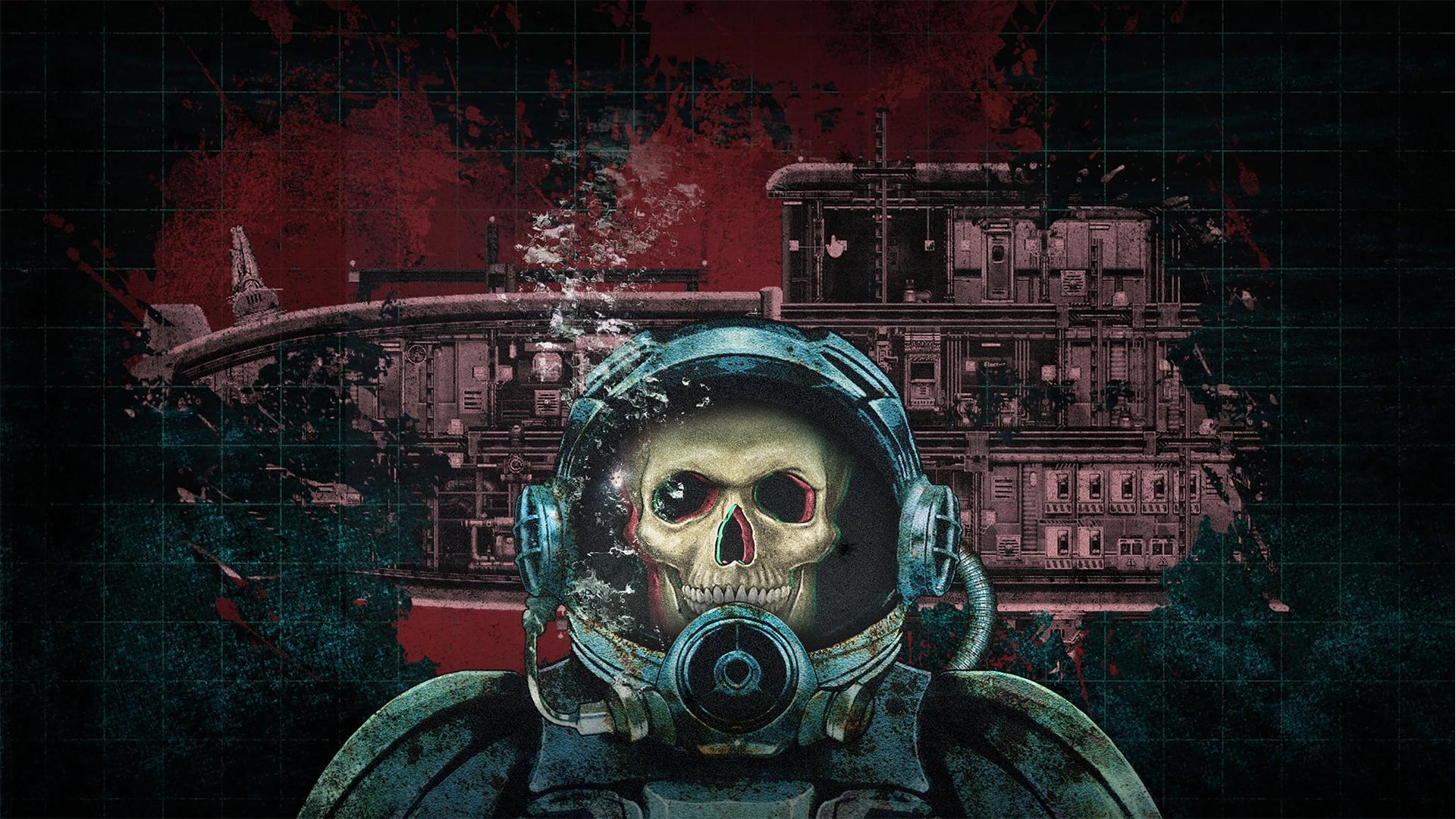

Master the treacherous ocean floor in Barotrauma. Understand the risks of navigating around perilous Ice Spires and other hazardous terrain while managing your.
Europa's icy crust and submerged geological formations present a unique set of environmental hazards that can severely impede submarine operations and endanger the crew. Among the most visually striking and dangerous are the massive Ice Spires. These colossal ice structures can rise from the seabed or hang from the ice ceiling, creating treacherous obstacles for navigation. Colliding with an Ice Spire can inflict significant damage to the submarine's hull and external components, potentially leading to breaches or the destruction of vital systems like sonar or periscopes. The impact force is considerable, and even a glancing blow can be detrimental.
Navigating around these spires requires careful piloting and effective use of the submarine's sonar systems. The sonar ping can help reveal the extent and proximity of these icy behemoths, allowing the pilot to plot a safe course. However, sonar can be disrupted by certain environmental conditions or enemy interference, making visual navigation and crew communication even more critical. The Dugong class submarine, for example, with its more maneuverable des, might have a slight advantage in tight passages compared to larger vessels like the Aspida, but caution is always advised.
Beyond Ice Spires, other terrain features can pose risks. Submerged rocks, sharp coral formations, and unstable seabed areas can all cause hull damage if the submarine runs aground or collides with them. These hazards are often less visually obvious than Ice Spires and can be particularly dangerous in low-visibility conditions. The game mechanics simulate the physical properties of these objects, meaning that speed and angle of impact play a significant role in the severity of the damage sustained. A slow, controlled approach is always preferable when navigating through complex or hazardous terrain.
Crew members performing external repairs or tasks near these formations must also be wary. Falling debris from unstable structures or sudden shifts in the seabed can crush or trap unwary divers. The use of the Diving Suit is mandatory for any EVA, but it offers limited protection against the crushing force of large geological objects. The importance of a skilled pilot and a vigilant crew cannot be overstated when dealing with these environmental dangers. Effective communication between the pilot, sonar operator, and the rest of the crew is essential for avoiding collisions and ensuring the safe passage of the submarine through Europa's perilous underwater landscapes. oring these terrain dangers can quickly turn a routine mission into a desperate fight for survival.
100% Human-Written. AI Fact-Checked. Community Verified. Learn how AntMag verifies content