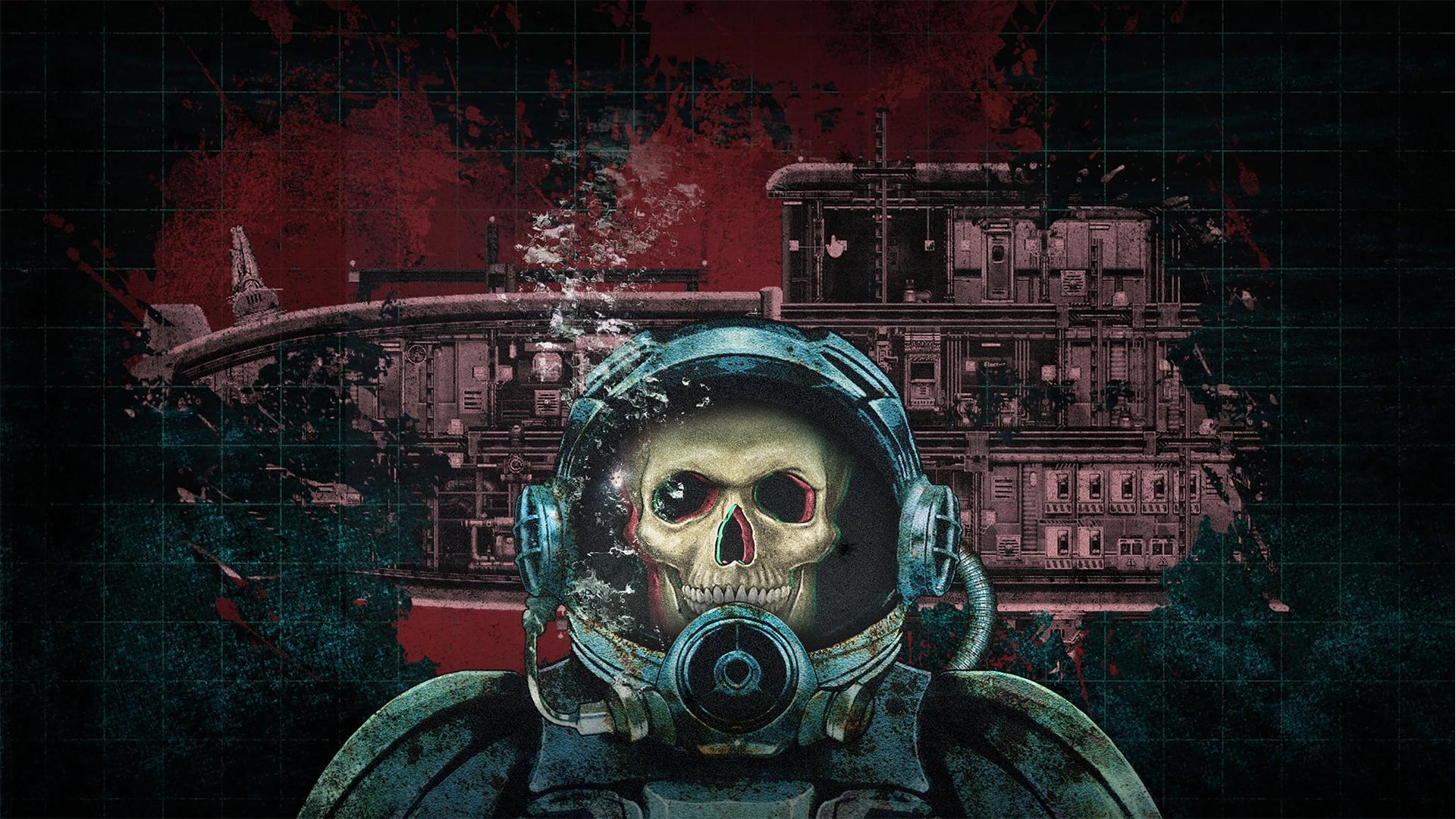

Master Barotrauma's Engineer class by optimizing reactor management, power distribution, and electrical system repairs for submarine survival.
The Engineer is the lifeblood of the submarine's operational capabilities, responsible for the intricate management of power systems, reactor control, and the overall efficiency of the vessel's machinery. In the unforgiving environment of Europa, where every watt of power can mean the difference between survival and a swift demise, the Engineer's role is absolutely critical. They must possess a deep understanding of the submarine's electrical grid, ensuring that power is distributed effectively to essential systems such as engines, shields, weapons, and life support. Without a competent Engineer, the submarine is little more than a metal coffin adrift in a hostile alien sea, vulnerable to every threat that lurks in the darkness. Their expertise is not just about keeping the lights on; it's about optimizing performance under extreme duress.
The Engineer's duties extend beyond mere maintenance; they are the architects of the submarine's power flow, constantly balancing demand with supply. This involves not only managing the submarine's primary power source, the reactor, but also understanding how various components draw power and how to mitigate power surges or shortages. A skilled Engineer can anticipate needs, rerouting power proactively to bolster defenses before an attack or to boost engine output for a hasty retreat. Their knowledge of electrical circuits and components is vital for diagnosing and repairing faults, ensuring that critical systems remain online even when under heavy fire or experiencing environmental malfunctions. The success of any mission in Barotrauma is intrinsically linked to the Engineer's ability to keep the submarine's complex machinery humming.
Reactor Management and Fueling
The heart of the submarine's power is its reactor. The Engineer is solely responsible for its operation, including fueling it with Uranium, and monitoring its temperature and output. Overheating the reactor can lead to catastrophic meltdowns, while insufficient fuel will cripple the submarine's systems. The Engineer must carefully manage the reactor's fission rate to meet the crew's power demands without risking an explosion. This often involves a delicate balancing act, especially during combat when power consumption spikes dramatically. For instance, during an encounter with a large sea creature, the Engineer might need to increase fission to power the railgun and shields, while simultaneously ensuring the reactor doesn't exceed its safe operating temperature, perhaps by activating the emergency coolant system.
Power Distribution and Load Balancing
Efficient power distribution is paramount. The Engineer must constantly monitor the submarine's power grid, ensuring that essential systems receive adequate power. This involves using the power management interface to allocate power to engines, weapons, sonar, life support, and other critical components. During high-demand situations, such as a hull breach requiring extensive repairs and active defenses, the Engineer may need to temporarily shut down less critical systems, like the fabricator or research stations, to conserve power. Understanding the power draw of each system is crucial for making these difficult decisions. For example, if the submarine is under attack by multiple creatures, the Engineer might prioritize full power to the forward turrets and shields, even if it means the lights dim significantly in the crew quarters.
Electrical System Maintenance and Repair
The submarine's electrical systems are complex and prone to malfunctions, especially in the harsh underwater environment. The Engineer is tasked with identifying and repairing faulty wiring, damaged circuits, and malfunctioning components. This includes using tools like the welding tool to repair damaged conduits and the screwdriver to fix broken devices. A common issue is electrical fires, which can spread rapidly and disable entire sections of the submarine. The Engineer must be prepared to extinguish these fires and repair the affected systems quickly to prevent mission failure. For instance, if a plasma cutter short-circuits, the Engineer must immediately isolate the affected circuit and repair the damage before it causes a cascade failure throughout the ship.
Optimizing Submarine Performance
Beyond basic operation, a skilled Engineer can optimize the submarine's performance. This might involve fine-tuning engine settings for better speed or fuel efficiency, or ensuring that the sonar system is operating at peak performance for maximum detection range. They can also identify potential bottlenecks in the power grid and suggest upgrades or modifications to improve overall efficiency. Understanding how different components interact is key. For example, the Engineer might discover that by slightly underclocking the ballast pumps, they can free up enough power to run the sonar at a higher frequency, allowing for earlier detection of incoming threats like a swarm of Spinefish.
100% Human-Written. AI Fact-Checked. Community Verified. Learn how AntMag verifies content