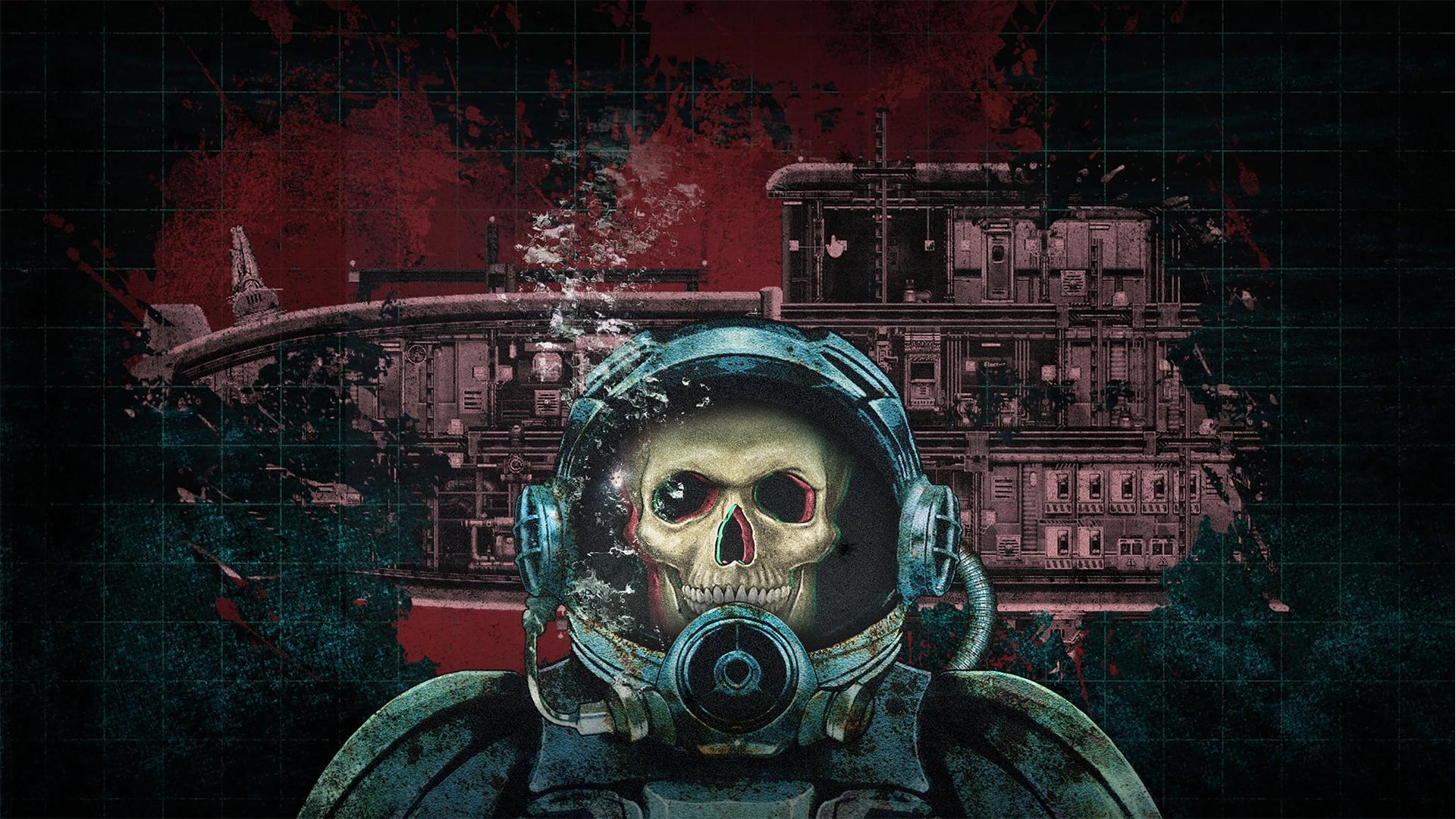

Build your dream submersible in Barotrauma. This guide details using the editor to design, equip, and prepare custom submarines for deep-sea missions.
The submarine editor in Barotrauma is a powerful tool that allows players to des, build, and customize their own vessels from the ground up. Whether you aim to create a nimble scout submarine, a heavily armed warship, or a specialized research vessel, the editor provides the means to bring your vision to life. Understanding its core mechanics is essential for crafting functional and effective submarines.
The editor operates on a grid-based system, allowing you to place various components, walls, and structures to form the hull of your submarine. Key components include the hull itself, which defines the submarine's shape and integrity; internal walls, which divide the interior space; and various functional modules such as reactors, ballast tanks, engines, and weapon systems. Each component has specific placement rules and connections. For example, a reactor must be connected to power conduits and a cooling system to prevent overheating, which can lead to catastrophic explosions. Similarly, engines need to be linked to the control room and potentially to ballast tanks for depth control.
When designing, consider the intended role of your submarine. A submarine designed for deep-sea exploration, like a custom version of the Aspidochelon, might prioritize advanced sonar and robust hull plating, while a submarine focused on combat, such as a modified Humpback, would require ample weapon hardpoints, strong armor, and efficient power generation to sustain continuous fire. The placement of critical systems is paramount. The control room, containing the helm and navigation systems, should be well-protected. Life support systems, including oxygen generators and CO2 scrubbers, need to be accessible and functional throughout the vessel. Consider the flow of crew members; ensure there are clear pathways to important stations like the engine room, medical bay, and weapon turrets.
Wiring is a crucial aspect of submarine functionality. Using the wiring tool, you can connect components to power sources, control panels, and each other. For instance, you'll need to wire the periscope to the command console, the sonar to the navigation terminal, and the lights to switches. Incorrect wiring can render systems inoperable or cause dangerous short circuits. Pay close attention to power distribution; overloading a single circuit can cause a blackout, leaving your submarine vulnerable. Experimentation is key. Don't be afraid to iterate on your dess, testing different layouts and component combinations. Many successful submarine dess, like the Dorado, are the result of numerous revisions. Always test your creations thoroughly in the game to identify any structural weaknesses, wiring errors, or functional flaws before embarking on a perilous campaign.
100% Human-Written. AI Fact-Checked. Community Verified. Learn how AntMag verifies content