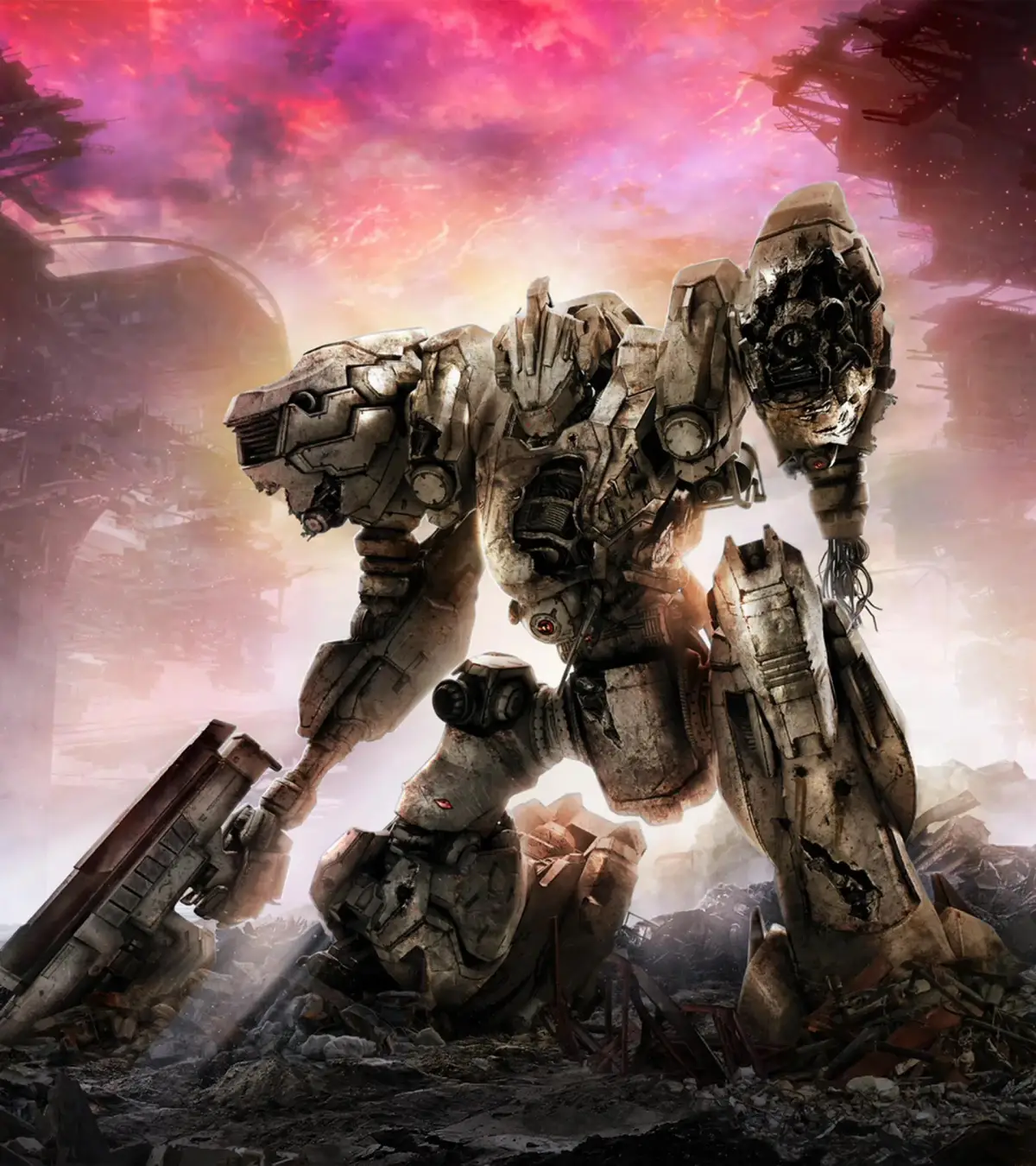
Understand Armored Core VI's mission structure: learn about mission types, progression, branching paths, and the crucial Hangar hub for AC customization.
Armored Core VI: Fires of Rubicon features a mission-based structure where players undertake various objectives across diverse environments on the planet Rubicon and its surrounding space. Each mission presents a unique set of challenges, from intense combat encounters and boss fights to reconnaissance and objective retrieval. The game progresses through a series of chapters, with each chapter containing several distinct missions that advance the overarching narrative and introduce new gameplay mechanics or enemy types.
The flow of the game is largely dictated by the player's progression through these missions. After completing a mission, players return to the Hangar, where they can repair their AC, purchase new parts, customize their loadout, and accept the next available assignment. This loop of mission deployment, combat, and post-mission customization is central to the Armored Core experience. The game often presents branching mission paths, particularly in later chapters, allowing players to make choices that can lead to different outcomes and endings. This adds a layer of replayability and encourages players to explore alternative routes and narrative threads.
Mission Types and Objectives
Missions in Armored Core VI can vary significantly in their objectives and gameplay focus:
- Combat Missions: The most common type, focusing on eliminating enemy forces, destroying key targets, or defending specific locations.
- Reconnaissance Missions: These missions often involve stealth, exploration, and data gathering, sometimes requiring players to avoid direct confrontation or to locate specific intel.
- Assault Missions: Large-scale offensive operations where players lead the charge against heavily fortified enemy positions.
- Defense Missions: Protecting a specific asset or location from waves of incoming enemies.
- Boss Fights: Many missions culminate in challenging encounters against powerful ACs, mechs, or colossal war machines.
- Data Log Recovery: Some missions require players to locate and interact with specific AC wrecks to retrieve valuable data logs, which contribute to lore and can unlock emblems.
Progression and Branching Paths
The game is divided into chapters, with each chapter building upon the previous one. As players complete missions, they unlock new ones. Crucially, certain missions will present a choice between two distinct paths. These choices often have significant narrative implications and can lead to different encounters, allies, and ultimately, different endings. For example, a choice might involve siding with one faction over another, leading to a completely different set of missions and story developments.
Returning to the Hangar
The Hangar serves as your base of operations between missions. Here, you can:
- Repair AC: Restore your AC to full health.
- AC Shop: Purchase new parts, weapons, and cosmetic items using COAM earned from missions.
- AC Customization: Modify your AC's loadout, tune its performance, and apply paint schemes and decals.
- Mission Briefing: Receive details about the next available mission and review mission objectives.
- Training: Access training modules to practice combat mechanics and learn about new parts.
The structure encourages players to experiment with different builds and strategies to overcome the varied challenges presented by each mission, ensuring a dynamic and engaging gameplay loop.
100% Human-Written. AI Fact-Checked. Community Verified. Learn how AntMag verifies content