
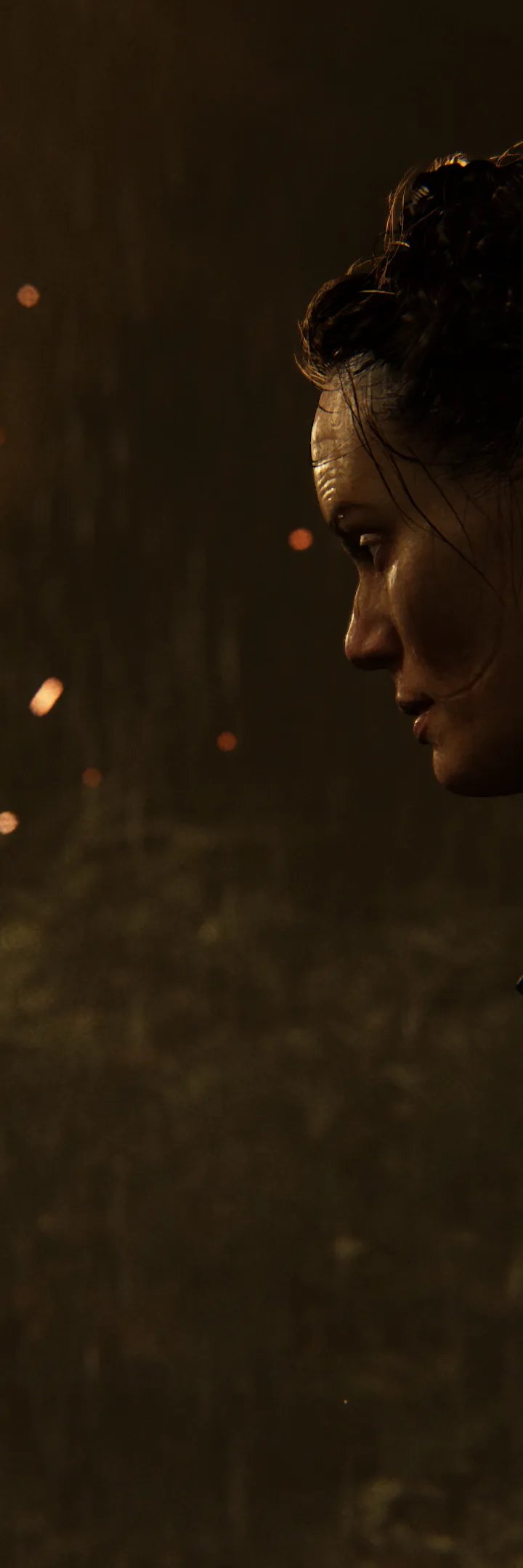
Survive The Last of Us Part II's dangerous environments. Learn to navigate environmental hazards like traps and infected nests to stay alive.
Survival in the world of The Last of Us Part II is as much about understanding your environment as it is about combat. Environmental hazards can be as deadly as any infected or human enemy, so knowing how to avoid or use them is crucial for staying alive.
Types of Environmental Hazards
The world of The Last of Us Part II is fraught with dangers that are not directly caused by enemies. These hazards can impede your progress, drain your resources, or lead to instant death if not handled carefully. Understanding each type is key to navigating the game's challenging environments.
1. Flooded Areas and Water
Many sections of the game, particularly in Seattle, are heavily flooded. While swimming can be a way to bypass certain obstacles or reach hidden areas, it comes with significant risks:
- Slowed Movement: You move much slower in water, making you an easy target for ranged attacks and difficult to evade melee threats.
- Vulnerability: While swimming, you cannot use most weapons effectively, and your ability to dodge is severely limited.
- Hidden Dangers: Infected can lurk beneath the surface, and submerged obstacles can impede your progress or even drown you if you get stuck.
- Strategy: Always scan the water before entering. Use Listen Mode to detect submerged enemies. Move quickly through open water and stick to cover when possible.
2. Traps and Explosives
Both human factions and the environment itself can present explosive hazards:
- Tripwire Traps: WLF and Seraphites may set up tripwire explosives. These are often placed in choke points or doorways. Listen for the tell-tale click or look for the thin wire.
- Booby-Trapped Chests/Doors: Occasionally, containers or doors might be rigged with explosives. Approach with caution and try to disarm or detonate them from a safe distance.
- Environmental Explosions: Gas canisters or fuel tanks can be shot to create explosions, which can be used to your advantage against enemies but also pose a risk to you if you are too close.
- Strategy: Always be observant. Use your Listen Mode to detect enemy placements. Shoot explosive barrels from a distance to clear out enemies.
3. Hazardous Materials and Chemical Spills
Certain areas may contain toxic substances or chemical spills:
- Gas Leaks: Areas with gas leaks can be ited, causing an explosion.
- Contaminated Zones: While less common, some areas might have lingering toxins that can damage you over time.
- Strategy: Avoid iting gas leaks unless you are intentionally trying to create an explosion. If you encounter contaminated zones, move through them as quickly as possible.
4. Falling and Environmental Collapses
The dilapidated state of the world means that structures can be unstable:
- Unstable Platforms: Some walkways or structures may collapse if you stand on them for too long or if they are damaged.
- Falls: Falling from significant heights will result in instant death.
- Strategy: Be mindful of your footing. Test platforms before committing your full weight. Look for alternative routes if a path seems too precarious.
5. Extreme Weather Conditions
While not always a direct hazard, weather can significantly impact gameplay:
- Rain and Fog: Can reduce visibility, making it harder to spot enemies or navigate.
- Strategy: Use these conditions to your advantage for stealth, but be aware that enemies can also use them to their benefit.
using Hazards to Your Advantage
Environmental hazards aren't always a threat; they can also be powerful tools:
- Luring Enemies: You can lure enemies into traps, flooded areas, or near explosive barrels.
- Creating Diversions: Shooting a gas canister can create a loud explosion, drawing enemies away from your intended path.
By understanding and respecting these environmental dangers, you significantly increase your chances of survival in the brutal world of The Last of Us Part II.
100% Human-Written. AI Fact-Checked. Community Verified. Learn how AntMag verifies content