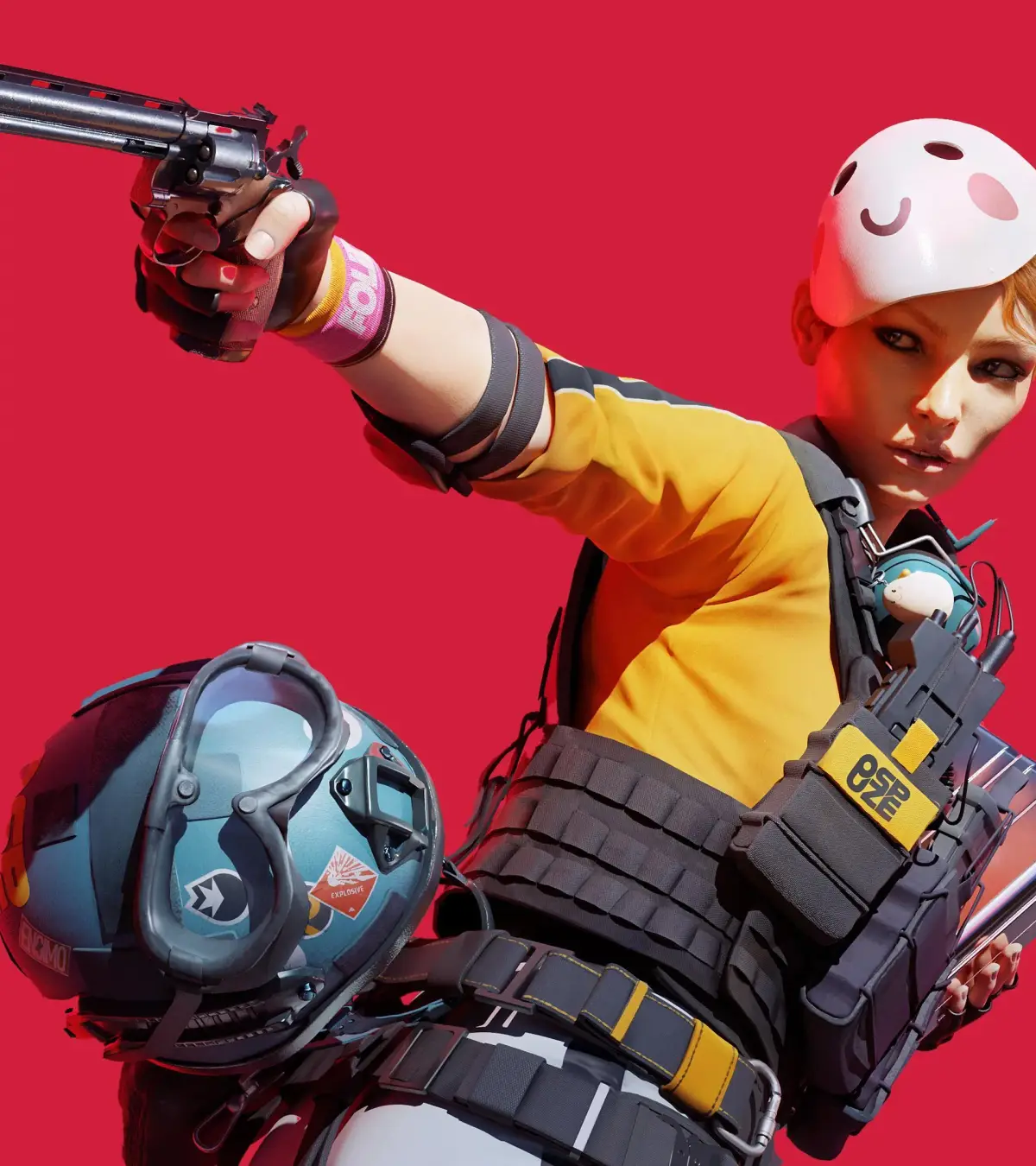

Minimize input lag in THE FINALS for responsive controls. Learn how to adjust settings to ensure your actions register instantly for better aiming and movement.
In a game as fast-paced as THE FINALS, minimizing input lag is paramount. Input lag is the delay between you performing an action (like clicking your mouse or pressing a button) and seeing that action reflected on screen. High input lag can make aiming feel sluggish, movement unresponsive, and generally put you at a significant disadvantage. Here’s how to reduce it:
In-Game Settings
These are the most crucial settings to adjust within THE FINALS itself:
- Display Mode: Always use "Fullscreen." Borderless Windowed or Windowed modes introduce additional overhead and can increase input lag.
- Vertical Sync (V-Sync): Turn V-Sync OFF. While it prevents screen tearing, it's a major contributor to input lag. If screen tearing is a significant issue, consider using your graphics card's control panel settings for Adaptive Sync (NVIDIA G-Sync or AMD FreeSync) if your monitor supports it, as these are generally much better for input lag.
- Frame Rate Limit: If V-Sync is off, setting a frame rate limit slightly above your monitor's refresh rate (e.g., 144 FPS for a 144Hz monitor) can sometimes help stabilize performance and reduce perceived lag, though leaving it unlimited is often preferred for raw responsiveness. Experiment to see what feels best.
- Graphics Settings: Lowering graphics settings, particularly shadow quality, effects quality, and post-processing, can increase your FPS. Higher FPS means your system is rendering frames more quickly, which can indirectly reduce the time it takes for your inputs to be processed and displayed.
System and Hardware Optimizations
Beyond the game settings, your operating system and hardware play a role:
- High Performance Power Plan: Ensure your Windows power plan is set to "High Performance." This prevents your CPU from throttling unnecessarily.
- Disable Game Mode Overlays: While Windows Game Mode can sometimes help, certain overlays (like the Xbox Game Bar) can sometimes introduce issues. Consider disabling them if you suspect they are causing problems.
- Update Graphics Drivers: Always ensure you have the latest drivers for your NVIDIA or AMD graphics card. These updates often include performance optimizations and bug fixes that can affect input lag.
- Close Background Applications: Any unnecessary programs running in the background consume CPU and RAM resources, which can impact game performance and input responsiveness.
- Mouse and Keyboard Settings:
- Polling Rate: For your mouse, ensure its polling rate is set to the highest stable setting (usually 1000Hz).
- Windows Mouse Settings: Disable "Enhance pointer precision" in Windows mouse settings. This is essentially mouse acceleration and can lead to inconsistent aiming.
- Monitor Refresh Rate: Ensure your monitor is set to its highest refresh rate in Windows display settings.
By systematically addressing these areas, you can significantly reduce input lag and enjoy a much more fluid and responsive gaming experience in THE FINALS.
100% Human-Written. AI Fact-Checked. Community Verified. Learn how AntMag verifies content