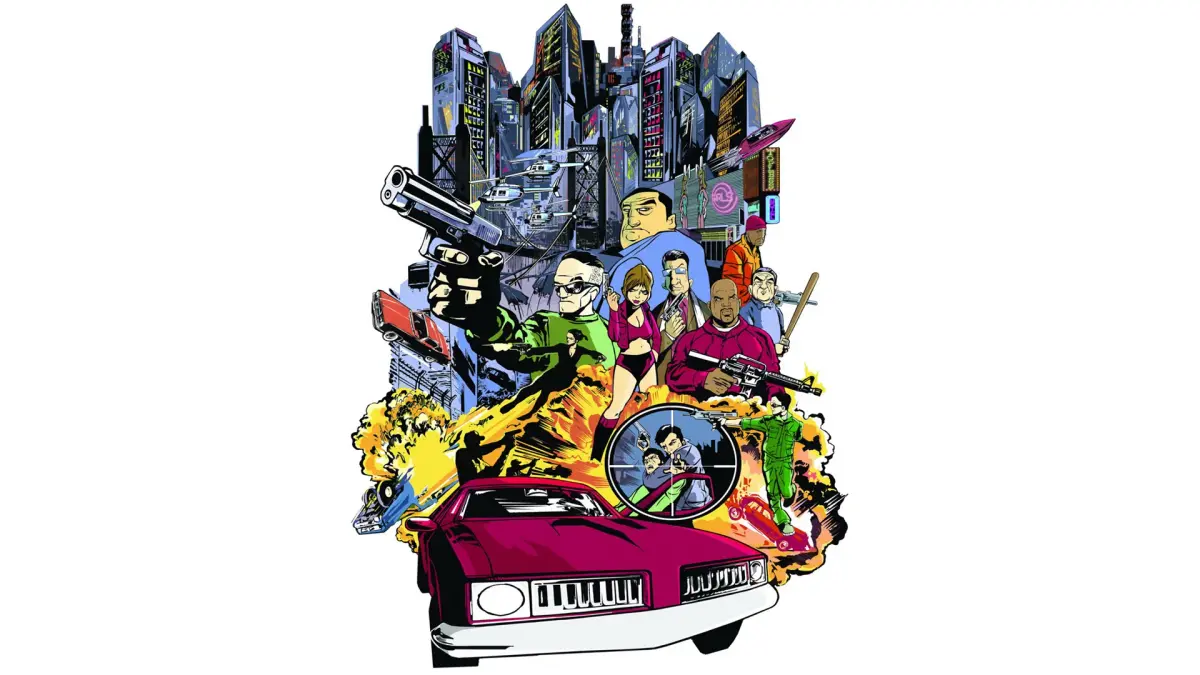
Understand Grand Theft Auto III's core game mechanics, from driving and vehicle usage to shooting and missions in Liberty City's urban landscape.
Grand Theft Auto III plunges players into the gritty, open-world urban landscape of Liberty City, offering a blend of driving, shooting, and mission-based gameplay. Understanding the core mechanics is crucial for navigating its treacherous streets and rising through the criminal underworld.
Driving and Vehicle Mechanics
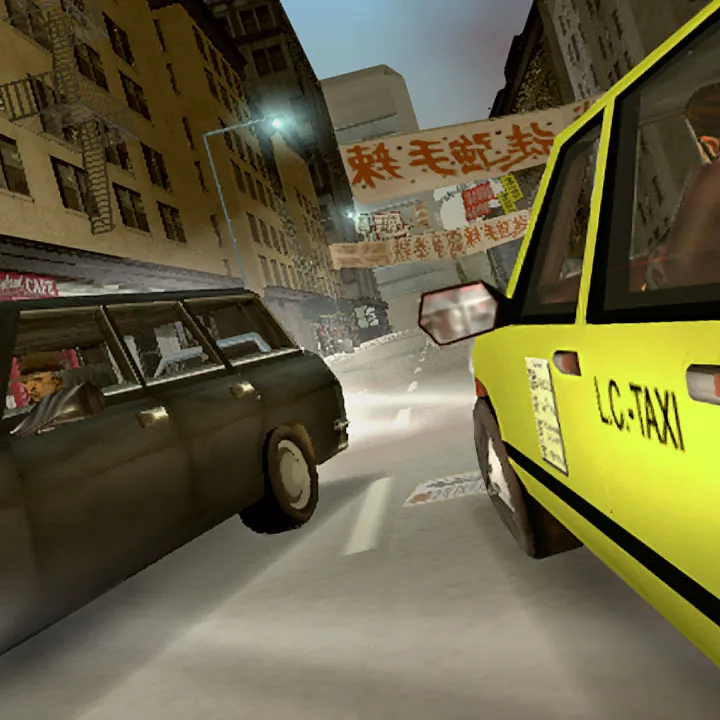
Vehicles are central to GTA III, serving as your primary mode of transportation, a weapon, and often a means of escape. Liberty City is teeming with diverse vehicles, from nimble sports cars to sturdy trucks and even boats. Each vehicle handles differently, affecting speed, acceleration, braking, and cornering. Mastering vehicle control is essential for completing timed missions, evading the police, and simply getting around efficiently.
- Vehicle Acquisition: Most vehicles can be stolen by simply approaching them and pressing the action button. Some mission-specific vehicles may be provided.
- Damage and Destruction: Vehicles sustain damage from collisions, gunfire, and explosions. Excessive damage will cause a vehicle to catch fire and eventually explode, often resulting in Claude's death if he's inside.
- Repairs: Vehicles can be repaired by driving them into a Pay 'n' Spray garage. This also changes the vehicle's color, which is useful for evading Wanted Levels.
- Vehicle Types:
- Cars: The most common type, ranging from sedans to sports cars.
- Trucks/Vans: Slower but more durable, often used for specific mission objectives.
- Motorcycles: Not present in GTA III, but a staple in later titles.
- Boats: Accessible in certain areas, allowing traversal across Liberty City's waterways.
Combat System
Combat in GTA III is a straightforward but challenging affair, relying on a combination of firearms and melee attacks. Claude can carry several weapons, each with distinct characteristics and uses.
- Weapon Types:
- Melee: Fists, Baseball Bat. Effective at close range.
- Pistols: 9mm Pistol. Standard sidearm, decent accuracy.
- Shotguns: Shotgun. Devastating at close range, less effective at a distance.
- Submachine Guns (SMGs): Uzi, AK-47, M16. High rate of fire, good for crowd control.
- Heavy Weapons: Rocket Launcher, Flamethrower. Extremely powerful, often with explosive or area-of-effect damage.
- Explosives: Grenades, Molotov Cocktails. Useful for clearing groups or destroying vehicles.
- Sniper Rifle: Long-range precision.
- Targeting: The game features an auto-aim system that locks onto the nearest enemy, which can be toggled. Manual aiming is also possible for more precise shots, especially with the Sniper Rifle.
- Cover: While there isn't a dedicated cover system, You can use environmental objects for protection during firefights.
- Ammunition: Ammo is finite and must be purchased from Ammu-Nation stores or collected from fallen enemies.
Health and Armor
Claude's survival depends on managing his Health and Armor. Both are represented by on-screen meters.
- Health: Depletes from damage taken from bullets, explosions, falls, and vehicle crashes. If health reaches zero, Claude "wastes" (dies) and respawns at the nearest hospital, losing all weapons (except fists) and a small amount of money.
- Armor: Acts as a secondary health bar, absorbing damage before it affects Claude's health. Armor vests can be found around the city or purchased.
- Healing:
- Health Pickups: Green cross icons found in various locations.
- Prostitutes: Engaging with prostitutes in certain areas will restore health for a small fee.
- Adrenaline Pills: Temporarily slows down time, making combat easier.
Saving the Game
Saving your progress is critical in GTA III, as dying or being arrested can set you back significantly. The game uses specific save points.
- Safehouses: Claude's safehouses (initially in Portland, then Staunton Island, and Shoreside Vale) are the primary locations to save the game. Entering the glowing marker inside a safehouse allows you to save.
- Consequences of Death/Arrest:
- Wasted (Death): Claude respawns at the nearest hospital, losing all weapons (except fists) and a portion of his money.
- Busted (Arrest): Claude respawns at the nearest police station, losing all weapons and a portion of his money.
Wanted Levels
The Wanted Level system dictates the intensity of police and authority pursuit. It's indicated by a star rating on the HUD.
- Generating Wanted Levels: Committing crimes such as hitting pedestrians, stealing cars, shooting, or causing explosions will increase your Wanted Level.
- Star System:
- 1 Star: Police cars will pursue and attempt to arrest you.
- 2 Stars: More police cars, officers are more aggressive.
- 3 Stars: Helicopters join the chase, SWAT teams appear.
- 4 Stars: FBI agents and vehicles join the pursuit.
- 5 Stars: Military (Army) personnel and tanks become involved.
- 6 Stars: The highest level, overwhelming force, nearly impossible to escape.
- Evading Wanted Levels:
- Lie Low: Simply avoiding police sight for a period can reduce lower Wanted Levels.
- Pay 'n' Spray: Driving a vehicle into a Pay 'n' Spray garage will instantly remove all Wanted Levels for a fee.
- Police Bribes: Collecting glowing police star icons scattered around the city will reduce your Wanted Level by one star.
- Changing Clothes: Not a mechanic in GTA III.
Time Progression
Time in Liberty City progresses dynamically, affecting lighting, pedestrian behavior, and sometimes mission availability.
- Day/Night Cycle: The game features a full 24-hour cycle, with distinct day and night periods.
- Mission Timers: Some missions are time-sensitive, requiring completion within a specific in-game timeframe.
- Skipping Time: There is no direct mechanic to skip time; players must wait for the in-game clock to advance naturally.
Economy and Money
Money is essential for purchasing weapons, armor, vehicle repairs, and progressing through certain aspects of the game.
- Earning Money:
- Mission Rewards: Completing story missions and side activities.
- Car Jacking: Selling stolen cars at specific locations (e.g., the crane in Portland).
- Vigilante Missions: Stealing a police car and initiating vigilante missions.
- Taxi Missions: Stealing a taxi and picking up fares.
- Fire Truck Missions: Stealing a fire truck and putting out fires.
- Paramedic Missions: Stealing an ambulance and picking up injured citizens.
- Collecting Pickups: Finding hidden money pickups.
- Killing Enemies: Enemies sometimes drop small amounts of cash.
- Spending Money:
- Weapons and Ammo: Purchased from Ammu-Nation stores.
- Armor: Purchased from Ammu-Nation or found as pickups.
- Vehicle Repairs: At Pay 'n' Spray garages.
- Prostitutes: For health restoration.
- Money Loss: Dying or being arrested results in a loss of a portion of your current cash.
100% Human-Written. AI Fact-Checked. Community Verified. Learn how AntMag verifies content