
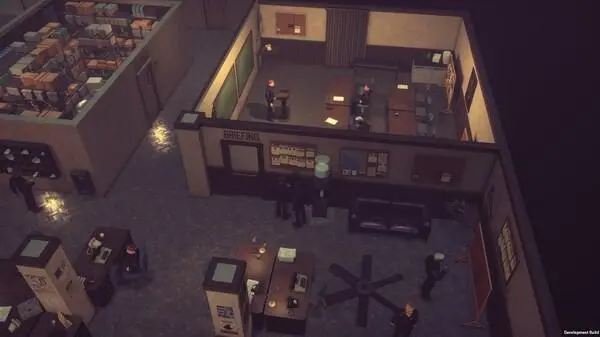
Understand The Precinct's mission structure. Master multi-stage investigations and learn effective strategies for crime-fighting in Precinct 13.
Welcome, Detective, to the gritty streets of Precinct 13. Understanding the mission structure in The Precinct is crucial for efficient crime-fighting and maximizing your impact. Unlike linear narratives, our missions often involve multiple stages, requiring keen observation, strategic planning, and sometimes, a little improvisation. This section will break down the typical flow of an investigation and provide actionable steps to ensure you're always one step ahead.
Initial Dispatch & Scene Assessment
Every mission begins with a dispatch call, alerting you to a new incident. Pay close attention to the initial details provided by dispatch, as they often contain vital clues regarding the nature of the crime and potential hazards.
- Respond to Call: Navigate to the designated crime scene marked on your mini-map. Prioritize speed, but also consider the safest route, especially if the call indicates a volatile situation.
- Secure the Perimeter: Upon arrival, your first objective is usually to secure the area. This might involve setting up police tape (found in your patrol car's trunk, labeled "Crime Scene Kit") or directing civilians away from the immediate vicinity.
- Initial Scan: Perform a quick visual scan of the scene. Look for obvious evidence, witnesses, or potential suspects attempting to flee.
Evidence Collection & Witness Interviews
The heart of any good investigation lies in thorough evidence collection and gathering reliable testimony. Don't rush this stage; missed details can derail an entire case.
Evidence Collection
use your "Forensic Toolkit" (accessible via your inventory wheel) to interact with various types of evidence. The toolkit contains:
- UV Light: Essential for revealing latent fingerprints and biological fluids. Shine it on surfaces like door handles, weapons, or bloodstains.
- Fingerprint Dusting Kit: Once latent prints are revealed by the UV light, use this to lift them. Success depends on careful application and a steady hand.
- Evidence Bags: Always bag and tag physical evidence such as weapons, shell casings, or suspicious objects. Each item must be individually bagged to prevent cross-contamination.
- Camera: Document the crime scene thoroughly. Take multiple angles of key evidence and the overall layout before disturbing anything.
Key Locations for Evidence:
- Entry/Exit Points: Look for forced entry, footprints, or discarded items.
- Victim's Proximity: Weapons, personal effects, or struggle marks.
- Surrounding Area: Sometimes suspects drop items while fleeing. Expand your search beyond the immediate crime scene.
Witness Interviews
Approach witnesses calmly and professionally. Their accounts can provide crucial leads.
- Identify Witnesses: Look for individuals with a "Speech Bubble" icon above their heads.
- Engage in Dialogue: Initiate conversation. You'll often have dialogue options. Choose carefully; aggressive questioning can make witnesses uncooperative.
- Cross-Reference Information: If multiple witnesses are present, compare their stories. Discrepancies can indicate unreliability or even complicity.
- Obtain Statements: Use your "Notebook" (inventory item) to record key details from witness statements. This will be vital for your case file.
Suspect Identification & Pursuit
Once you've gathered enough information, you'll likely have a lead on a suspect. This phase often involves high-stakes action.
- Database Search: Use the "Police Database" terminal at the precinct or in your patrol car to cross-reference witness descriptions, partial license plates, or recovered items. This can generate a suspect profile.
- Follow Leads: The database search or witness testimony might point you to a specific location or a known associate. Head there immediately.
- Vehicle Pursuit: If a suspect attempts to flee by car, engage in a pursuit. use your patrol car's siren (Left Stick click) and tactical maneuvers to box them in. Be mindful of civilian traffic and collateral damage.
- Foot Pursuit: For suspects on foot, use your sprint ability (Left Shift) and vaulting mechanics to keep pace. Remember to call for backup (D-Pad Up) if you lose sight or they enter a crowded area.
Apprehension & Interrogation
Bringing the suspect into custody is the final step of the active investigation.
- Subdue Suspect: Depending on the suspect's resistance, you may need to use non-lethal force (Taser, Baton) or engage in a brief hand-to-hand combat sequence. Always aim to de-escalate if possible.
- Arrest: Once subdued, approach the suspect and initiate the arrest sequence (Interact button). They will be cuffed and transported to the precinct.
- Interrogation: At the precinct, you'll conduct a formal interrogation. Present the evidence you've collected (from your "Case File" in the interrogation room menu) to pressure the suspect. A successful interrogation can lead to a confession or further leads, concluding the mission.
Remember, every mission in The Precinct is a puzzle. Stay vigilant, follow procedure, and trust your instincts. Good luck, Detective.
100% Human-Written. AI Fact-Checked. Community Verified. Learn how AntMag verifies content