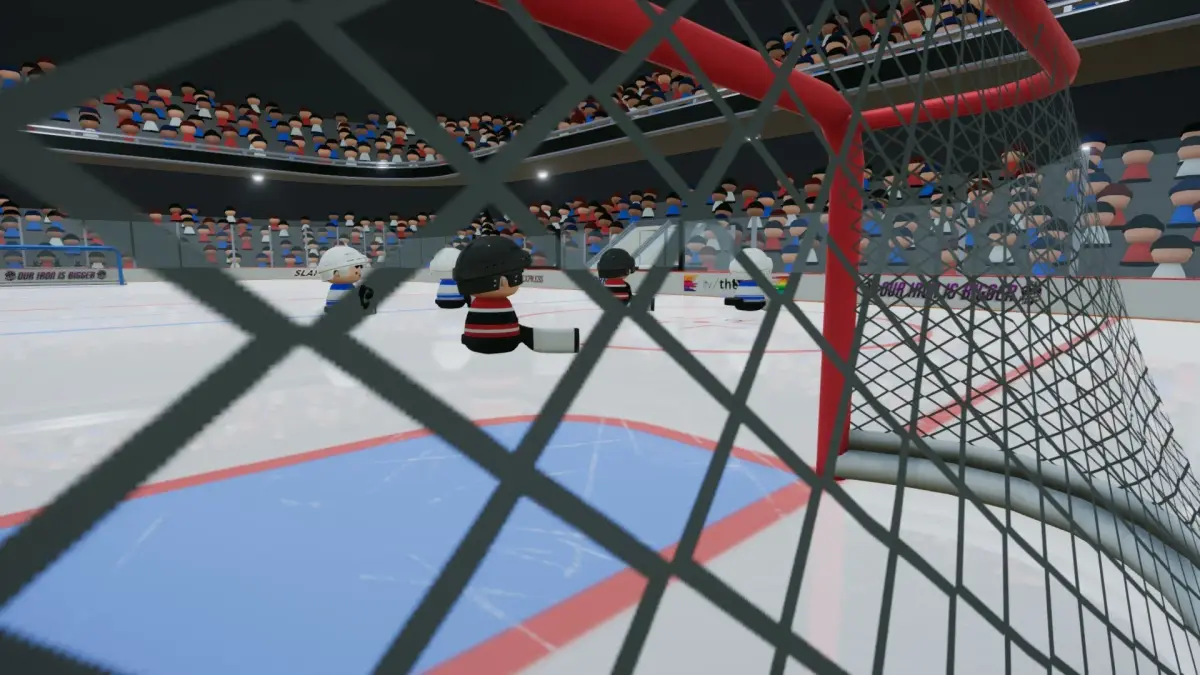
Elevate your offense in SLAPSHOT Rebound. Master breakout plays, passing strategies, and scoring techniques to dominate the ice.
Mastering the offensive game in SLAPSHOT Rebound is about more than just raw shooting power. It requires a blend of strategic positioning, intelligent passing, and the ability to capitalize on even the smallest defensive lapses. This section will equip you with the knowledge to effectively break down opposing defenses, generate high-quality scoring chances, and maintain relentless pressure. We'll cover everything from initiating play with strong breakouts to executing intricate set plays and finishing with clinical precision.
I. Effective Breakouts: Starting the Attack
A successful breakout is the foundation of any strong offensive push. It's about cleanly exiting your defensive zone and transitioning into an attack before the opposition can establish their defensive structure. The goal is to gain neutral or offensive zone possession with speed and numbers.
A. The D-to-D Breakout
This is a fundamental breakout strategy that emphasizes puck possession and controlled progression up the ice.
- Defenseman Receives Puck: The defenseman closest to their own goal line receives the puck from the goalie or a cleared puck.
- Scan the Ice: Before making a move, the defenseman should quickly scan the ice for passing options. Look for forwards who are separating from opposing forecheckers or a clear lane to the other defenseman.
- Pass to the Other Defenseman: If a clear lane exists, make a firm, accurate pass to the defenseman on the other side of the ice. This often forces the opposing forecheckers to adjust their angle, creating space.
- Support and Transition: The defenseman who made the pass should immediately skate up the boards or towards the center ice to provide a secondary option or support the rush. The receiving defenseman can then either carry the puck up ice or make a further pass.
B. The Chip and Chase Breakout
This strategy is effective when the opposing forecheck is aggressive and there are no immediate clean passing lanes. It relies on speed and anticipation.
- Defenseman Chips the Puck: The defenseman makes a controlled chip pass off the boards or into open ice in the neutral zone, aiming to get it past the forecheckers.
- Forward Chases: A designated forward (often the fastest skater) aggressively chases the chipped puck.
- Regain Possession: The goal is for the chasing forward to beat their defender to the puck and gain possession in the neutral or offensive zone.
- Transition Quickly: Once possession is regained, the forward should immediately look to transition into the offensive zone, drawing defenders and creating passing opportunities.
C. The "Flip" Breakout (for Goalies)
Goalies can play a crucial role in initiating breakouts, especially when the opposing team is pressing hard.
- Goalie Receives Puck: The goalie collects a loose puck or a pass from a defenseman.
- Identify Target: The goalie should look for a forward who has managed to shake their check or is skating into open ice in the neutral zone.
- Powerful Flip Pass: Execute a strong, accurate flip pass over the forecheckers directly to the identified forward. This can bypass the entire forechecking unit and create an immediate odd-man rush.
II. Set Up Plays: Creating Scoring Chances
Once in the offensive zone, simply dumping the puck in or skating aimlessly won't generate consistent offense. Set plays involve deliberate passing sequences and player movement designed to exploit defensive weaknesses and create open shots.
A. The Give-and-Go (1-2 Pass)
A classic offensive maneuver that relies on quick passing and movement.
- Initiate with a Pass: A player with the puck makes a pass to a teammate who is moving towards the net or into open ice.
- Skate to the Open Space: Immediately after passing, the original puck carrier should skate hard towards the net or into a position where they can receive a return pass.
- Receive the Return Pass: The teammate who received the initial pass should quickly pass the puck back to the original puck carrier, who is now in a more advantageous position.
- Shoot or Make Another Play: The returning player can now take a shot, drive to the net, or make another pass.
Tip: This play is most effective when executed with speed and surprise. Defenders often get caught watching the puck carrier, leaving the returning player open.
B. Creating Passing Lanes with Puck Protection
Sometimes, the best way to create a passing lane is to force the defense to commit to you.
- Protect the Puck: When entering the offensive zone or along the boards, use your body to shield the puck from defenders.
- Force a Defender to Commit: Drive towards the net or a specific area, forcing a defender to engage you.
- Dish the Puck: Once the defender commits, quickly pass the puck to a teammate who has found open ice as a result of the defender's engagement.
Tip: Look for teammates who are "hanging" in the slot or driving to the far post. These are often prime targets for a quick dish.
C. Cycling the Puck
This is a patient offensive strategy designed to wear down the defense and create openings through sustained pressure.
- Dump and Chase: A player dumps the puck deep into the offensive zone along the boards.
- Forecheck and Retrieve: The puck carrier and teammates aggressively forecheck to regain possession.
- Work the Puck Around the Boards: Once possession is regained, the puck is worked along the boards, moving from player to player.
- Look for the Slot Pass: The goal is to eventually move the puck from the boards to a player in the high-danger scoring area (the slot) for a shot or a quick pass to the front of the net.
Tip: Communication is key. Call out where you're going to pass the puck and where you expect to receive it.
III. Clinical Finishing: Putting the Puck in the Net
Generating chances is only half the battle; converting those chances into goals is what truly wins games. Different situations call for different finishing techniques.
A. Wrist Shot
The most common and versatile shot in SLAPSHOT Rebound. Effective from most distances.
- Positioning: Get the puck on your stick blade and slightly ahead of your body.
- Loading the Shot: Bring the puck back smoothly, bending your knees and transferring your weight.
- The Snap: Quickly snap your wrists forward, transferring your weight and extending your arms. Aim to hit the puck with the sweet spot of your blade.
- Follow Through: Continue your motion towards the target.
Targets: Aim for the corners of the net, five-hole, or high glove/blocker side depending on the goalie's position.
B. Slap Shot
A powerful shot, best used when you have time and space, or for a quick one-timer.
- Wind Up: Take a deliberate backswing, keeping your eyes on the puck.
- Contact: Bring the stick down with force, aiming to hit the ice just behind the puck. This allows the stick to flex and generate maximum power.
- Follow Through: Continue your motion towards the net.
Tip: The slap shot is less accurate than a wrist shot. Use it when you have a clear lane and the goalie is screened or out of position.
C. Backhand Shot
A crucial shot for tight situations, especially when the puck is on your backhand side.
- Positioning: Get the puck on your backhand side, close to your body.
- Loading: Similar to a wrist shot, but with the puck on the opposite side of your body.
- The Snap: Snap your wrists forward, using your body weight to generate power.
Tip: Practice backhand shots regularly. A strong backhand can be a deadly weapon when opponents expect you to go to your forehand.
D. Dekes and Fakes
Used to freeze the goalie or defender and create an opening.
- Toe Drag: Pulling the puck towards your skates with the toe of your blade to get around a defender or goalie.
- Fake Shot: Mimicking the motion of a shot without actually shooting, forcing the goalie to commit.
- Deke to the Forehand/Backhand: Shifting the puck from one side of your body to the other to fool the goalie.
Tip: Combine dekes with quick shots. Don't hold onto the puck too long after a deke, as defenders will recover.
E. Tips and Redirects
A highly effective way to score, especially from the front of the net.
- Position in Front of the Net: Get into a position where you can screen the goalie and potentially deflect a shot.
- Watch the Shot: Keep your eye on the puck as it comes towards you.
- Angle Your Stick: Adjust your stick blade to redirect the puck towards the net.
Tip: This requires good anticipation and hand-eye coordination. Try to get your stick on the puck with a slight angle to change its direction.
100% Human-Written. AI Fact-Checked. Community Verified. Learn how AntMag verifies content