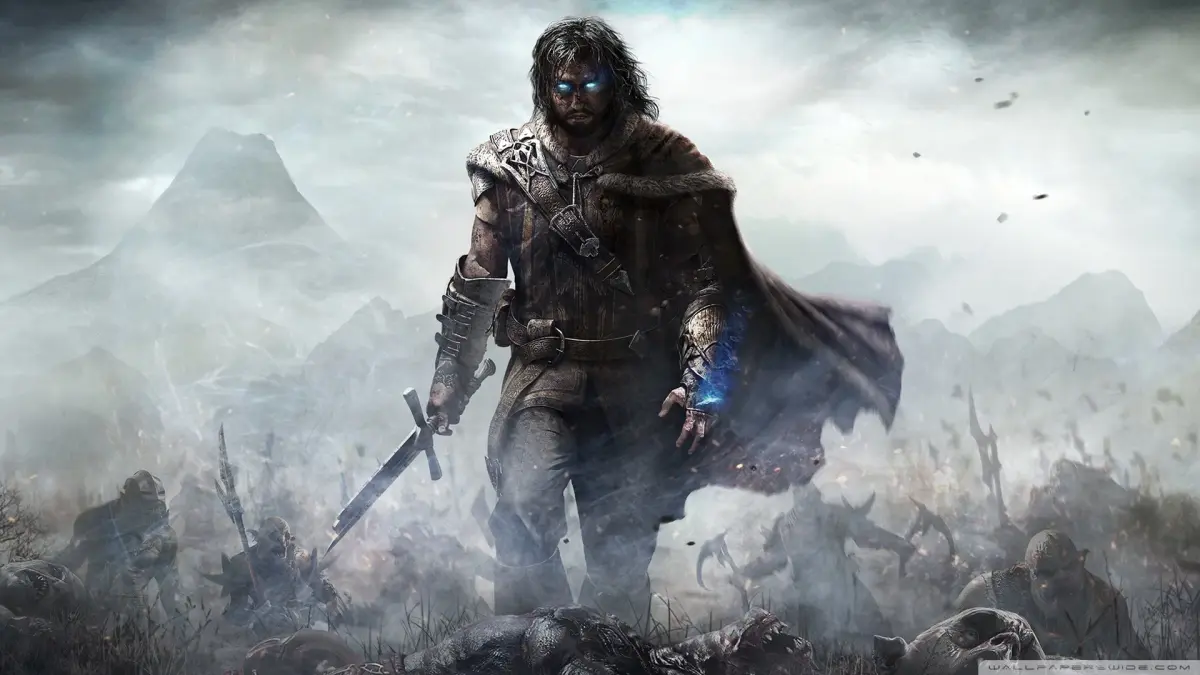
Exploit Uruk weaknesses in Middle-earth: Shadow of Mordor to gain dominance. Target vulnerabilities to turn battles and execute powerful finishers.
Understanding and exploiting Uruk weaknesses is paramount to survival and dominance in Middle-earth: Shadow of Mordor. Each Uruk possesses unique strengths and vulnerabilities, which can be discovered through observation and interrogation. Targeting these weaknesses allows you to turn the tide of battle, execute powerful finishers, and even turn enemies against each other.
The Uruk-hai are not a monolithic force; they are individuals within a brutal hierarchy, each with their own fears and advantages. The Nemesis System ensures that your encounters are dynamic, with Uruks remembering past battles and evolving. To truly master combat, you must become an expert in identifying and exploiting these traits.
Identifying Uruk Weaknesses
The most direct way to learn an Uruk's weaknesses is through combat and interrogation. When you engage an Uruk captain or warchief, their strengths and weaknesses will be displayed on screen. However, you can also gain this information proactively:
- Observation: During combat, pay attention to how Uruks react to certain attacks. If an Uruk consistently dodges or shows a specific aversion to a particular weapon type, it's a clue.
- Interrogation: Capture a lower-ranked Uruk and use the 'Intimidate' ability to extract information about their superiors. This can reveal weaknesses, strengths, and even the location of important targets. Be aware that some Uruks are immune to interrogation, and others might lie.
- Intel Gathering: Sometimes, you'll overhear Uruks discussing their leaders, which can provide hints about their vulnerabilities.
Common Uruk Weaknesses and How to Exploit Them
Uruk weaknesses generally fall into categories related to combat styles, damage types, and environmental factors. Here are some common examples and strategies:
- Combat Weaknesses:
- Melee: Some Uruks are vulnerable to specific melee attacks. For instance, an Uruk might be weak to stealth attacks, executions, or even specific combat moves like the Vault Stun.
- Ranged: Others might be susceptible to arrows. If an Uruk is weak to ranged attacks, peppering them with your bow from a distance can be highly effective.
- Stealth: Certain Uruks might be easily startled or vulnerable to stealth takedowns. Using the environment to your advantage for silent kills is key here.
- Damage Type Weaknesses:
- Fire: Many Uruks have a fear of fire. Using fire-based attacks, such as explosive barrels or the Firebrand ability, can cause them to panic and flee, leaving them open to attack.
- Poison: Conversely, some Uruks might be vulnerable to poison. Using poison-based attacks or environmental hazards can deal damage over time and weaken them significantly.
- Combat Brand: While not a direct damage type, an Uruk's weakness to being branded can be exploited to turn them into an ally, creating chaos within enemy ranks.
- Environmental Weaknesses:
- Beasts: Some Uruks are terrified of Caragors or Graugs. Luring these beasts into combat with such an Uruk can be a swift and brutal way to eliminate them.
- Heights: While less common, some Uruks might be unnerved by fighting in elevated positions.
Turning Weaknesses into Advantages
The true mastery of the Nemesis System lies in using an Uruk's weaknesses against them. If a captain is weak to fire, ensure you have fire arrows or explosive traps ready. If they fear beasts, strategically position yourself near a beast nest before engaging. If an Uruk is a 'Coward' or has a 'Fear of Heights', you can often force them to flee by simply climbing to a higher vantage point.
Remember that Uruks can gain new strengths and lose weaknesses as they survive encounters with you. This constant evolution means you must remain adaptable and always be on the lookout for new information. By diligently studying your foes and exploiting their vulnerabilities, you will carve a path of vengeance through Mordor.
100% Human-Written. AI Fact-Checked. Community Verified. Learn how AntMag verifies content