
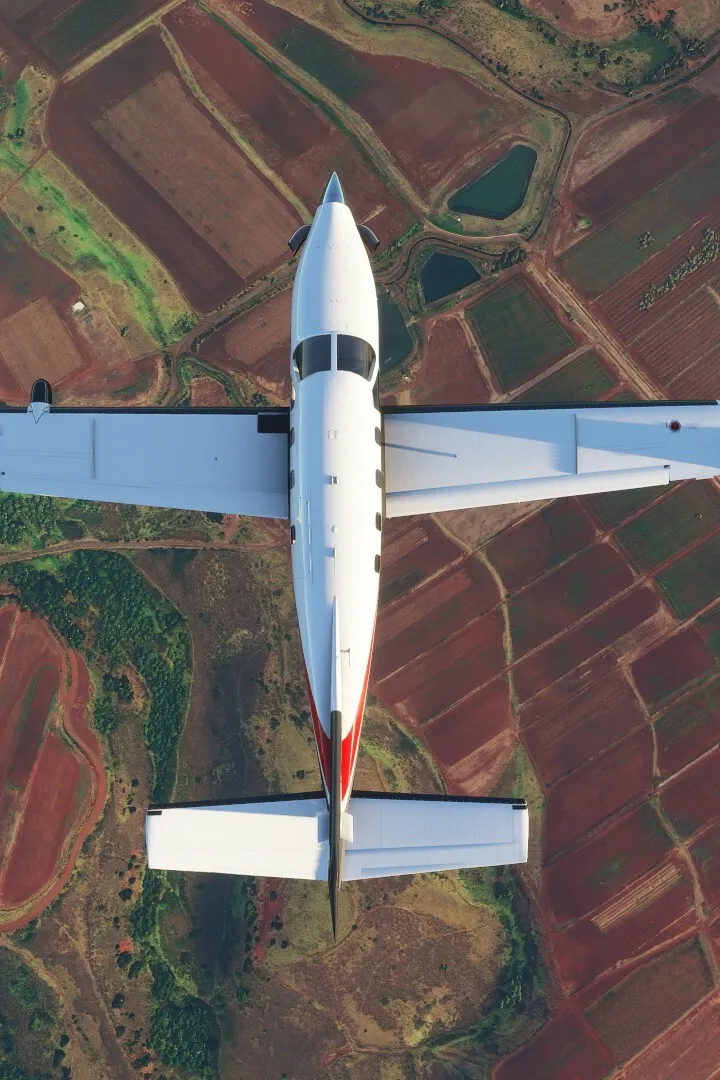
Master airliners and commercial jets in Microsoft Flight Simulator, focusing on IFR flights and complex systems.
Airliners such as the Boeing 747 and Airbus A320 are complex machines designed for long-haul IFR (Instrument Flight Rules) flights. They require extensive knowledge of flight management systems (FMS), autopilot, and air traffic control procedures. Mastering these aircraft offers a deeply rewarding simulation experience, allowing pilots to recreate the challenges and precision of real-world commercial aviation. The sheer scale and intricate systems of these giants of the sky demand a methodical approach to flight planning and execution. From pre-flight checks to final approach, every step is critical for a safe and efficient journey.
Flight Management System (FMS)
The FMS is the central nervous system of any modern airliner. It allows pilots to program flight plans, calculate performance data, and manage navigation. Understanding how to input waypoints, altitudes, and speeds into the FMS is fundamental. This includes setting up departure and arrival procedures, as well as managing en-route segments. The FMS also interfaces with the autopilot, enabling automated navigation along the programmed route. Incorrect FMS programming can lead to significant deviations from the intended flight path or even dangerous situations, especially during IFR conditions.
Autopilot and Automation
The autopilot systems on airliners like the Boeing 747 and Airbus A320 are highly sophisticated, capable of managing all phases of flight, from climb-out to landing. Pilots must learn to engage and disengage the autopilot correctly, select appropriate modes (e.g., heading select, altitude hold, vertical speed), and monitor its performance closely. Understanding the limitations of the autopilot and when to take manual control is crucial. For instance, during turbulent weather or complex approach scenarios, manual intervention might be necessary to maintain stability and adhere to air traffic control instructions.
Air Traffic Control (ATC) Integration
Effective communication with air traffic control is a cornerstone of IFR flight. Airliners operate within a structured airspace system, requiring pilots to follow clearances for altitude, heading, and speed. This involves understanding standard phraseology, responding promptly to ATC instructions, and maintaining situational awareness of other traffic. The simulation accurately models ATC interactions, making it essential for pilots to practice radio communication and adherence to clearances when flying aircraft like the Boeing 747 or Airbus A320. Misinterpreting or oring ATC instructions can lead to conflicts with other aircraft and potential safety hazards.
Performance and Weight & Balance
Commercial jets are highly sensitive to their weight and balance. Pilots must accurately calculate takeoff and landing performance based on factors such as aircraft weight, temperature, and runway conditions. This involves using performance charts and data specific to each aircraft type. Improperly calculated performance can result in insufficient runway length for takeoff or landing, or an unstable approach. Understanding these calculations is a key differentiator between a casual flyer and a pilot striving for realism when operating these large aircraft.
100% Human-Written. AI Fact-Checked. Community Verified. Learn how AntMag verifies content