
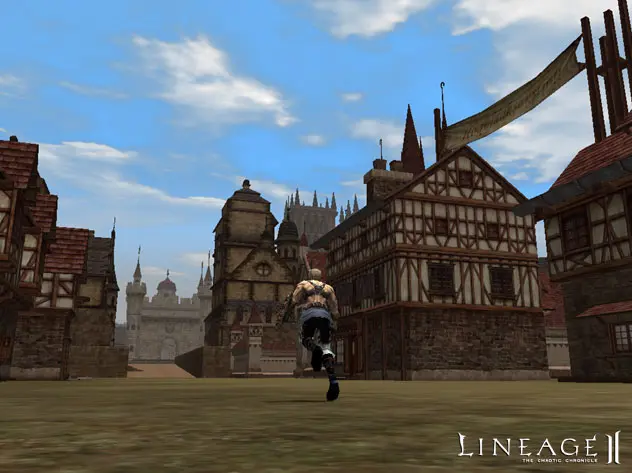
Navigate Lineage II's PvP zones and mechanics. Learn the rules and advantages of engaging in player-versus-player combat across Aden's varied territories.
Welcome, aspiring warlords of Aden! This section will be your comprehensive guide to navigating the treacherous yet rewarding world of Player vs. Player combat in Lineage II. Understanding where and how to engage in PvP is crucial for both survival and dominance.
Understanding PvP Zones
Lineage II features various zones with differing PvP rules. Knowing these distinctions is paramount to avoiding unwanted PK status or maximizing your combat opportunities.
- Safe Zones: These are typically towns, villages, and starting areas. PvP is strictly prohibited here. Any attempt to attack another player will result in a system message preventing the action. Examples include Gludin Village, Dion Castle Town, and the Elven Village.
- Combat Zones (Non-PK): The vast majority of the open world falls into this category. You can attack other players, but doing so without being attacked first will flag you as a "Chaotic" player (Purple Name). This incurs penalties, which we'll detail below. Examples include the Cruma Tower exterior, the Enchanted Valley, and the Plains of the Lizardmen.
- PvP Zones (PK Zones): These areas are designed for constant conflict. There are no penalties for attacking other players here; everyone is considered fair game. These are often high-level hunting grounds or areas with valuable resources.
- Siege Zones: During Castle Sieges, the areas surrounding and within the castle become temporary PvP Zones. All players not allied with the defending or attacking clans are considered enemies.
- Instanced PvP Zones: These are special areas accessible through specific quests or events, such as the Kamaloka instances or certain raid boss arenas, where PvP rules might be modified or enforced for the duration of the instance.
Key PvP Zones & Strategies
The Cruma Tower (Upper Floors)
The upper floors of Cruma Tower (typically F3 and above) are notorious PvP hotspots. These floors are excellent for farming high-level materials and experience, making them highly contested.
- Location: Directly south of Dion Castle Town. Teleport to Cruma Tower via the Gatekeeper in Dion.
- Strategy:
- Solo Play: Not recommended unless you are significantly over-geared or playing a stealth-oriented class like a Phantom Ranger. Expect frequent interruptions.
- Group Play: Essential. Form a balanced party with healers (e.g., Elven Elder, Shillien Elder), damage dealers (e.g., Spellhowler, Tyrant), and tanks (e.g., Dark Avenger, Paladin).
- Preparation: Stock up on Greater Healing Potions, Scrolls of Escape, and Blessed Scrolls of Resurrection. Consider bringing Soulshots and Spiritshots appropriate for your weapon grade.
- Engagement: Focus fire on enemy healers first. Utilize crowd control abilities (e.g., Sleep, Stun) to disable key targets. Be prepared to use Scrolls of Escape if overwhelmed to avoid losing experience and items.
The Forge of Gods
A high-level zone in Goddard, known for its challenging monsters and valuable drops, making it a prime target for PvP.
- Location: Northeast of Goddard Castle Town. Teleport to the Forge of Gods via the Gatekeeper in Goddard.
- Strategy:
- Resource Control: Clans often fight over specific monster spawns (e.g., Hames Orc Shaman) that drop rare crafting materials.
- Ambush Points: The winding corridors and lava pools provide excellent opportunities for ambushes. Be wary of corners and elevated positions.
- Buff Management: Maintain full buffs at all times. Consider using Scrolls of Might, Scrolls of Shield, and Scrolls of Acumen to gain an edge.
Dragon Valley (Deep)
The deeper parts of Dragon Valley are a constant battleground, especially around the entrance to Antharas's Lair.
- Location: East of Giran Castle Town. Teleport to Dragon Valley via the Gatekeeper in Giran.
- Strategy:
- Raid Boss Contention: Expect heavy PvP when raid bosses like Drake Lord or the occasional Antharas raid are active.
- Chokepoints: The narrow passages leading deeper into the valley are natural chokepoints for large-scale clan battles.
- Mounts: Consider using a Strider or Wyvern for faster travel and potential escape, though they are vulnerable in combat.
PvP Mechanics: PK Status & Penalties
Understanding the consequences of engaging in PvP is crucial to managing your character's reputation.
- Purple Name (Chaotic):
- How it happens: Attacking another player who is not flagged as Chaotic or a declared enemy (e.g., during a siege) will turn your name purple.
- Duration: Your name remains purple for a set amount of time, decreasing gradually. Engaging in further unprovoked PvP will reset or extend this timer.
- Consequences: While purple, you can be attacked by any player without them incurring PK status. You will not drop items upon death.
- Red Name (Player Killer - PK):
- How it happens: Killing another player while your name is purple will turn your name red. Each kill adds to your "PK Count."
- Duration: Your name remains red until your PK Count is reduced to zero. This typically happens by hunting monsters or dying to monsters/players.
- Consequences:
- Item Drop: Upon death, you have a chance to drop equipped items (weapons, armor, accessories) and inventory items. The higher your PK Count, the higher the chance.
- Experience Loss: Significant experience loss upon death.
- Karma: Your Karma score increases with each PK. High Karma can prevent you from entering certain towns or interacting with NPCs.
- Target for Guards: Town Guards will attack you on sight.
Reducing PK Status & Karma
- Hunting Monsters: Killing monsters slowly reduces your PK Count and Karma. Higher level monsters provide a faster reduction.
- Death: Dying to monsters or other players will reduce your PK Count by one and your Karma. This is a risky method due to potential item loss.
- Karma Reduction Items: Rare items like Scroll of Karma Reduction can instantly reduce your Karma. These are often event rewards or rare drops.
- Temple of Einhasad: In certain towns (e.g., Aden Castle Town, Rune Township), you can speak to a Priest of Einhasad to undertake a quest to reduce your Karma. These quests often involve collecting specific items or killing a certain number of monsters.
Essential PvP Gear & Consumables
To excel in PvP, proper preparation is key. Always ensure you have the following:
- Weapon & Armor: Always use the highest grade and enchanted gear you can afford. Consider PvP-specific augmentations for weapons (e.g., PvP Damage Increase).
- Jewelry: Rings, earrings, and necklaces with resistances (e.g., Stun Resistance, Sleep Resistance) or M.Def/P.Def boosts are crucial.
- Potions:
- Greater Healing Potions / Elixirs of Life
- Greater Haste Potions (for attack speed)
- Greater Swift Attack Potions (for casting speed)
- Scrolls of Escape (for quick retreats)
- Blessed Scrolls of Resurrection (to minimize experience loss upon death)
- Scrolls:
- Scrolls of Might / Greater Might
- Scrolls of Shield / Greater Shield
- Scrolls of Acumen
- Scrolls of Wind Walk
- Scrolls of Death Whisper (for critical damage)
- Soulshots & Spiritshots: Always have a plentiful supply of the highest grade appropriate for your weapon.
Mastering PvP in Lineage II is a journey of skill, strategy, and resilience. Utilize this guide to prepare yourself for the challenges ahead and carve your legend into the annals of Aden!
100% Human-Written. AI Fact-Checked. Community Verified. Learn how AntMag verifies content