
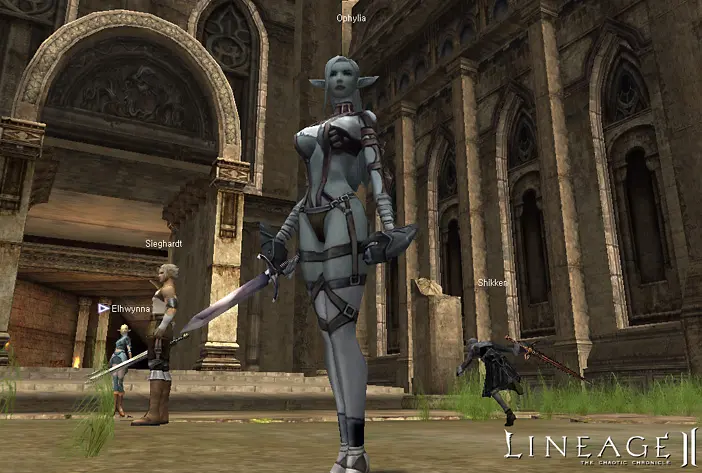
Master crafting professions in Lineage II. Create essential gear and consumables to power your character and dominate the economy of Aden and Elmore.
Welcome, aspiring artisans of Aden! In Lineage II, crafting isn't just a hobby; it's the backbone of the economy and a vital path to power. Mastering a crafting profession allows you to create essential gear, consumables, and even rare items that can fetch a hefty price or give you a significant edge in combat. This detailed guide will walk you through the intricacies of becoming a master crafter.
Choosing Your Path: Dwarven Crafting
Unlike other races, only the industrious Dwarves possess the innate ability to craft. If you're not playing a Dwarf, fear not! You can still benefit from crafting by forming alliances with Dwarven crafters or purchasing their wares. For those who embrace the stout and skilled, your journey begins with one of two specialized crafting professions:
- Artisan (Dwarven Fighter -> Scavenger -> Bounty Hunter): Artisans focus on creating weapons and armor. They are the backbone of any fighting force, providing the gear needed to conquer dungeons and foes.
- Warsmith (Dwarven Fighter -> Scavenger -> Warsmith): Warsmiths specialize in crafting siege weapons, golem parts, and advanced components. Their creations are crucial for castle sieges and large-scale warfare.
Your choice of profession will dictate the types of recipes you learn and the materials you'll prioritize. Both paths are incredibly rewarding, but require dedication and a keen eye for resources.
The Crafting Process: Step-by-Step
Crafting in Lineage II involves several key stages, from gathering raw materials to the final creation of an item. Follow these steps for a successful crafting experience:
1. Gathering Materials
This is the most time-consuming yet crucial part of crafting. Materials are obtained through various methods:
- Spoiling and Sweeping: As a Scavenger or Bounty Hunter, your primary method of obtaining rare materials is through the "Spoil" and "Sweep" skills.
- Spoil: Use this skill on a monster before defeating it. If successful, the monster will drop "Spoiled" items upon death.
- Sweep: After a monster has been Spoiled and defeated, use "Sweep" on its corpse to collect the special Spoiled materials.
Strategy: Focus on monsters that drop materials relevant to your desired recipes. Early on, consider areas like the Forgotten Plains or Cruma Tower for common crafting ingredients like Iron Ore, Coal, and Animal Bone.
- Mining: Certain areas contain mineral veins that can be mined for raw ores. You'll need a Pickaxe (purchasable from any Grocer or Blacksmith) to mine. Look for sparkling rocks in mountainous regions or caves.
- Purchasing: Players often sell raw materials or intermediate components in their private stores. Check the bustling marketplaces in Giran Castle Town or Aden Castle Town.
- Quest Rewards: Some quests offer crafting materials as rewards. Keep an eye out for these opportunities.
2. Learning Recipes
To craft an item, you must first learn its recipe. Recipes are obtained through:
- Recipe Books: These are dropped by monsters, found in treasure chests, or purchased from other players. They are often categorized by grade (D, C, B, A, S).
- Crafting Guilds: Certain basic recipes can be learned from Maestro Ishuma in Hunters Village or Blacksmith Pinter in Dion Castle Town as you level up your crafting skill.
- Clan Halls: Some clan halls offer unique recipes to their members.
Once you acquire a recipe, right-click it in your inventory to learn it. Learned recipes are stored in your crafting skill window (Alt+K -> Common Craft).
3. Crafting the Item
With materials gathered and recipes learned, you're ready to craft! Find a Blacksmith or Warehouse Keeper in any major town. Interact with them and select the "Craft" option. You will see a list of items you can currently craft.
- Select Recipe: Choose the item you wish to create from your learned recipes.
- Material Check: The crafting window will display the required materials. Ensure you have all of them in your inventory.
- Crafting Fee: There is a small Adena fee associated with each craft.
- Success Chance: Crafting has a success rate. Higher-grade items or those with complex recipes will have a lower success chance. Failing a craft consumes all materials but does not consume the crafting fee.
Improving Your Crafting Skill
Your crafting skill level increases with each successful craft. A higher crafting skill allows you to craft higher-grade items and increases your success rate. To efficiently level up:
- Mass Produce Low-Grade Items: Initially, focus on crafting simple, low-grade items like Steel, Varnish, or Cord. These require common materials and have a high success rate, allowing for rapid skill gains.
- Utilize Crafting Dyes: Certain dyes can temporarily boost your crafting success rate. These are often found as monster drops or sold by other players.
- Join a Crafting-Focused Clan: Some clans specialize in crafting and may offer bonuses or shared resources to their members.
Essential Crafting Components
Many advanced items require intermediate components that must be crafted first. Familiarize yourself with these common components:
- Steel: Made from Iron Ore and Coal. Used in almost all metal-based items.
- Varnish: Made from Stem and Suede. Essential for wooden and leather items.
- Cord: Made from Thread and Animal Skin. Used in cloth and leather armor.
- Mithril Ore: A rarer ore used in higher-grade items.
- Oriharukon Ore: An even rarer and more valuable ore, crucial for A-grade and S-grade equipment.
By diligently gathering materials, learning recipes, and patiently honing your skills, you will become a respected and wealthy crafter in the world of Lineage II. Good luck, and may your hammers strike true!
100% Human-Written. AI Fact-Checked. Community Verified. Learn how AntMag verifies content