
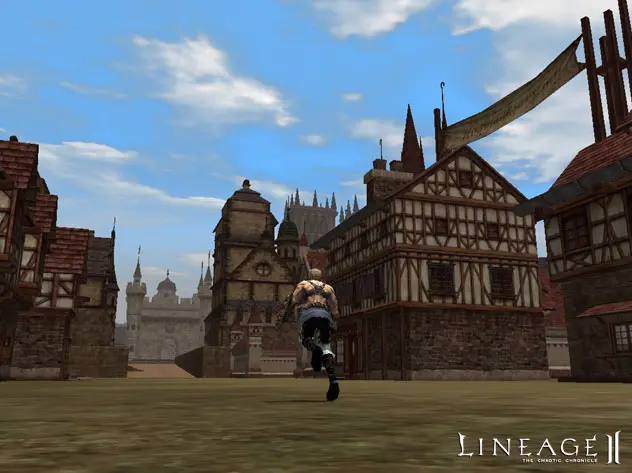
Master Lineage II Territory Wars and Castle Sieges. This guide provides strategies for these epic PvP encounters demanding planning and coordination.
Welcome, aspiring conquerors of Aden! This comprehensive guide will equip you with the knowledge and strategies needed to dominate in Lineage II's most epic PvP encounters: Territory Wars and Castle Sieges. These events are not merely battles; they are grand chess matches demanding meticulous planning, coordinated execution, and unwavering resolve. Prepare to etch your clan's name into the annals of history!
Understanding the Core Mechanics
Before diving into strategy, let's clarify the fundamental differences and shared elements:
- Castle Sieges: These are large-scale, pre-scheduled events where clans vie for control of a specific castle (e.g., Gludio Castle, Dion Castle, Giran Castle). The attacking side aims to register their clan banner on the castle's Holy Artifact within a time limit, while the defending side must protect it.
- Territory Wars: These occur more frequently and involve vying for control of specific territories (e.g., Gludio Territory, Dion Territory). The objective is to capture and hold specific "Ward" NPCs located within the territory. Control of a territory grants access to unique buffs, items, and the ability to participate in the Lord's Crown quest.
Preparing for Battle: The Foundation of Victory
Success in both Territory Wars and Castle Sieges begins long before the first arrow flies. Proper preparation is paramount.
1. Clan and Alliance Structure
- Leadership: A strong, decisive Clan Leader and strategists are essential. Clear communication channels (voice chat highly recommended) are non-negotiable.
- Roles: Assign specific roles to clan members:
- Frontline Tanks: Dark Avengers, Paladins, Temple Knights, Shillien Knights. Their job is to absorb damage and hold choke points.
- Damage Dealers (DDs): Spellhowlers, Sorcerers, Spellsingers, Hawkeyes, Silver Rangers, Phantom Rangers, Gladiators, Warlords, Tyrants, Destroyers. Focus fire on key targets.
- Healers/Buffers: Elven Elders, Shillien Elders, Prophets, Bishops. Keep the frontline alive and maintain critical buffs.
- Debuffers: Necromancers, Overlords, War Cryers. Cripple enemy defenses and attack power.
- Siege Weapon Operators: Engineers, Artisans (for Golems and Catapults).
- Alliance Coordination: If participating in an alliance, establish clear objectives and communication protocols with allied clan leaders. Avoid friendly fire and conflicting strategies.
2. Essential Consumables and Equipment
- HP/MP Potions: Stock up on Greater Healing Potions, Quick Healing Potions, and Greater Magic Potions. Consider using Elixirs of Life/Mana (A-Grade or S-Grade) for critical moments.
- Scrolls:
- Scroll of Escape: For quick retreats or repositioning.
- Scroll of Resurrection: For reviving fallen allies quickly.
- Blessed Scroll of Escape/Resurrection: Faster casting and no XP loss.
- Scroll of Battle/Magic: Temporary buffs to attack/cast speed.
- Scroll of Protection: Temporary defense buffs.
- Soulshots/Spiritshots: Ensure all damage dealers have a massive supply of Blessed Soulshots (for physical attackers) or Blessed Spiritshots (for magical attackers) appropriate to their weapon grade.
- Equipment:
- PvP Armor Sets: Prioritize sets with PvP damage reduction or bonus.
- PvP Weapons: Augment weapons with PvP bonuses if possible.
- Jewelry: Rings and earrings that boost Magic Resistance and reduce debuff duration are invaluable.
- Elemental Attributes: Ensure your gear is properly attributed to counter common enemy elements or boost your own.
3. Siege Weaponry (Castle Sieges Only)
- Siege Golems: Essential for breaking down castle walls and gates. Requires a Dwarf clan member with the "Create Item" skill and specific materials (e.g., Steel, Coarse Bone Powder, Varnish of Purity).
- Catapults: For ranged bombardment of enemy positions. Similar crafting requirements to Golems.
- Strategic Placement: Position Golems and Catapults out of immediate enemy melee range but within effective firing distance. Protect them with your frontline.
Castle Siege Walkthrough: Conquering the Fortress
Castle Sieges are a test of endurance and tactical prowess. Follow these steps for a higher chance of victory.
Phase 1: Registration and Pre-Siege Scouting
- Registration: Your clan leader must register for the siege at the designated Siege Manager NPC near the castle at least 24 hours before the siege begins.
- Scouting: Before the siege, thoroughly scout the castle's defenses. Identify weak points, choke points, and potential enemy spawn locations. Note the locations of the outer walls, inner walls, and the Holy Artifact.
- Gathering Point: Decide on a safe, easily defensible rally point outside the castle walls for your clan/alliance to gather.
Phase 2: Breaching the Outer Defenses
- Wall Assault: Deploy Siege Golems to target the weakest sections of the outer walls or the main gate. Protect your Golems with tanks and healers.
- Gate Breaching: If attacking the main gate, focus all ranged fire and Golem attacks on it. Once breached, quickly push through.
- Choke Point Control: As you breach, immediately establish control of the entry points. Tanks should hold the line while DDs eliminate defenders.
- Healer Protection: Always prioritize protecting your healers and buffers. They are prime targets for enemy assassins and mages.
Phase 3: Navigating the Inner Castle
- Inner Wall/Gate: Repeat the breaching process for any inner walls or gates.
- Tower Control: Some castles have defensive towers. Destroying these can weaken the castle's defenses or remove annoying AoE attacks.
- Path to the Holy Artifact: Identify the most direct and safest route to the Holy Artifact. Avoid unnecessary detours into heavily defended areas.
- Clearing the Path: Use AoE spells and coordinated attacks to clear out enemy defenders blocking your path.
Phase 4: Capturing the Holy Artifact
- Designated Capper: Assign a reliable, well-protected clan member (usually the Clan Leader or a trusted officer) to register the Holy Artifact. This process takes time and is interruptible by damage.
- Artifact Defense: Once the capper begins, all other clan members must form a defensive perimeter around them. Tanks should hold off melee attackers, while DDs eliminate ranged threats.
- Healer Focus: Healers must focus intensely on the capper and the immediate defenders.
- Counter-Siege: Be prepared for the defending clan's desperate counter-attacks. They will throw everything they have at you to stop the registration.
- Victory Condition: Successfully registering the Holy Artifact before the siege timer expires grants your clan ownership of the castle!
Territory War Walkthrough: Dominating the Land
Territory Wars are more fluid and often involve multiple objectives. Here's how to secure your territory.
Phase 1: Registration and Ward Acquisition
- Registration: Your clan leader must register for the Territory War at the designated Territory Manager NPC in the relevant town.
- Ward Locations: Familiarize yourself with the locations of all Ward NPCs within the territory. There are typically 3-5 Wards per territory.
- Initial Push: At the start of the war, immediately move to capture the closest Ward(s). Each Ward requires a clan member to "seal" it, similar to the Holy Artifact in a siege.
- Defensive Strategy: Once a Ward is sealed, a defensive structure (e.g., a Flag) will appear. Protect this structure from enemy clans attempting to unseal it.
Phase 2: Controlling and Defending Wards
- Ward Rotation: It's rare for one clan to hold all Wards simultaneously. Be prepared to rotate between defending currently held Wards and attacking enemy-held Wards.
- Strategic Grouping: Divide your clan into smaller, agile groups. One group can defend a Ward, another can attack, and a third can act as a mobile reserve.
- Scouting and Intel: Continuously scout enemy movements. Identify which Wards they are targeting and respond accordingly.
- Respawn Points: Be aware of the various respawn points within the territory. Use them to your advantage for quick redeployment.
Phase 3: using Territory Buffs and Items
Controlling a territory grants access to unique benefits:
- Territory Buffs: Speak to the Territory Manager NPC to receive powerful, temporary buffs (e.g., increased attack, defense, HP/MP regeneration) that are active within the territory.
- Territory Items: You can purchase special items from the Territory Manager, such as:
- Territory Badges: Currency earned from participating in Territory Wars, used to buy unique gear.
- Territory Weapons/Armor: Special equipment with unique stats or PvP bonuses.
- Territory Cloaks: Cosmetic and stat-boosting cloaks.
- Lord's Crown Quest: The clan leader of the controlling clan can undertake a special quest to obtain the Lord's Crown, granting additional prestige and benefits.
Phase 4: Victory Condition
The clan that controls the most Wards at the end of the Territory War timer is declared the victor and gains control of the territory until the next war.
Advanced Strategies for Both Events
- Feints and Diversions: Send a small, visible force to one objective to draw enemy attention while your main force attacks another.
- Flanking Maneuvers: Avoid direct frontal assaults if possible. Look for opportunities to flank enemy lines or attack from unexpected directions.
- Target Prioritization: During engagements, always prioritize enemy healers, buffers, and key damage dealers. Eliminating their support or primary damage sources will cripple their efforts.
- Debuff Stacking: Coordinate debuffers to stack multiple negative effects on high-priority targets.
- AoE Control: use area-of-effect (AoE) spells and skills to control choke points and clear out large groups of enemies.
- Siege Golem Protection (Sieges): Never leave your Siege Golems undefended. They are slow and vulnerable, but critical for breaching defenses.
- Communication is Key: Maintain constant, clear communication within your clan and alliance. Call out enemy positions, target changes, and critical events.
- Adaptability: Be prepared to change your strategy on the fly. The enemy will react to your moves, and you must be able to adapt to theirs.
- Morale: Keep morale high! Even in the face of setbacks, a determined and unified clan can turn the tide.
Mastering Territory Wars and Castle Sieges in Lineage II requires dedication, teamwork, and a deep understanding of game mechanics. By following these guidelines and continuously refining your strategies, your clan will be well on its way to becoming the dominant force on the continent of Aden!
100% Human-Written. AI Fact-Checked. Community Verified. Learn how AntMag verifies content