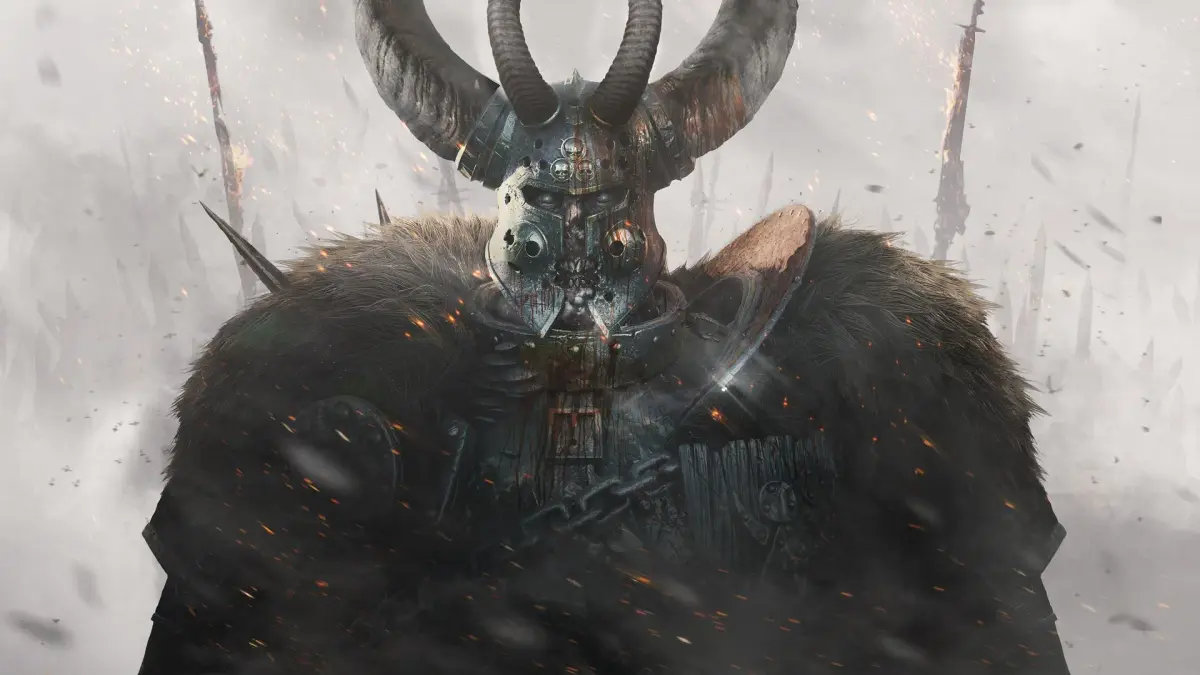

Understand Warhammer: Vermintide 2 weapon properties and damage types like Chaos, Skaven, and Unarmored. Optimize your loadout for Legend and Cataclysm.
Weapon Properties & Damage Types
Understanding how your weapons interact with the myriad of enemies in Warhammer: Vermintide 2 is crucial for survival, especially on higher difficulties like Legend and Cataclysm. This section will break down weapon properties, damage types, and how to leverage them for maximum efficiency.
Weapon Properties: Beyond Raw Damage
Each weapon in Vermintide 2 comes with a set of inherent properties that dictate its combat role. These aren't just numbers; they define how a weapon feels and performs against different threats.
- Cleave: This property determines how many enemies your attack can pass through, hitting multiple targets. High cleave weapons are excellent for crowd control.
- Example: Kruber's Executioner Sword boasts exceptional cleave, allowing him to carve through hordes of Skavenslaves and Clanrats with ease.
- Strategy: Position yourself to maximize cleave. Against a dense horde, aim for the center to hit as many enemies as possible.
- Stagger: Stagger refers to a weapon's ability to interrupt enemy attacks and movements. High stagger can save you from incoming damage and create openings.
- Example: Bardin's Cog Hammer excels at staggering even armored foes, making it a powerful tool for controlling elites.
- Strategy: Use high-stagger attacks, often charged attacks, to interrupt dangerous enemies like Stormvermin or Chaos Warriors before they can strike.
- Armor Penetration (AP): This is perhaps the most critical property against armored enemies. Weapons with high AP ignore a significant portion of an enemy's armor, dealing more direct damage.
- Example: Sienna's Flaming Sword has low AP on its light attacks but its charged attacks can cleave through lighter armor. For true AP, look to weapons like Kerillian's Spear or Saltzpyre's Rapier (on its stab attacks).
- Strategy: Always prioritize AP weapons or attacks against armored targets. A headshot with an AP weapon will often one-shot weaker elites.
- Crit Chance/Crit Power: Critical hits deal increased damage. Some weapons naturally have higher critical strike chances or deal more damage on a critical hit.
- Example: Kerillian's Dual Daggers have a naturally high critical strike chance, making them excellent for burst damage.
- Strategy: Combine high crit chance weapons with talents that further boost critical hits, such as Swift Slaying on your melee weapon or Scrounger on your ranged weapon for ammunition regeneration.
Damage Types: Exploiting Weaknesses
While not explicitly labeled in-game, enemies in Vermintide 2 have varying resistances and weaknesses to different damage types. Understanding these interactions is key to optimizing your loadout.
- Normal Damage: The baseline damage dealt by most attacks. Effective against unarmored and lightly armored enemies.
- Enemies Affected: Skavenslaves, Clanrats, Fanatics, Gors, Ungors.
- Strategy: Most light attacks from any weapon will deal normal damage. Focus on cleave and headshots to maximize efficiency against these hordes.
- Armored Damage: Damage specifically designed to bypass or reduce the effectiveness of armor. This is where Armor Penetration comes into play.
- Enemies Affected: Stormvermin, Chaos Warriors, Mauler, Plague Monks, Bestigors.
- Strategy: Use weapons with high AP, such as Kruber's Greatsword (charged attacks), Bardin's Greataxe, or Saltzpyre's Billhook (heavy attacks). Aim for headshots to bypass armor entirely.
- Super Armor Damage: A special category for the toughest elites and monsters. These enemies have extremely high damage resistance, and only specific attacks or properties are truly effective.
- Enemies Affected: Chaos Spawn, Rat Ogre, Bile Troll, Stormfiend, Minotaur, Nurgloth the Undying (boss).
- Strategy: Focus on sustained damage with high AP weapons, or burst damage from careers like Waystalker (Kerillian) with Trueflight Volley or Bounty Hunter (Saltzpyre) with Locked and Loaded. Explosives like Grenades are also highly effective.
- Monster Damage: While not a distinct damage type, some talents and properties specifically boost damage against monsters.
- Example: The Monster property on trinkets or necklaces can provide a flat damage bonus against all monsters.
- Strategy: If your team struggles with monsters, consider equipping items with this property or choosing careers with monster-killing potential.
Actionable Steps for Loadout Optimization
- Identify Your Role: Are you primarily a horde clearer, elite killer, or monster damage dealer? Your weapon choices should reflect this.
- Balance Your Loadout: Aim for a melee weapon that handles one threat well (e.g., horde clear) and a ranged weapon that covers the other (e.g., elite/special killer).
- Example: A Kruber with an Executioner Sword for cleave might pair it with a Handgun for precise elite elimination.
- Examine Weapon Stats in the Keep: Hover over weapons in your inventory to see their detailed stats, including cleave, stagger, and armor penetration values.
- Test in the Training Grounds: The Training Grounds in the Keep (accessible via the portal near Olesya) is invaluable. Spawn different enemy types (Skavenslaves, Stormvermin, Chaos Warriors, even a Rat Ogre) and test your weapon's performance. Pay attention to damage numbers and how quickly enemies are dispatched.
- Consider Talents and Properties: Many talents enhance weapon properties or damage types. For instance, a talent that grants bonus damage on headshots will synergize well with high AP weapons. Look for weapon properties like Power vs. Skaven or Power vs. Chaos to further specialize your damage.
100% Human-Written. AI Fact-Checked. Community Verified. Learn how AntMag verifies content