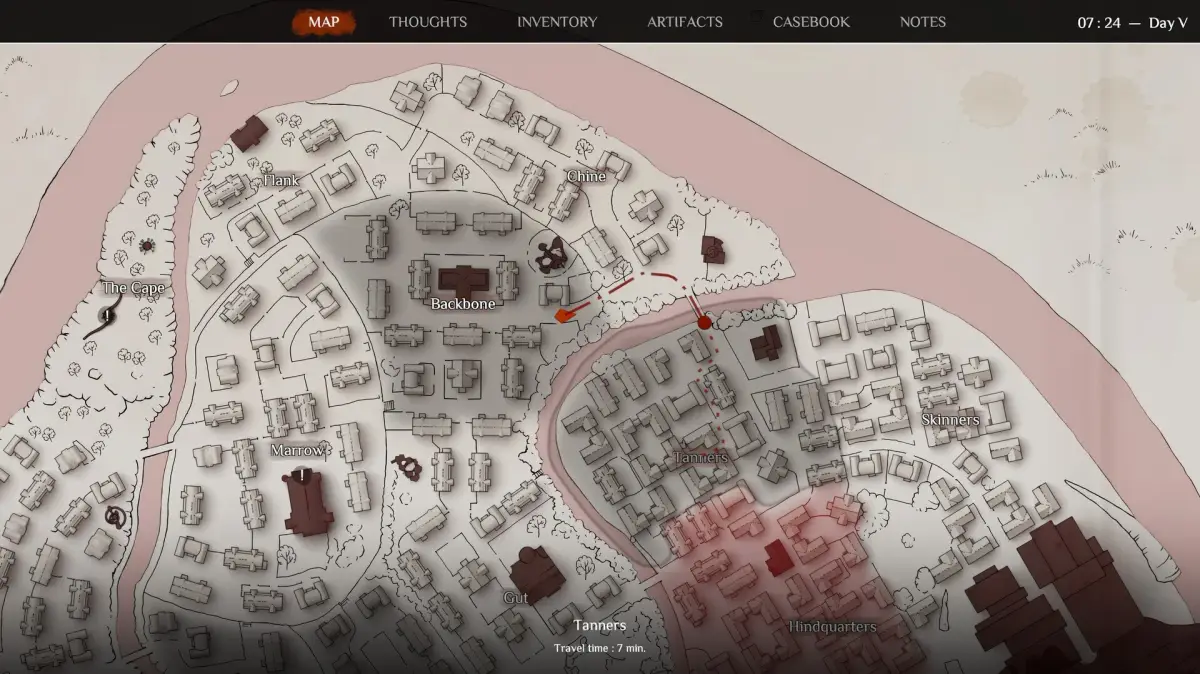
Understand germ dispersal in Pathologic 3: Quarantine. Learn about airborne, contact, and environmental transmission, and strategies for mitigating infection.
Germ dispersal is a fundamental mechanic in Pathologic 3: Quarantine, directly influencing the spread of the plague and the challenges players face. Understanding how germs spread is crucial for survival, allowing players to make informed decisions about movement, hygiene, and interaction with the environment and its inhabitants.
Germ dispersal in Pathologic 3: Quarantine is key to plague spread. Understanding how germs spread informs movement, hygiene, and interactions, crucial for player survival.
Mechanisms of Germ Dispersal
The plague in Pathologic 3 spreads through various means, often influenced by environmental factors and character actions:
- Airborne Transmission: The most common form of dispersal. Infected individuals exhale airborne particles containing the pathogen. Proximity to infected people or areas with high concentrations of the pathogen increases risk.
- Contact Transmission: Direct physical contact with infected individuals, their bodily fluids, or contaminated surfaces can lead to infection. This includes touching infected people, handling contaminated items, or walking through infected puddles.
- Environmental Contamination: Germs can persist in the environment, particularly in areas with high concentrations of infected individuals or where bodily fluids have been expelled. This includes streets, homes, and public spaces.
- Vector Transmission (Potential): While not always explicitly detailed, some diseases can be spread by vectors like insects or rodents. The game might imply or feature such mechanisms, especially in certain environments.
- Object Contamination: Items, tools, food, and water can become contaminated if exposed to infected individuals or environments. Consuming contaminated food or water, or using contaminated tools, can lead to infection.
Factors Influencing Dispersal
- Population Density: Densely populated areas, like the town's market or residential districts, will naturally have a higher rate of germ dispersal due to increased interaction.
- Hygiene Practices: The lack of proper hygiene among the townspeople (and the player) significantly accelerates germ dispersal. This includes not washing hands, not disposing of waste properly, and not disinfecting surfaces.
- Weather and Environment: Certain weather conditions might affect germ dispersal. For example, rain could wash away some germs, while wind could spread them further. The presence of organic matter or standing water can also be a factor.
- Character Actions: The player's own actions play a significant role. Moving through infected areas without protection, interacting with infected individuals without caution, or neglecting personal hygiene can contribute to germ dispersal.
- Plague Mutation: As the game progresses, the plague might mutate, potentially altering its primary modes of dispersal or increasing its infectivity.
Player Strategies for Mitigation
- Maintain Personal Hygiene: Regularly use disinfectants on yourself and your items. Wash your hands whenever possible.
- Use Protective Gear: Wear masks and gloves when venturing into highly infected areas or interacting with sick individuals.
- Avoid Contaminated Areas: If possible, steer clear of locations with high concentrations of infected people or visible ss of contamination.
- Scavenge Safely: Be cautious when picking up items. Disinfect food and water before consumption.
- Isolate Infected Individuals (if possible): If you have the means, try to isolate infected NPCs to prevent further spread, though this is often difficult within the game's mechanics.
- Information Gathering: Pay attention to rumors and NPC dialogue regarding areas of high infection or specific transmission risks.
- Strategic Movement: Plan your routes to minimize exposure. Sometimes, taking a longer but safer path is more beneficial than a direct but risky one.
Visual Cues
The game often provides visual cues to indicate germ dispersal and infection risk:
- Visual Indicators: Infected characters may exhibit visible symptoms. Certain areas might have visual indicators of contamination (e.g., stains, debris).
- Sound Des: Coughing, wheezing, and other sounds can alert players to the presence of infected individuals.
- UI Elements: Your character's infection level and status effects will be displayed on the UI, indicating your current risk.
100% Human-Written. AI Fact-Checked. Community Verified. Learn how AntMag verifies content