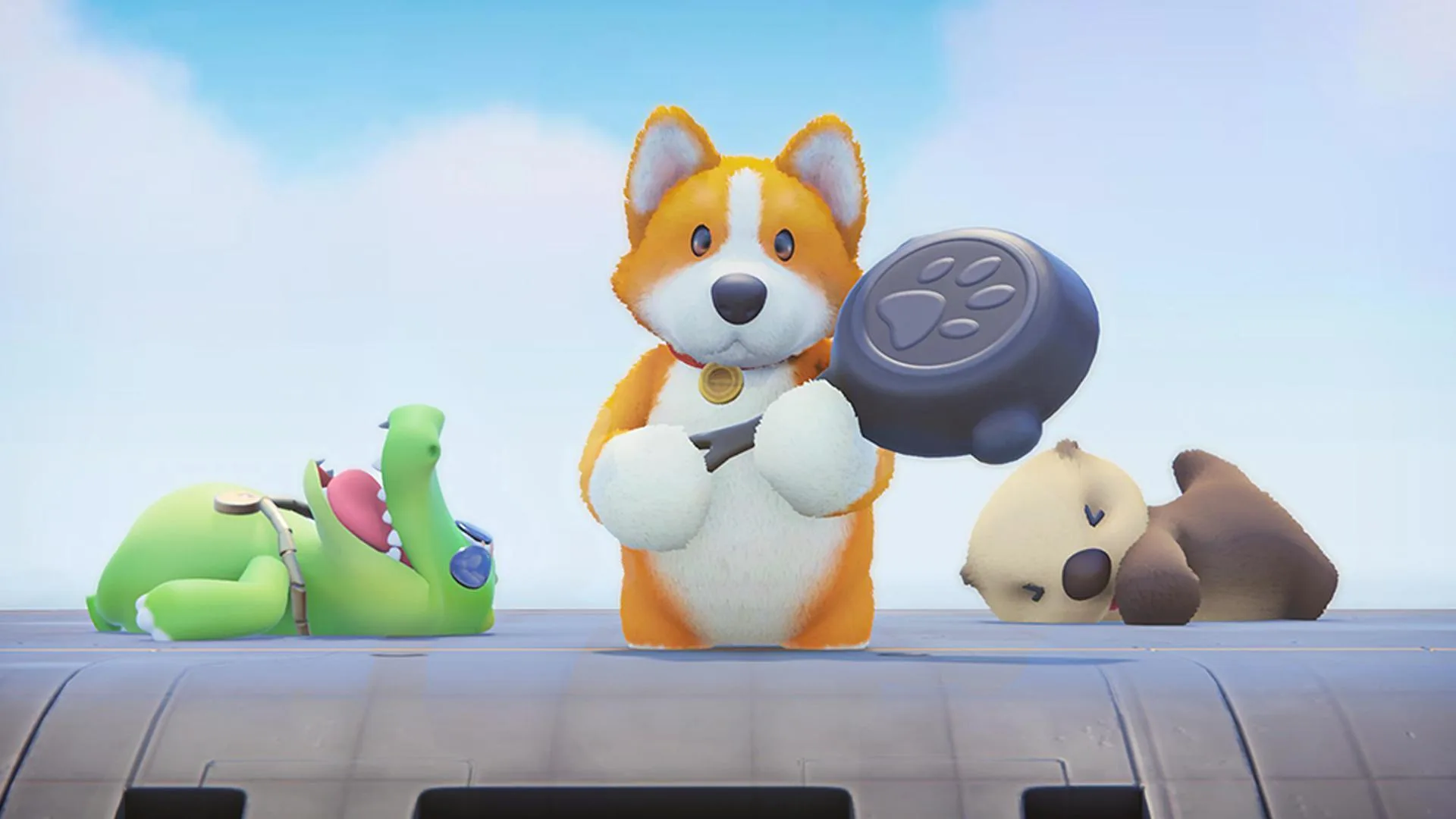
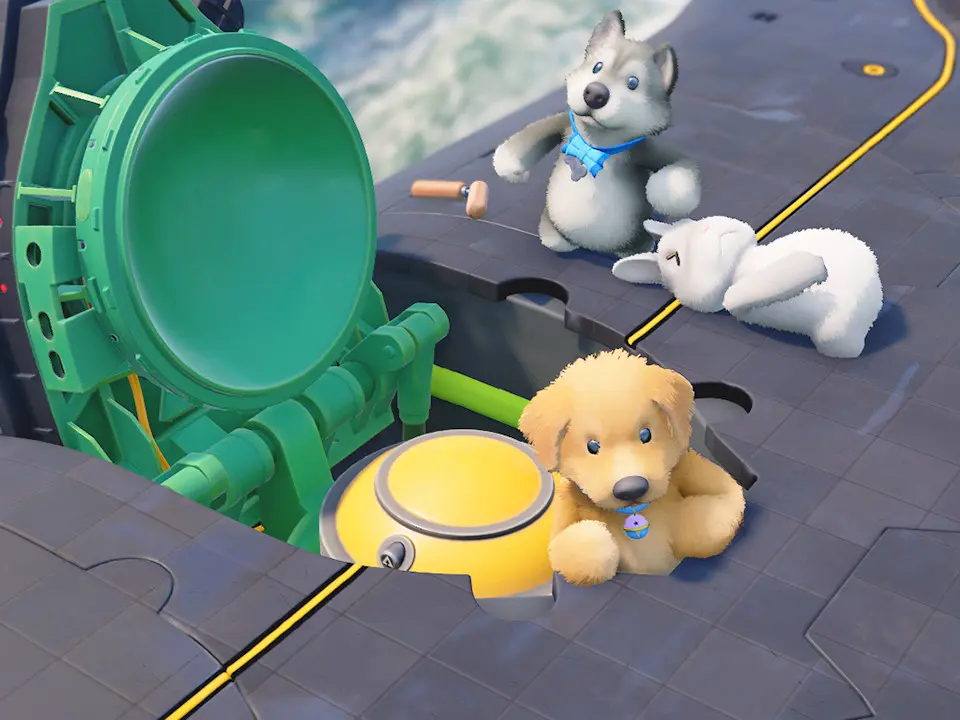
Party Animals lacks RPG-style skill trees. Focus on mastering the physics engine and environmental interactions for victory. Learn unique mechanics.
In Party Animals, the chaotic, physics-based brawler, there are no traditional "Skill Trees" or "Talents" in the RPG sense. You won't be allocating skill points to unlock new abilities or passive buffs for your chosen animal character. The game's core mechanics revolve around player skill, environmental interaction, and mastering the unique, often hilarious, physics engine.
Instead of skill trees, your "progression" and "mastery" in Party Animals come from:
- Character Familiarity: Understanding the subtle differences in hitboxes, weight, and movement speed between the various animal characters.
- Environmental Awareness: Learning the unique hazards, interactive elements, and strategic choke points of each map.
- Weapon Proficiency: Discovering which weapons suit your playstyle and how to effectively use them in different situations.
- Physics Mastery: Developing an intuitive feel for the game's ragdoll physics, allowing you to execute precise (or hilariously imprecise) maneuvers, throws, and attacks.
Character-Specific Traits & Abilities (The Closest Thing to "Talents")
While there are no unlockable talents, each animal character in Party Animals possesses inherent traits that subtly influence gameplay. These are not "abilities" you activate, but rather passive characteristics that define their feel and potential strategies. Understanding these can be crucial for competitive play.
Character Trait Overview
Below is a breakdown of how different characters might feel or perform, based on their design. the developers aim for a balanced experience, so these differences are often subtle and can be overcome by player skill.
| Character Name | Appearance/Archetype | Perceived Trait (Gameplay Impact) | Strategic Implications |
|---|---|---|---|
| Nemo (Corgi) | Small, agile-looking dog | Agility/Small Hitbox: Potentially harder to hit, quicker recovery from stuns. | Excellent for dodging, quick grabs, and escaping dangerous situations. May struggle with direct brawling against heavier foes. |
| Macchiato (Cat) | Sleek, nimble cat | Balance/Precision: Good all-rounder, perhaps slightly better grip or less prone to falling. | Reliable choice for most maps and situations. Focus on precise attacks and environmental manipulation. |
| Harry (Duck) | Fluffy, round duck | Buoyancy/Recovery: Might recover faster from being thrown into water or off ledges. | Good for maps with environmental hazards. Can be surprisingly resilient in chaotic situations. |
| Valiant (Gorilla) | Large, powerful gorilla | Strength/Weight: Potentially higher throw distance, more resistant to being moved. | Ideal for direct combat, throwing opponents, and holding ground. Can be a larger target. |
| Tiagra (Tiger) | Muscular, agile tiger | Speed/Pounce: Potentially faster movement or a more effective pounce attack. | Great for closing distances quickly, surprise attacks, and hit-and-run tactics. |
| Coco (Crocodile) | Heavy, sturdy crocodile | Durability/Grip: Might be harder to dislodge from ledges, stronger bite/grab. | Excellent for defensive play, grappling, and preventing opponents from escaping. |
| Ottis (Otter) | Slippery, quick otter | Evasion/Fluidity: Could have slightly less friction, making them harder to grab or hold onto. | Focus on quick movements, escaping grapples, and using the environment to your advantage. |
| Fuzhou (Panda) | Chubby, endearing panda | Resilience/Sturdiness: Might have slightly more health or be less susceptible to knockouts. | Good for prolonged engagements, soaking up damage, and outlasting opponents. |
| Kiko (Kitten) | Tiny, adorable kitten | Small Size/Agility: Similar to Nemo, but perhaps even more pronounced. | Excels at hiding, maneuvering through tight spaces, and being an elusive target. |
| Barbie (Bunny) | Bouncy, energetic bunny | Jump Height/Recovery: Potentially higher jumps or quicker recovery from falls. | Great for vertical maps, escaping pits, and surprising opponents from above. |
Note: These "traits" are based on community observation and the general feel of the characters. The developers prioritize fun and balance, so direct statistical advantages are usually minimal and often offset by other factors. The true "skill" comes from adapting your playstyle to your chosen animal and the current match conditions.
Mastering the Core Mechanics (Your True "Skill Tree")
Instead of investing points, you invest time in learning and perfecting the fundamental actions of Party Animals. This is where your true "skill tree" lies.
Movement & Positioning
- Walking/Running: Basic movement. Learn when to sprint for speed and when to walk for precision.
- Dodge Roll: A quick evasive maneuver. Essential for avoiding attacks, closing gaps, or repositioning. Master its timing.
- Jumping: Crucial for navigating platforms, reaching higher ground, and initiating aerial attacks.
- Climbing: Grab onto ledges and pull yourself up. This is vital for recovery and map traversal.
- Crawling: Get low to avoid projectiles or sneak under obstacles.
Offensive & Defensive Techniques
- Light Attack (Punch/Kick): Quick, low-damage attacks that can interrupt opponents or set up combos.
- Heavy Attack (Headbutt/Dropkick): Slower, higher-damage attacks that can stun or knock back foes. Risky if missed.
- Grabbing: The cornerstone of combat. Grab opponents to hold them, throw them, or prevent them from moving.
- Single Grab: Hold with one hand. Allows you to still move and attack with the other.
- Double Grab: Hold with both hands. Immobilizes you but gives you maximum control over your opponent for throws.
- Throwing: Once grabbed, you can throw opponents. The direction and force depend on your input and how long you hold the throw. Mastering throws off ledges or into hazards is key.
- Lifting/Carrying: Pick up stunned opponents or objects. This is how you interact with many map-specific objectives.
- Pouncing: A forward leap that can knock down opponents. Great for initiating combat or closing distance.
- Blocking/Parrying: While not a traditional block, sometimes holding a specific stance or weapon can deflect attacks. Experiment with weapon positioning.
- Weapon Usage: Each weapon (lollipops, shovels, baseball bats, crossbows, etc.) has unique attack patterns and damage.
- Melee Weapons: Vary in reach, swing speed, and knockback. Learn which ones you prefer.
- Ranged Weapons (Crossbow): Limited ammo, but can be devastating. Master aiming under pressure.
Environmental Interaction
Every map is a "talent" in itself, offering unique opportunities and challenges. Your ability to exploit these is a major part of your skill.
- Leveraging Hazards: Push opponents into pits, off cliffs, into acid, or under moving trains.
- Using Interactive Elements: Activate levers, open doors, ride platforms, or break through weak walls.
- Weapon Spawns: Learn where powerful weapons appear and prioritize grabbing them.
- Objective Play: In game modes like "Team Score," understanding how to carry and score objectives while fending off enemies is paramount.
Advanced "Talent" Strategies & Common Pitfalls
To truly excel, move beyond basic button mashing and develop strategic thinking.
Strategic Tips
- Target Priority: In team modes, focus on opponents carrying objectives or those who are low on health/stunned.
- Environmental Kills: Always look for opportunities to throw opponents off the map. This is often more reliable than trying to knock them out with punches.
- Weapon Control: If you have a powerful weapon, try to deny it to your opponents. Throw it away, or better yet, throw them away.
- Teamwork (in Team Modes):
- Guard the Objective Carrier: Protect your teammate who has the objective.
- Distract & Divide: Engage opponents to draw their attention away from your objective-focused teammates.
- Coordinated Throws: Two players grabbing and throwing an opponent can be devastating.
- Recovery: If you're falling, try to grab onto a ledge or another player to save yourself. Don't give up!
- Feinting & Dodging: Learn to bait opponents into attacking, then dodge and counter-grab.
- Weapon Disarming: Punching or throwing an opponent can make them drop their weapon. Capitalize on this.
Common Pitfalls to Avoid
- Over-Committing: Don't rush into a group of enemies alone, especially if they have weapons.
- Ignoring Objectives: In objective-based modes, focusing solely on brawling will often lead to defeat.
- Holding onto Weapons Too Long: Sometimes, it's better to drop a weapon to grab an opponent or climb. Don't be afraid to discard it if it's hindering you.
- Predictable Attacks: Vary your attacks. Don't just spam punches; mix in grabs, throws, and heavy attacks.
- Forgetting About the Environment: Many players get tunnel vision on their opponents and forget about the moving platforms, collapsing floors, or open pits around them.
- Panicking When Grabbed: Wiggle your controls and try to break free. Don't just let yourself be thrown.
Conclusion
While Party Animals doesn't feature traditional RPG skill trees, your journey to becoming a master of the arena is a continuous process of learning, adapting, and refining your control over the game's unique physics. Your "talents" are your quick reflexes, your strategic mind, and your ability to turn chaos into victory. So, pick your favorite animal, jump into the fray, and start building your real-world skill tree!
100% Human-Written. AI Fact-Checked. Community Verified. Learn how AntMag verifies content