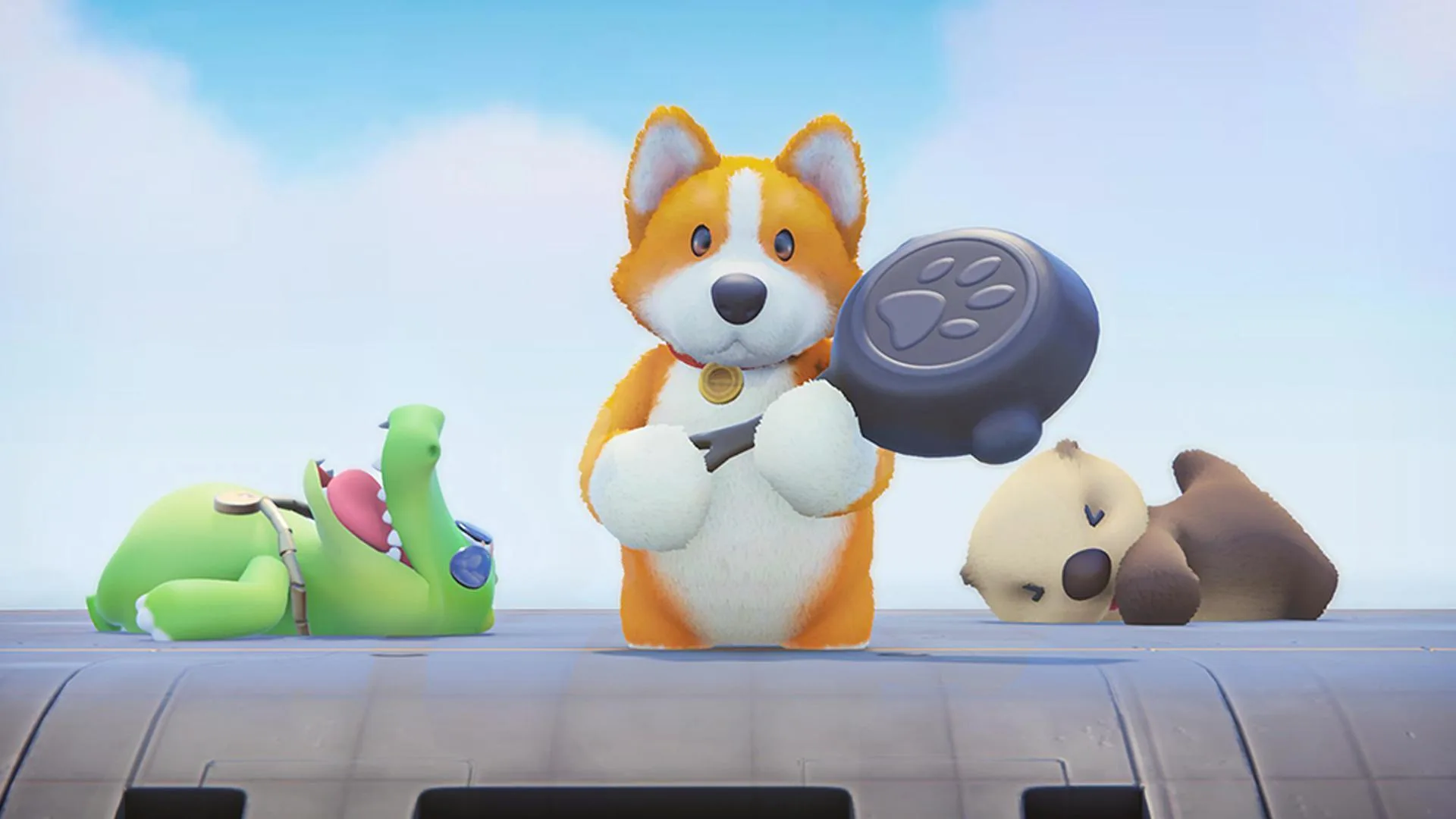
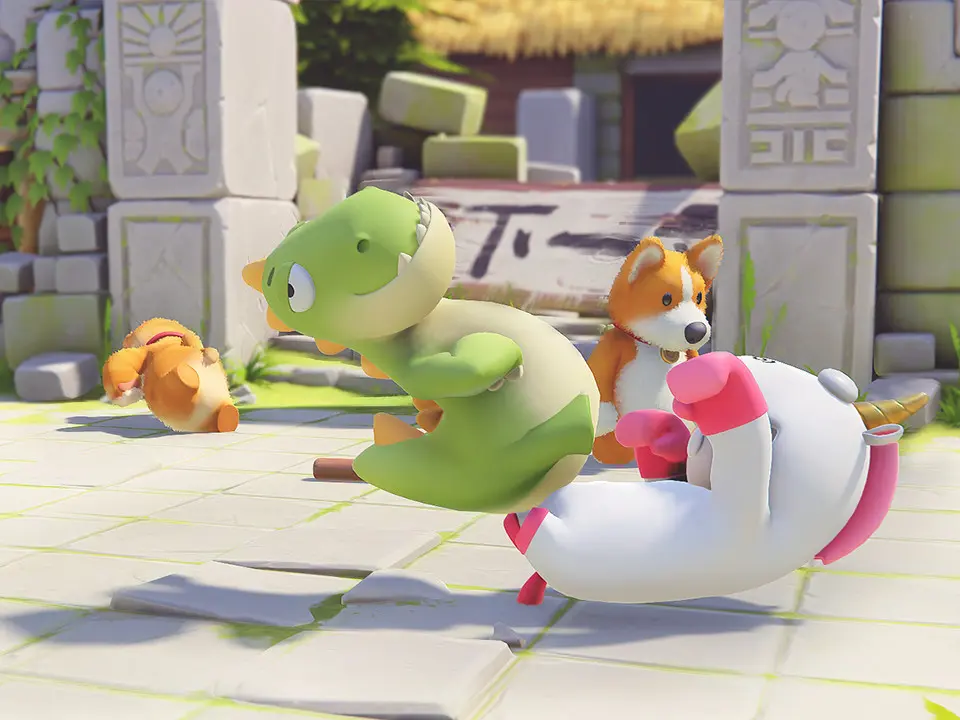
In Party Animals, focus on player-versus-player combat. This physics-based brawler emphasizes adorable animals duking it out with no complex NPCs or factions.
"Party Animals": Understanding Your Opponents (and Allies!)
"Party Animals" is a physics-based brawler where adorable, yet fiercely competitive, animals duke it out to be the last one standing. Unlike traditional RPGs, there are no complex NPCs to interact with or factions to join. The game's core revolves around player-versus-player (PvP) combat, or player-versus-AI (PvE) in offline modes. This section will clarify the "NPCs" you'll encounter – primarily the AI opponents – and how to approach the various "factions" of animal characters, each with their own unique characteristics.
The "NPCs": AI Opponents in Offline Modes
When playing offline or in custom games with AI bots, these computer-controlled characters serve as your primary "NPCs." They are designed to mimic player behavior, offering a challenging experience without needing human opponents. Understanding their difficulty levels and general tactics is key to honing your skills.
AI Difficulty Levels
The AI in "Party Animals" can be adjusted to provide varying levels of challenge. Familiarize yourself with these settings to tailor your training or casual play experience.
- Easy:
- Behavior: Often predictable, less aggressive, and slower to react to environmental hazards or player attacks. They may struggle with complex maneuvers like wall-climbing or precise throws.
- Strategy Tip: Good for new players to learn controls and map layouts without overwhelming pressure. Focus on basic attacks and environmental interactions.
- Normal:
- Behavior: More reactive, will attempt basic combos, and are generally more aware of their surroundings. They might try to grab and throw you, or utilize simple weapon attacks.
- Strategy Tip: A solid challenge for intermediate players. Practice dodging, countering grabs, and utilizing weapons effectively.
- Hard:
- Behavior: Aggressive, skilled at dodging, and capable of executing more complex maneuvers and weapon combos. They will actively try to throw you off the map or into hazards.
- Strategy Tip: Excellent for advanced players looking to refine their combat skills. Pay attention to their attack patterns, learn to anticipate their moves, and master advanced techniques like headbutts and dropkicks.
General AI Tactics to Counter
Regardless of difficulty, AI opponents share some common behavioral patterns you can exploit:
- Predictable Grabs: AI often telegraphs grabs. If an AI is moving directly towards you and not attacking, prepare to counter-grab or dodge.
- Environmental Awareness (Limited): While they use environmental hazards, their pathing can sometimes be exploited. Lure them near edges or traps.
- Focus Fire: In team modes, AI might sometimes "focus fire" on a single player. Use this to your advantage by drawing their attention while teammates attack.
- Weapon Prioritization: AI will often prioritize picking up and using weapons. If you see an AI heading for a weapon, try to intercept them or disarm them quickly.
The "Factions": Animal Characters & Their Playstyles
While not traditional factions, the diverse cast of animal characters in "Party Animals" can be thought of as different "factions" based on their visual design, perceived weight, and the playstyles they tend to encourage. Each animal, despite sharing the same core moveset, has a unique aesthetic that can subtly influence player choice and strategy.
Understanding Character Archetypes (Visual & Perceived Weight)
All characters in "Party Animals" share the same hitbox and base stats. However, their visual design can lead to perceived differences in weight or agility, which players often subconsciously factor into their strategy. There are no "stronger" or "faster" characters in terms of raw stats, but their appearance can influence how players approach combat.
Below is a table outlining some popular characters and the common perceptions associated with them:
| Character Name | Animal Type | Common Perception / Playstyle Encouraged | Strategy Implications |
|---|---|---|---|
| Nemo | Dog (Corgi) | Cute, agile, "underdog" feel. Often chosen for its endearing appearance. | Players might feel more inclined to be evasive or use quick, opportunistic attacks. |
| Macchiato | Cat | Sleek, nimble, mischievous. Appeals to players who enjoy a quick, darting playstyle. | Encourages hit-and-run tactics, quick grabs, and environmental exploitation. |
| Harry | Duck | Clumsy, wobbly, but surprisingly resilient. Often chosen for comedic effect. | Players might lean into "tanking" hits or using their perceived bulk to push opponents. |
| Tiagra | Tiger | Powerful, ferocious, dominant. Favored by players who enjoy aggressive, direct combat. | Can lead to more direct, brawling approaches, focusing on strong attacks and throws. |
| Valiente | Alligator | Heavy, strong, intimidating. Often seen as a character for powerful grabs and throws. | Players might prioritize grappling and throwing opponents off the map. |
| Ottis | Gorilla | Massive, brute strength. Appeals to players who want to feel like a powerhouse. | Encourages aggressive pushing, ground pounds, and powerful weapon swings. |
| Fennie | Fox | Sly, cunning, agile. Chosen by players who prefer strategic positioning and trickery. | Promotes using the environment, feints, and precise attacks. |
| Coco | Crocodile | Similar to Valiente, but often perceived as slightly more agile. | Mix of aggressive brawling and opportunistic grabs. |
Leveraging Character Perception (Psychological Warfare)
While character choice doesn't alter stats, it can influence how opponents perceive you and how you perceive yourself:
- Intimidation Factor: Playing a large, "strong" animal like Ottis or Valiente might psychologically intimidate some opponents, making them more cautious.
- Underdog Mentality: Choosing a smaller, "cuter" animal like Nemo or Macchiato can sometimes lead opponents to underestimate you, which you can then exploit.
- Personal Comfort: Ultimately, choose the character you enjoy playing the most. Your comfort and confidence with your chosen animal will have a greater impact on your performance than any perceived stat difference.
No Traditional Factions: The True "Party Animals" Dynamic
It's crucial to reiterate that "Party Animals" does not feature traditional RPG factions with allegiances, quests, or reputation systems. The "factions" are purely conceptual, representing the different animal characters and their associated playstyle archetypes. The game's dynamic is entirely based on the immediate interactions between players (or players and AI) in a chaotic, physics-driven arena. Every match is a fresh start, and your only goal is to outlast your opponents.
Key Takeaways for "NPCs & Factions" in Party Animals:
- AI are your "NPCs": In offline modes, AI bots are your primary non-player characters. Understand their difficulty levels and common tactics to improve your skills.
- Characters are "Factions": Each animal character represents a visual archetype that can influence perceived playstyles, though all characters share the same core stats.
- No Lore-Based Factions: There are no overarching lore-based factions or allegiances in the game. The focus is purely on competitive, physics-based combat.
- Master the Mechanics, Not the Lore: Success in "Party Animals" comes from mastering the game's physics, combat mechanics, and environmental interactions, not from understanding complex NPC relationships or faction politics.
100% Human-Written. AI Fact-Checked. Community Verified. Learn how AntMag verifies content