Understand the inspirations behind Chivalry: Medieval Warfare. Learn how the Hundred Years' War influences its skill-based combat and tactical decisions.
Historical Accuracy & Inspirations
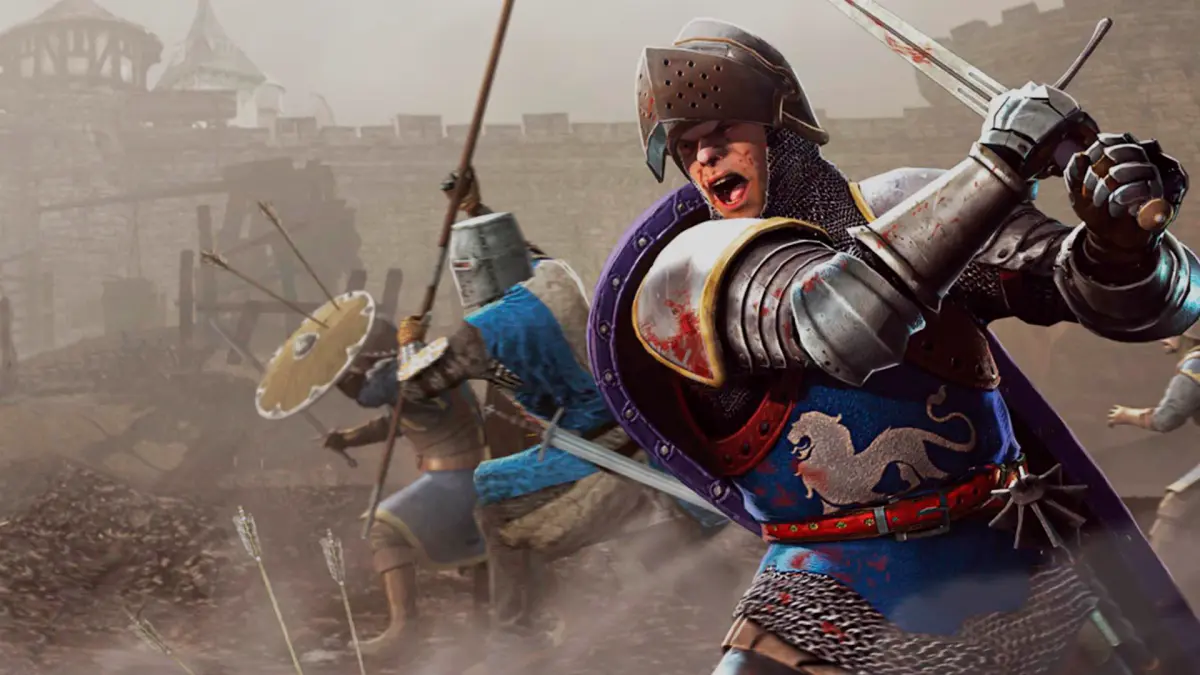
While Chivalry: Medieval Warfare prioritizes visceral, skill-based combat and chaotic fun, it draws heavily from historical medieval warfare, particularly the Hundred Years' War and the broader European late medieval period. Understanding these inspirations can not only deepen your appreciation for the game but also inform your tactical decisions on the battlefield.
Weaponry and Armor
The game features a wide array of historically-inspired weapons and armor. While not every piece is a 1:1 replica, the general types and their in-game mechanics reflect their real-world counterparts:
- Longswords & Greatswords: These iconic two-handed weapons, like the in-game Greatsword or Longsword, were versatile and capable of delivering powerful cuts and thrusts. Their slower swing speed in-game reflects the effort required to wield them effectively.
- Axes & Polearms: Weapons such as the Battle Axe, Halberd, and Poleaxe were devastating against armored opponents due to their concentrated impact. In-game, these weapons excel at dealing high damage and often have good reach, making them excellent for crowd control or breaking through enemy lines.
- Bows & Crossbows: The Longbow and Crossbow were crucial ranged weapons. The Longbow's faster firing rate in-game mirrors its historical use by skilled archers, while the Crossbow's higher damage and slower reload time reflect its penetrating power and mechanical nature.
- Plate Armor: The heavy armor worn by Knights and Vanguards in-game, such as the Plate Cuirass and Plate Gauntlets, is directly inspired by late medieval full plate armor. Historically, this armor offered excellent protection, making direct hits less lethal – a concept reflected in the game's damage reduction mechanics for armored classes.
Siege Warfare & Objectives
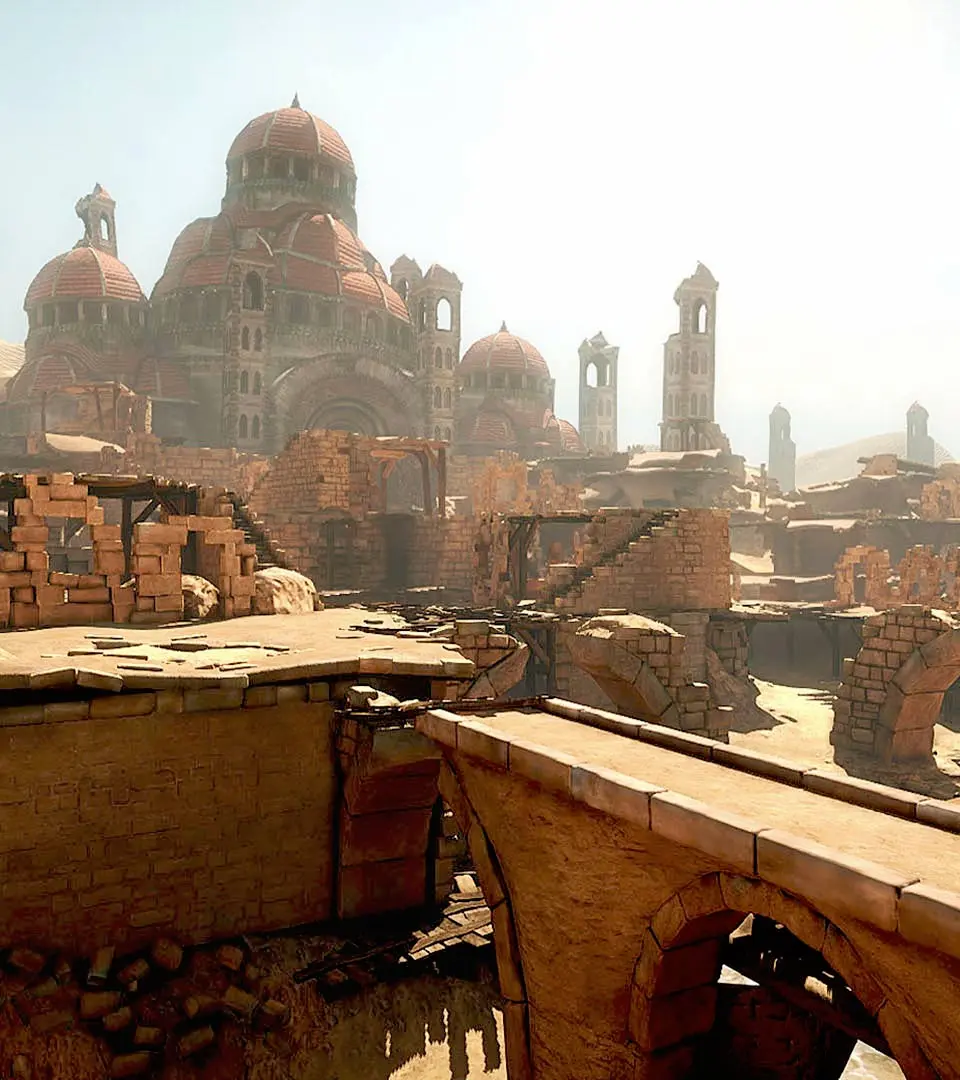
Many of Chivalry's objective-based maps are directly inspired by historical siege tactics and battlefield scenarios:
- Catapults & Ballistas: These siege engines, found on maps like Stonehill or Darkforest, were vital for breaking down fortifications and scattering enemy formations. In-game, mastering their use can turn the tide of a battle, just as they did historically.
- Ramming Gates: The objective of pushing a Battering Ram to breach castle gates, seen on maps like Stonemason's Bay, is a classic siege maneuver. Defenders historically poured boiling oil or shot arrows from above, mirrored by the game's defensive positions and environmental hazards.
- Burning Villages: Objectives involving setting fire to enemy structures, such as the village in Darkforest, reflect the scorched-earth tactics sometimes employed during medieval conflicts to deny resources to the enemy.
- Protecting Royalty: The VIP escort objective, where players must protect a designated "King" or "Duke," is reminiscent of the importance placed on protecting high-value targets in medieval battles, whose capture or death could demoralize an army.
Tactical Considerations
While gameplay is fast-paced, several historical tactical elements can be observed and exploited:
- Formations (Informal): Although not explicitly supported by game mechanics, players naturally form loose "lines" or "wedges" when pushing objectives or defending chokepoints. Historically, disciplined formations were key to battlefield success.
- Flanking: Just as in real medieval combat, flanking maneuvers are incredibly effective in Chivalry. Sending a small group of Vanguards or Man-at-Arms to attack an enemy line from the side can cause chaos and break their defense.
- Archer Suppression: Historically, archers were vulnerable to cavalry charges or direct infantry assaults once their ammunition was depleted or their protective screens were broken. In-game, focusing on eliminating enemy archers with fast classes like the Man-at-Arms or Vanguard can significantly reduce incoming damage to your front line.
By understanding these historical underpinnings, You can not only enjoy the game's brutal combat but also gain a deeper appreciation for the era it represents, potentially even improving their strategic play.
100% Human-Written. AI Fact-Checked. Community Verified. Learn how AntMag verifies content