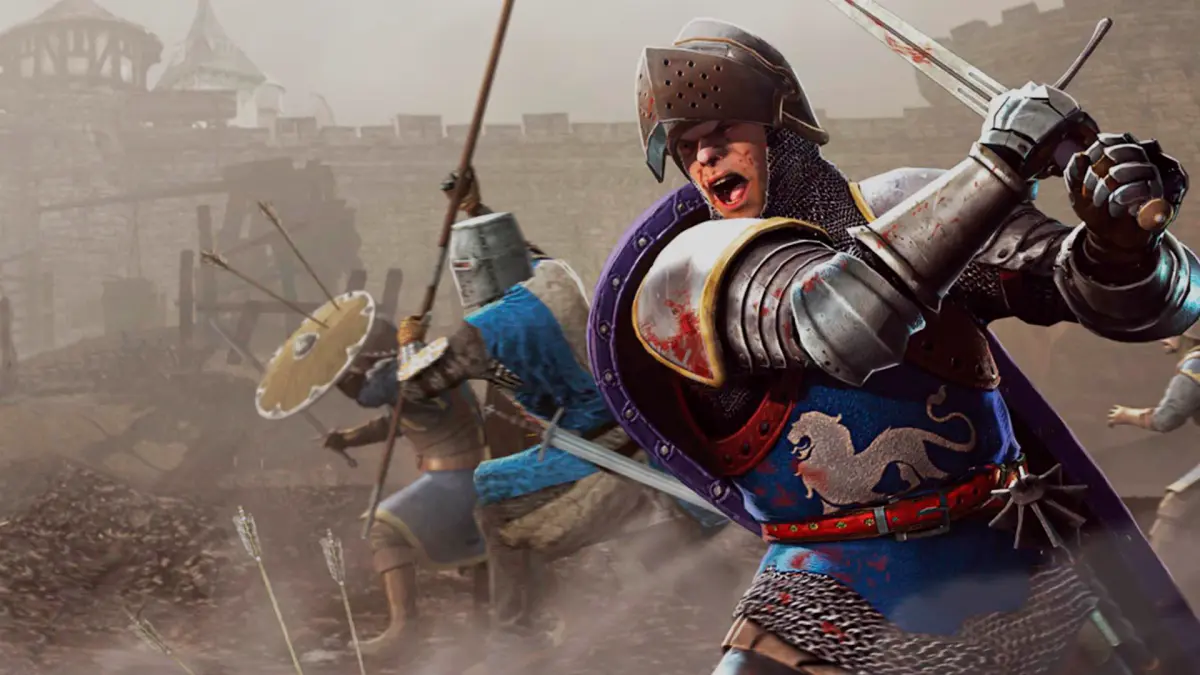
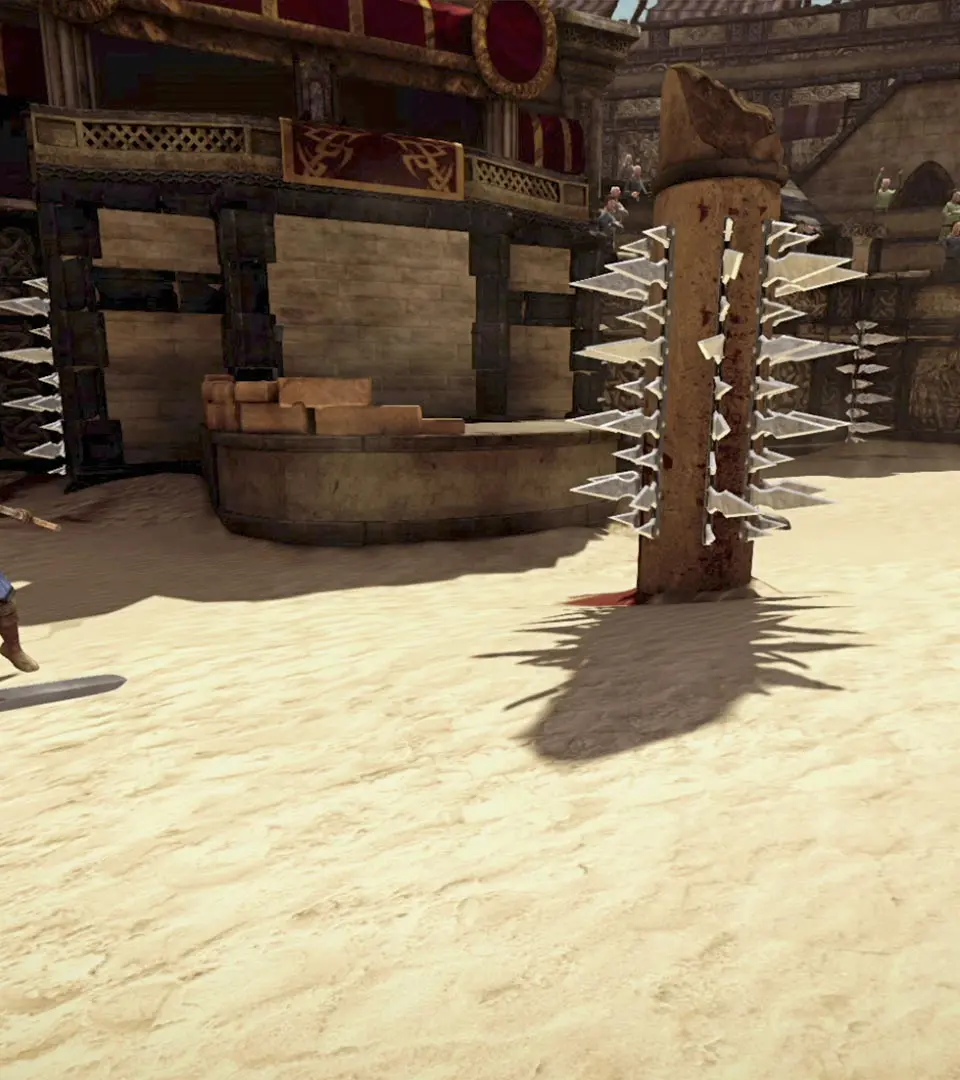
Understand Chivalry: Medieval Warfare's game modes. Learn about player-versus-player combat and practice options for new and veteran players.
While Chivalry: Medieval Warfare is primarily an online multiplayer experience, offering countless hours of intense medieval combat, understanding its various game modes is crucial for new and veteran players alike. There is no traditional single-player campaign or story mode; the game focuses entirely on player-versus-player (PvP) combat. However, there are options to practice and familiarize yourself with the mechanics before diving into the chaos of live servers.
Training & Offline Play
For those looking to hone their skills or simply practice without the pressure of live opponents, Chivalry offers a few key options:
- Tutorial: This is your first stop. The tutorial provides essential guidance on the game's unique combat system. You'll learn about the three basic attack types (overhead, side-by-side, and jab swings), how to feint attacks to trick opponents, and the importance of timed blocking. Mastering these fundamentals here will significantly improve your survivability in actual matches.
- Bot Mode: If you prefer to practice against AI opponents, the bot mode allows you to play against CPU-controlled characters. This is an excellent way to experiment with different weapon types (e.g., a short and fast weapon for close quarters versus a javelin and giant polearm for open maps), class abilities, and map layouts without the high stakes of a live server. While bots don't perfectly replicate human players, they offer valuable target practice and help you understand weapon ranges, damage, and speed.
Online Multiplayer Modes
The heart of Chivalry: Medieval Warfare lies in its diverse online multiplayer modes, accessible via the server list. Each mode offers a distinct objective and tactical challenge:
Team Objective (TO)
This is arguably the most popular and iconic game mode in Chivalry: Medieval Warfare. Team Objective maps feature a series of sequential objectives that one team (the attackers) must complete, while the other team (the defenders) must prevent them from succeeding. The objectives are dynamic and often change the flow of battle, requiring teams to adapt their strategies and class compositions on the fly. Success in Team Objective requires strong teamwork, understanding the flow of the map, and adapting your class choice to the current objective. For example, a Vanguard with a polearm might be excellent for defending a siege engine, while an Archer can provide crucial cover fire from a distance.
Common objectives you will encounter include:
- Pushing a Siege Engine: Attackers must escort a battering ram or siege tower to a designated gate or wall. Defenders must destroy the engine or eliminate all attackers within its proximity to halt its progress. This often involves intense melee brawls around the engine itself.
- Destroying Key Structures: Attackers use explosives (like a petard or a bomb) or siege weapons (catapults, ballistas) to demolish enemy barricades, gates, or other strategic points. Defenders must protect these structures and prevent the attackers from planting or detonating their explosives.
- Capturing Control Points: Teams must hold specific areas on the map for a set amount of time. These points are often strategically located and require sustained presence from one team to secure. Overtime mechanics often kick in if the point is contested at the last second.
- Killing High-Value Targets (HVT): Attackers must eliminate specific enemy NPCs (e.g., a King or a Duke) or, in some maps, a designated player who becomes the HVT. Defenders must protect the HVT at all costs. This objective often leads to a climactic final stand.
- Burning Villages/Structures: Attackers use flaming pots or torches to set structures ablaze. Defenders must extinguish the fires or prevent attackers from reaching the ignition points.
- Pillaging Gold/Resources: Attackers might need to collect and transport items (like gold sacks) from one point to another, while defenders try to intercept them.
Strategy Tip for TO: Always check the objective! Don't just run into the fray. If you're an attacker and the objective is to push a siege engine, stay near it. If you're a defender and the objective is to protect a Duke, stick close to him. Class selection is also vital; a Knight is excellent for holding a choke point, while a Man-at-Arms can quickly flank and disrupt enemy lines.
Team Deathmatch (TDM)
Team Deathmatch is a straightforward and often chaotic game mode where two teams, the Agatha Knights and the Mason Order, battle to achieve a set number of kills before the timer runs out or the opposing team reaches the kill limit. TDM maps are typically smaller and more focused on direct combat encounters, making them excellent for practicing individual combat skills and understanding class matchups without complex objectives. The team that reaches the kill limit first, or has the most kills when the timer expires, wins the round.
- Objective: Accumulate the most kills as a team.
- Respawn: Players respawn after a short delay upon death.
- Maps: Often takes place on smaller, arena-like maps or sections of larger Team Objective maps.
Strategy Tip for TDM: Focus on staying alive and securing kills. Work with your teammates, but don't be afraid to engage in one-on-one duels. Pay attention to the kill feed to understand the flow of battle and identify high-value targets on the enemy team.
Free-For-All (FFA)
In Free-For-All, there are no teams, and every player is an enemy. Your sole objective is to kill as many opponents as possible and be You with the highest score when the round ends or the kill limit is reached. This mode is a pure test of individual skill and situational awareness, as you'll constantly be watching your back for opportunistic attackers. It's a fantastic way to master feints, blocks, and weapon timing against unpredictable opponents, as you can't rely on teammates for support.
- Objective: Get the most kills individually.
- Respawn: Players respawn after a short delay upon death.
- Maps: Similar to TDM, often on smaller, enclosed maps.
Strategy Tip for FFA: Maintain constant awareness of your surroundings. Avoid engaging multiple enemies at once unless you have a significant advantage. Use the environment to your benefit, like narrow corridors for choke points or elevated positions for ranged attacks. Don't be afraid to retreat if outnumbered.
Last Team Standing (LTS)
Last Team Standing is a tense and highly strategic mode where two teams face off, and players only have one life per round. The last team with players remaining wins the round. This mode emphasizes careful positioning, coordinated pushes, and the critical importance of staying alive. A single mistake or an uncoordinated charge can cost your team the round, making it one of the most tactical experiences in Chivalry. Rounds are typically short and intense, leading to dramatic finishes.
- Objective: Be the last team with players alive.
- Respawn: No respawns until the next round.
- Maps: Can be on various maps, often with a focus on open areas for initial clashes.
Strategy Tip for LTS: Communication and teamwork are paramount. Stick with your team, protect your archers, and focus fire on isolated enemies. Avoid overextending or rushing into unfavorable engagements. Consider your class choice carefully; a Knight's durability can be crucial, while a Man-at-Arms' speed can allow for quick flanking maneuvers.
Duel
For those who want to test their one-on-one combat prowess in a more formal setting, Duel servers are the place to be. While not a structured game mode with official objectives in the same way as TO or TDM, Duel servers operate under an unspoken code of conduct. Players typically line up and challenge each other in a series of fair fights, often bowing or saluting before engaging. This is the ultimate proving ground for mastering footwork, parrying, ripostes, and weapon-specific techniques against other skilled players. It's an excellent environment for learning and improving without the chaos of larger battles.
- Objective: Defeat your opponent in a fair one-on-one fight.
- Rules: Typically player-enforced; common etiquette includes waiting your turn, no ganking, and respecting the outcome.
- Maps: Often on custom maps designed for dueling, or smaller, isolated sections of official maps.
Strategy Tip for Duel: Focus on understanding your opponent's attack patterns, feinting to open them up, and mastering counter-attacks. Learn the reach and speed of different weapons. Don't be afraid to experiment with different classes and weapon combinations to find what suits your style best.
100% Human-Written. AI Fact-Checked. Community Verified. Learn how AntMag verifies content