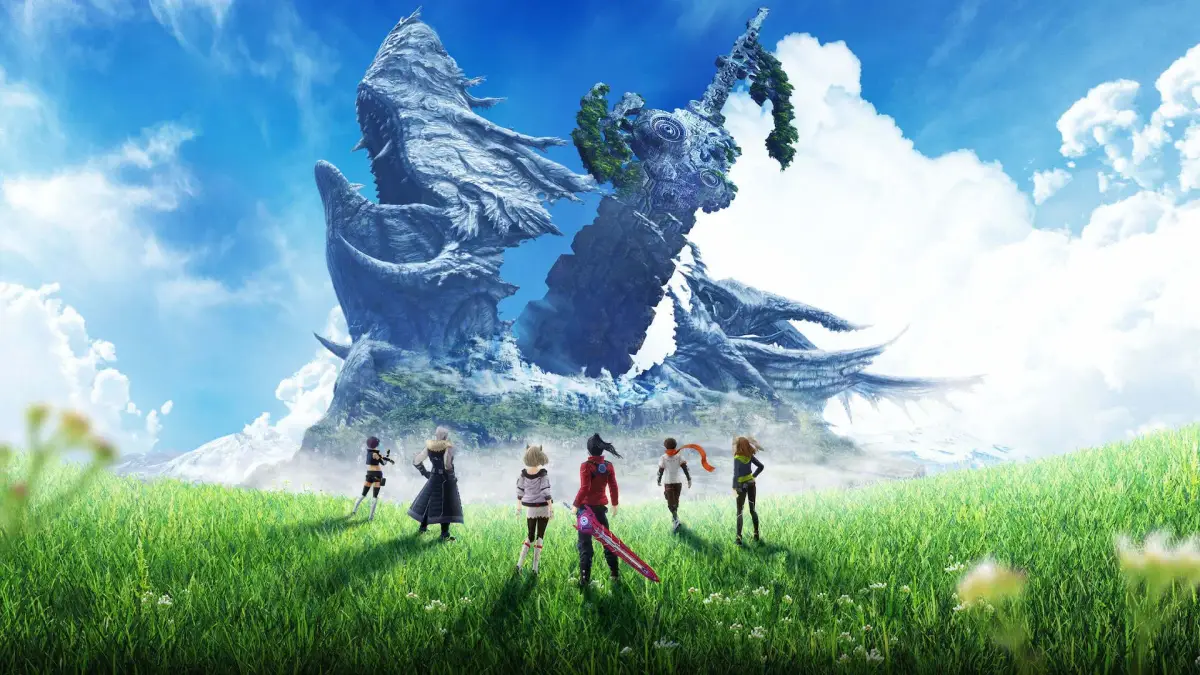
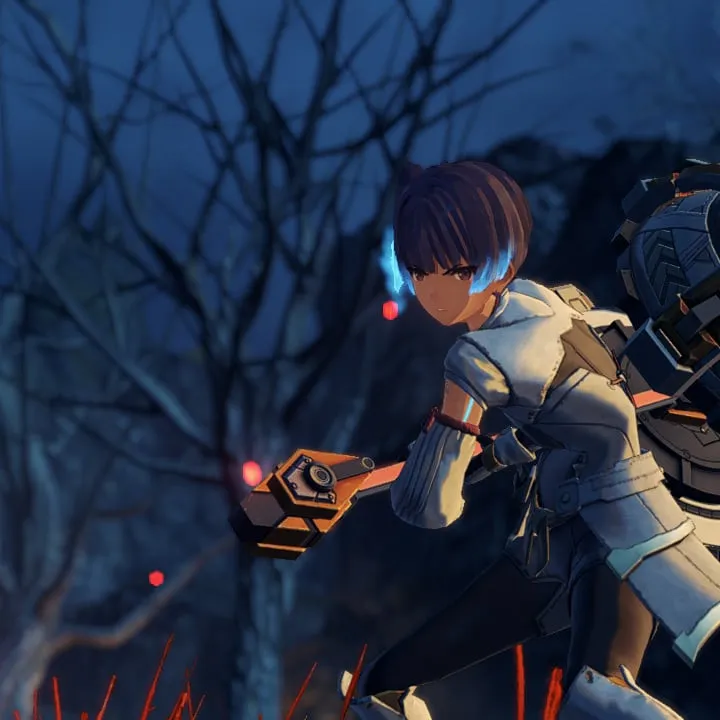
Master the combat system of Xenoblade Chronicles 3. Learn how to optimize party potential by understanding.
Welcome, Ouroboros, to the intricate world of Aionios' combat system! Mastering Classes and Arts is paramount to your success against Kevesi and Agnian forces, as well as the myriad of unique monsters lurking in every region. This section will guide you through optimizing your party's combat potential.
Understanding Classes
Each character in Xenoblade Chronicles 3 begins with a specific class, but the true depth of the system lies in its flexibility. Characters can swap classes at any time outside of combat, allowing for dynamic party compositions. Classes are broadly categorized into three roles:
- Attacker: Focuses on dealing high damage. Examples include the Swordfighter (Noah's starting class) and the Zephyr (Mio's starting class). Attackers often have Arts that inflict Break, Topple, or Launch, setting up powerful combos.
- Defender: Specializes in drawing enemy aggro and mitigating damage. Lanz's Heavy Guard and Sena's Ogre are prime examples. Defenders are crucial for protecting squishier party members and maintaining battle flow.
- Healer: Concentrates on restoring HP, removing debuffs, and providing buffs. Eunie's Medic Gunner and Taion's Tactician excel in this role. A well-placed healing Art can turn the tide of a difficult encounter.
As you progress through the story and recruit Heroes, you'll unlock new classes for your main party members. Each Hero's class can be inherited by your main characters once you've raised their class rank sufficiently. To check your class rank and unlock new classes, navigate to the "Characters" menu, then "Classes."
Class Progression & Inheritance
To unlock a Hero's class for a main character, you must first raise that Hero's class rank with their original wielder. For instance, to unlock the "Flash Fencer" class (derived from Valdi) for Noah, Noah must spend time in the party with Valdi, and Valdi's Flash Fencer class must reach a certain rank (typically Rank 10 for full inheritance). Once inherited, other characters can then learn and master that class through combat experience.
- Mastery Bonus: Reaching Class Rank 10 with any class grants a permanent stat bonus to the character who mastered it, regardless of their currently equipped class. This encourages experimenting with all available classes.
- Class Points (CP): CP is earned through combat and is used to level up classes. Stronger enemies and chain attacks yield more CP. Consider using accessories like the Nopon Strap (found in the Aetia Region, specifically near the Gura Flank landmark) to boost CP gain.
Arts: Your Combat Toolkit
Arts are the special abilities characters use in combat. They are tied to classes and can be customized extensively. There are two main types of Arts:
- Class Arts: These are specific to the currently equipped class. Each class has a set of unique Arts that define its role and combat style. For example, the Swordfighter's "Edge Thrust" is a powerful single-target attack, while the Medic Gunner's "Healing Ring" restores HP to allies in an area.
- Master Arts: These are Arts learned from other classes that a character has mastered. Once a character reaches Class Rank 10 with a particular class, they can equip one of its Arts as a Master Art, regardless of their current class. This allows for incredible customization and synergy.
Optimizing Your Art Setup
Strategic Art selection is crucial for maximizing your party's effectiveness. Here's how to approach it:
- Role Fulfillment: Ensure each character has Arts that align with their primary role. Your Defender needs aggro-generating Arts (e.g., Lanz's "Shield Bash"), your Healer needs healing Arts (e.g., Eunie's "Myopic Screen"), and your Attackers need damage-dealing Arts (e.g., Noah's "Sword Strike").
- Combo Potential: Pay close attention to Arts that inflict status effects like Break, Topple, Launch, and Smash. These are the foundation of powerful Driver Combos.
- Break: Often inflicted by Attackers. Look for Arts with a purple icon.
- Topple: Follows Break. Many Defenders and some Attackers have Topple Arts (blue icon).
- Launch: Follows Topple. Typically inflicted by Attackers (green icon).
- Smash: Follows Launch. High damage finisher, usually from Attackers (red icon).
A classic combo might involve Noah's "Edge Thrust" (Break), Lanz's "Shield Bash" (Topple), Sena's "Crushing Blow" (Launch), and then Mio's "Gale Slash" (Smash).
- Fusion Arts: Once you unlock the ability to fuse Arts (typically after Chapter 2), you can combine a Class Art with a Master Art. This allows you to activate two Arts simultaneously, often with enhanced effects or reduced cooldowns. Experiment with different combinations to find potent synergies. For example, fusing a healing Art with a defensive buff can make your Healer more resilient.
- Talent Arts: Each class has a unique Talent Art that charges up over time or through specific actions. These are often powerful abilities that can turn the tide of battle. Learn how each class's Talent Art charges and when to best deploy it. For example, Noah's "Unlimited Sword" Talent Art provides a significant damage boost.
Art Upgrading
Arts can be upgraded using Nopon Coins (Silver and Gold). Upgrading an Art increases its power, reduces its cooldown, or enhances its secondary effects. Prioritize upgrading Arts that are core to your strategy or frequently used. You can upgrade Arts from the "Characters" menu, then "Arts."
- Silver Nopon Coins: Primarily used for upgrading Class Arts. Found by defeating unique monsters, completing quests, and opening containers.
- Gold Nopon Coins: Used for upgrading Master Arts and for more significant upgrades. Rarer than Silver Nopon Coins, often found from challenging unique monsters or specific quest rewards.
By understanding the nuances of classes and Arts, you'll be well-equipped to face any challenge Aionios throws your way. Don't be afraid to experiment with different setups and find what works best for your playstyle!
100% Human-Written. AI Fact-Checked. Community Verified. Learn how AntMag verifies content