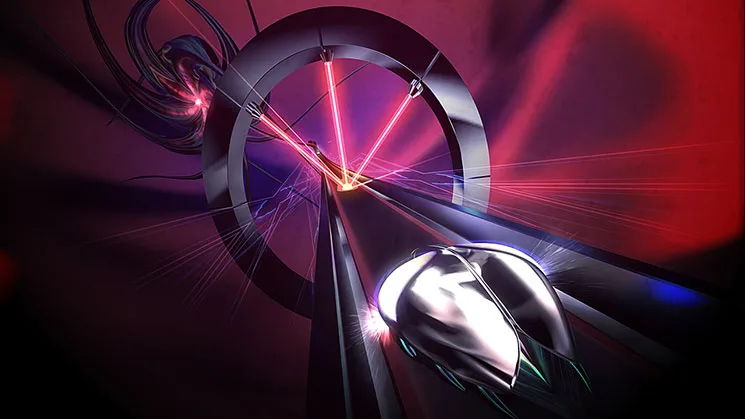

Master Thumper's frantic rhythm gameplay by understanding its critical sound design cues, audio warnings, and rhythmic indicators for survival.
In Thumper, sound is not merely an aesthetic layer; it is an integral part of the gameplay, serving as a crucial guide and a rhythmic anchor. Mastering the game often means learning to "play by ear," recognizing specific audio cues that precede actions, indicate success, or warn of impending danger. Turning off the music or sound effects, while possible, is highly discouraged as it removes vital feedback necessary for optimal performance, especially in later, more complex levels.
Understanding the Rhythmic Language
Every action in Thumper – from hitting a beat plate to grinding a rail – has a distinct sound. These sounds are not random; they are meticulously designed to align with the game's intense, percussive soundtrack. By internalizing these audio patterns, you can anticipate obstacles and execute perfect maneuvers even before they fully appear on screen.
- Beat Plates (Standard): The most fundamental sound is the sharp, resonant "thump" when you successfully hit a standard beat plate. A missed beat plate results in a dull, hollow sound, often accompanied by visual distortion, indicating a lost shield.
- Rail Grinds: As your space beetle grinds along a rail, you'll hear a sustained, metallic scraping sound. This sound changes subtly when you transition from a straight grind to a curve. Pay attention to the rising or falling pitch during curves, as it often signals the direction of the upcoming turn.
- Wall Slams: Successfully slamming into a wall (by holding the action button during a turn) produces a satisfying, impactful "CRUNCH." This sound is your confirmation that you've executed the maneuver correctly and will maintain your speed and shield. A mistimed slam will result in a weaker sound and a shield loss.
- Spike Obstacles: Approaching spikes is heralded by a distinct, high-pitched whirring or buzzing sound that intensifies as you get closer. This is your primary audio warning to prepare for a dodge or jump.
- Laser Walls: Laser walls emit a low, humming drone that grows louder as you near them. This sound is often accompanied by a visual pulse, but the audio cue can give you an earlier heads-up, especially when navigating complex sections at high speed.
- Boss Encounters: Each boss introduces unique sonic elements to the track, often incorporating their own "voice" or specific attack patterns into the rhythm. Learning these boss-specific sound cues is paramount for anticipating their attacks and identifying their weak points.
Actionable Audio Strategies
Early Warning System
Think of the sound design as an advanced warning system. Many obstacles have associated sounds that precede their visual appearance or the moment you need to react. This is particularly useful in sections with heavy visual effects or when the speed becomes overwhelming.
- Pre-emptive Turns: On levels with rapid, consecutive turns, listen for the subtle shifts in the rail grind sound. The pitch will often rise or fall slightly just before a curve, giving you a fraction of a second more to prepare your thumb for the turn.
- Spike Anticipation: The whirring of spikes often begins before they are fully visible. If you hear this sound and don't immediately see the spikes, mentally prepare for an upcoming dodge or jump. This allows you to maintain your rhythm without breaking flow to visually search for the threat.
Rhythm and Flow Maintenance
The sounds of successful actions create a continuous, satisfying rhythm. If this rhythm breaks, it's an immediate auditory cue that you've made a mistake or are out of sync. Use this feedback to instantly adjust.
- Perfect Beat Chains: Strive for a continuous chain of "thumps" and "crunches." Any deviation from this perfect sonic tapestry indicates a dropped beat or a mistimed maneuver, prompting you to regain your focus.
- Shield Loss Indication: The distinct, jarring sound of a shield breaking is a critical cue. It tells you immediately that you've taken damage and need to be extra cautious, as the next hit will result in death. This sound is often accompanied by a visual flash, but the audio is more immediate and less distracting.
Boss-Specific Cues
Boss battles in Thumper are highly choreographed, and their sound design is a key part of this choreography.
- Attack Patterns: Bosses often have unique audio signatures for their attacks. For example, a particular "growl" or "shriek" might precede a projectile volley, while a deep "thrum" could indicate a ground pound. Learn these specific sounds to predict and react to their offensive moves.
- Vulnerability Windows: When a boss becomes vulnerable, there's often a distinct change in the background music or a specific sound effect that highlights the opportunity to strike. This might be a high-pitched whine, a sudden silence, or a new rhythmic element that signals your window to attack.
By actively listening and integrating these sound cues into your gameplay, you'll find yourself not just reacting to Thumper, but truly anticipating and flowing with its relentless rhythm. Good luck, space beetle!
100% Human-Written. AI Fact-Checked. Community Verified. Learn how AntMag verifies content