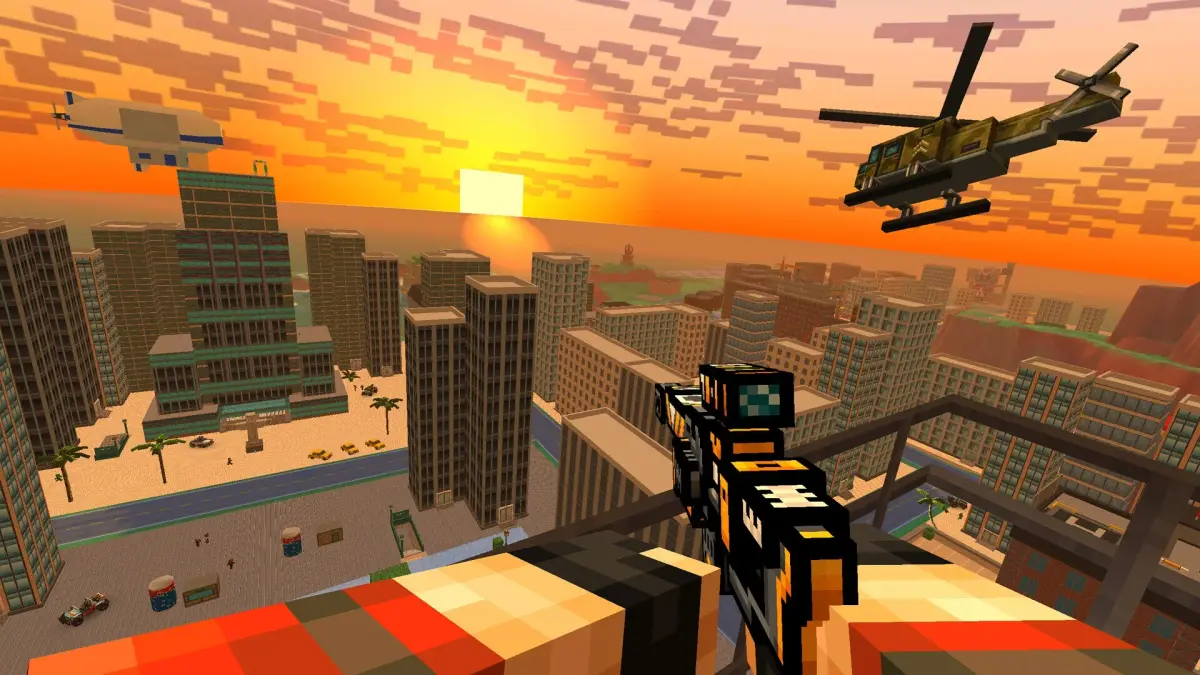
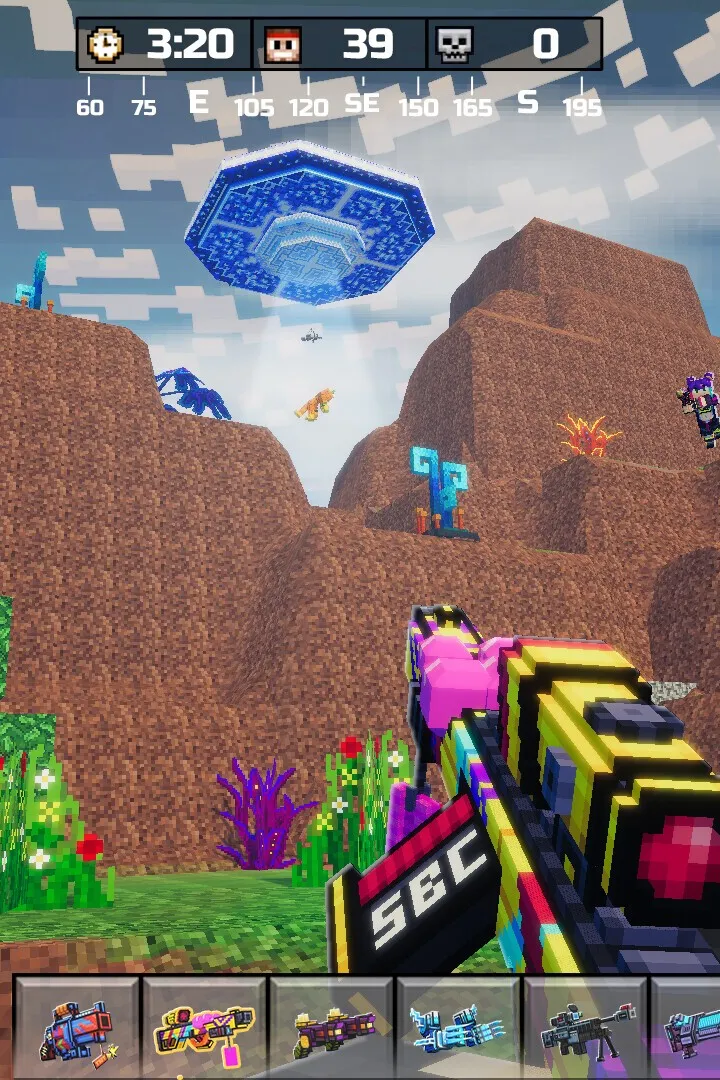
Pixel Gun 3D: PC Edition lacks traditional player classes, focusing instead on extensive weapon and gadget selection for combat customization.
Player Classes: Mastering Your Combat Archetype in Pixel Gun 3D: PC Edition
Pixel Gun 3D: PC Edition, while renowned for its vast arsenal of unique and often outlandish weaponry, does not feature a traditional, pre-defined player class system in the same vein as many RPGs or tactical shooters. Instead, the game emphasizes player choice and customization through its extensive weapon and gadget selection, allowing players to effectively create their own combat archetypes and specialize their playstyle. This means that while you won't select "Assault" or "Medic" at the character creation screen, you can absolutely embody these roles through your loadout and strategic decisions.
The core of player specialization in Pixel Gun 3D: PC Edition lies in the intelligent combination of weapons, armor, gadgets, and sometimes even cosmetic items that offer passive bonuses. You can adapt their loadout to excel in various combat scenarios, effectively fulfilling roles that would typically be assigned to distinct classes in other games.
Emulating Class Roles Through Loadout Customization
Here's how you can build loadouts to embody common class archetypes:
1. The Frontline Aggressor (Assault/Breacher)
This archetype focuses on pushing forward, engaging enemies at close to medium range, and dealing consistent damage. They are the spearhead of any offensive push.
-
Primary Weapon: High fire rate, close-to-medium range weapons.
- SMGs: e.g., "Storm," "Piranha," "Hellraiser." Excellent for spraying down enemies in tight corridors.
- Assault Rifles: e.g., "AK-47," "M4A1," "Riot Gun." Versatile for both close and medium engagements.
- Shotguns: e.g., "Combat Shotgun," "Devastator." Devastating at point-blank range.
-
Secondary Weapon: A reliable backup for when your primary runs dry or for quick swaps.
- Pistols: e.g., "Desert Eagle," "Revolver." Good damage for their size.
- Compact SMGs: e.g., "Mini-SMG."
-
Melee Weapon: For desperate close-quarters situations or quick kills.
- Knives: e.g., "Combat Knife."
- Axes/Swords: e.g., "Katana," "Machete."
-
Armor: Prioritize armor that offers good damage resistance without significantly hindering movement speed.
- Examples: "Heavy Armor," "Tactical Vest." Look for stats that boost health or damage reduction.
-
Gadgets: Offensive or utility gadgets that aid in aggressive pushes.
- Grenades: Frag Grenades, Cluster Bombs for area denial or flushing out enemies.
- Stimulants: Speed boosts or temporary damage buffs.
- Deployable Shields: Small, temporary cover for advancing.
Strategy: Stick with your team, push objectives, and use cover effectively. Don't overextend without support. Learn the common chokepoints and flanking routes on maps like "Blocky Fort" or "Warehouse."
2. The Backline Support (Medic/Engineer)
This archetype focuses on keeping teammates alive, controlling areas, and providing utility. They are crucial for sustained team fights.
-
Primary Weapon: Weapons that allow for good situational awareness and can defend against immediate threats without requiring constant aggressive engagement.
- Assault Rifles: Balanced for versatility.
- Automatic Shotguns: For close-range defense.
- Marksman Rifles: For picking off targets at medium range.
-
Secondary Weapon: Reliable for self-defense.
- Pistols: Consistent damage.
- Melee Weapon: Standard choice for emergencies.
-
Armor: Focus on armor that provides decent protection while allowing for mobility to reposition and aid allies.
- Examples: "Light Armor," "Combat Suit."
-
Gadgets: Essential for support.
- Healing Devices: Medkits, Healing Drones (if available in specific modes/updates).
- Area Denial: Mines, Turrets (if available).
- Utility: Smoke Grenades for cover, EMP grenades to disable enemy gadgets.
Strategy: Stay behind your frontline, keep an eye on your teammates' health bars, and use your gadgets proactively. On maps like "Desert Town" or "Space Station," controlling key vantage points and providing cover fire is vital.
3. The Long-Range Specialist (Sniper/Recon)
This archetype excels at picking off enemies from a distance, providing intel, and controlling sightlines. They are most effective when positioned safely.
-
Primary Weapon: High-powered, precision weapons.
- Sniper Rifles: e.g., "Barrett M82," "Dragon," "L96A1." Essential for one-shot kills on headshots.
- Heavy Sniper Rifles: For extreme range and high damage.
-
Secondary Weapon: For close-quarters defense when enemies push.
- Pistols: High damage pistols are preferred.
- Compact Shotguns: For a quick surprise defense.
- Melee Weapon: Standard choice.
-
Armor: Prioritize armor that offers good protection but doesn't severely impede movement, as repositioning is key. Some players opt for lighter armor to maximize agility.
- Examples: "Light Armor," "Assassin's Suit."
-
Gadgets: Gadgets that enhance vision or provide defensive utility.
- Recon Drones: To scout ahead (if available).
- Decoys: To distract enemies.
- Jump Pads/Teleporters: For quick repositioning to new vantage points.
- Proximity Mines: To guard your flank.
Strategy: Find a secure, elevated position with a good line of sight. Communicate enemy positions to your team. Avoid getting caught in close-quarters combat. Maps like "Big City" or "Ancient Arena" offer excellent sniping opportunities.
4. The Area Controller (Trapper/Defender)
This archetype focuses on setting up defenses, controlling key areas, and denying enemy movement. They excel at holding points.
-
Primary Weapon: Weapons that are effective in confined spaces or for sustained fire.
- Assault Rifles: Versatile for defense.
- LMGs: For sustained suppression fire.
- Shotguns: For close-range defense of a fortified position.
- Secondary Weapon: Reliable backup.
- Melee Weapon: Standard choice.
-
Armor: Often heavier armor to withstand sustained fire while holding a position.
- Examples: "Heavy Armor," "Shields" (if available).
-
Gadgets: The core of this archetype.
- Mines: Proximity Mines, Explosive Mines for area denial.
- Turrets: Automated turrets to provide covering fire.
- Traps: Various types of traps to incapacitate or damage enemies.
- Barriers: Deployable cover to fortify positions.
Strategy: Identify strategic locations on the map (e.g., capture points, narrow passages) and fortify them with your gadgets. Communicate with your team about your setup. Maps like "Fortress" or "Industrial Zone" are ideal for this playstyle.
Key Considerations for Loadout Building:
- Map Design: The layout of the map heavily influences which weapons and gadgets are most effective. Close-quarters maps favor shotguns and SMGs, while open maps benefit snipers and assault rifles.
- Game Mode: Objective-based modes (Capture the Flag, King of the Hill) require different loadouts than pure deathmatch. For example, carrying the flag might necessitate a faster, more evasive build.
- Team Composition: While you build your own loadout, being aware of what your teammates are using can help create a balanced team. If everyone is playing aggressively, consider a more supportive or defensive build.
- Synergy: Some weapons and gadgets work exceptionally well together. For instance, a weapon that slows enemies can be devastating when paired with a weapon that deals high damage to stationary targets.
By understanding these archetypes and the weapons/gadgets that support them, You can effectively define their role and contribute significantly to their team's success in Pixel Gun 3D: PC Edition, even without a formal class system.
100% Human-Written. AI Fact-Checked. Community Verified. Learn how AntMag verifies content