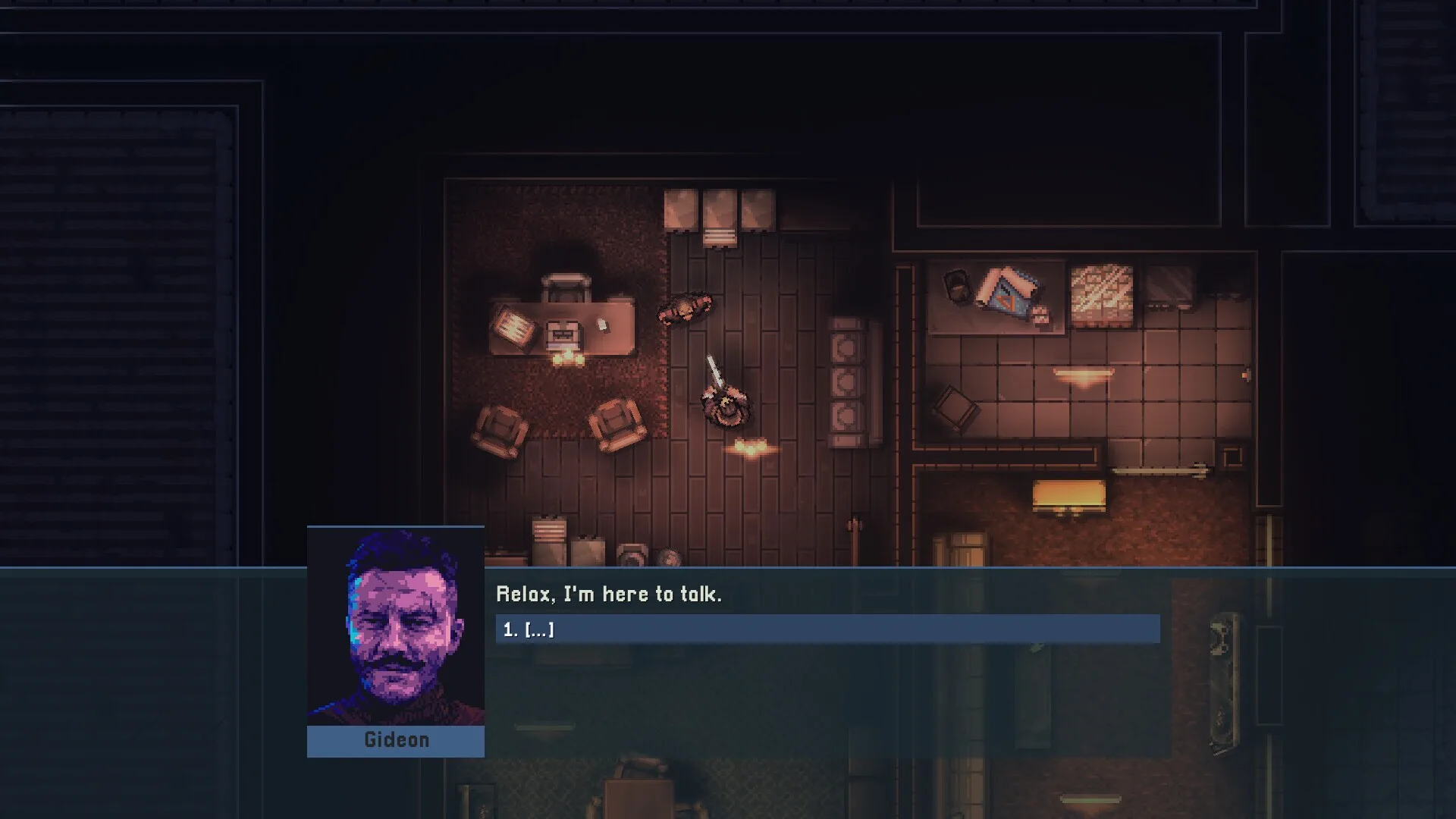
Master stealth in Intravenous 2: Mercenarism. Understand enemy sight, sound, and alert mechanics to avoid detection and complete objectives unseen.
In the shadows of Intravenous 2: Mercenarism, awareness is survival. Understanding how enemies detect you is crucial for successful stealth operations. Detection mechanics dictate enemy alertness, patrol patterns, and the likelihood of an alarm being raised. Mastering these systems allows you to navigate dangerous areas undetected and execute your objectives with precision.
Enemies in Intravenous 2: Mercenarism react to various stimuli, including sight, sound, and even environmental disturbances. Being aware of their cone of vision, noise radius, and reaction times will enable you to plan your movements, utilize cover effectively, and avoid triggering full-blown combat encounters. This section details how enemy detection works.
Here's how enemy detection mechanics function:
- Line of Sight: Enemies have a visual cone. If you enter this cone while they are alert, they will notice you. Obstacles like walls, crates, and smoke can break line of sight.
- Sound: Footsteps, weapon fire, environmental interactions (like knocking over objects), and even loud breathing can alert nearby enemies. The louder the sound, the further its radius of detection.
- Alert Levels: Enemies have distinct alert states:
- Unaware: Patrolling normally, not actively searching.
- Suspicious: Investigating a sound or visual anomaly. They will move towards the source and look around.
- Alerted: They have confirmed your presence and will actively search for you, often raising an alarm.
- Combat: Engaged in direct firefight.
- Environmental Clues: Knocking over objects, breaking lights, or leaving behind evidence can also contribute to enemy suspicion.
- Enemy Vision Indicators: Often, an icon or color change above an enemy's head will indicate their current awareness level. Yellow typically means suspicious, red means alerted.
Factors Influencing Detection:
| Factor | Impact on Detection | Mitigation Strategies |
|---|---|---|
| Light Levels | Darkness reduces visibility, making you harder to spot. | Utilize shadows, disable lights. |
| Movement Speed | Running or fast movement creates more noise and is more noticeable. | Crouch or walk slowly, use cover. |
| Clothing/Gear | Some gear may be noisier or more visually distinct. | Choose quieter gear, avoid reflective surfaces. |
| Enemy Position | Enemies facing away are less likely to detect you. | Flank enemies, use distractions. |
Tips for Avoiding Detection:
- Observe Patrols: Study enemy movement patterns before making a move.
- Use Cover: Always stay behind cover when moving through open areas.
- Distract Enemies: Throw objects or use silenced weapons to lure enemies away from their posts.
- Listen Carefully: Pay attention to enemy dialogue and environmental sounds.
- Know Your Limits: Don't attempt to sneak past heavily guarded areas without a clear plan.
100% Human-Written. AI Fact-Checked. Community Verified. Learn how AntMag verifies content