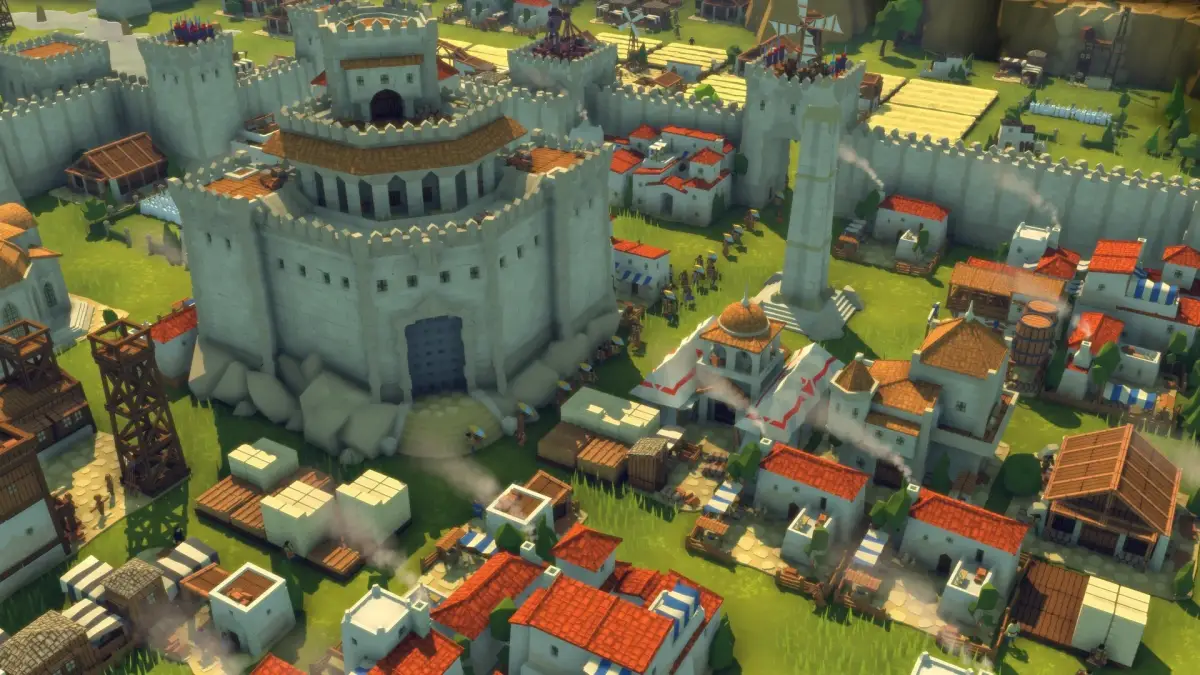
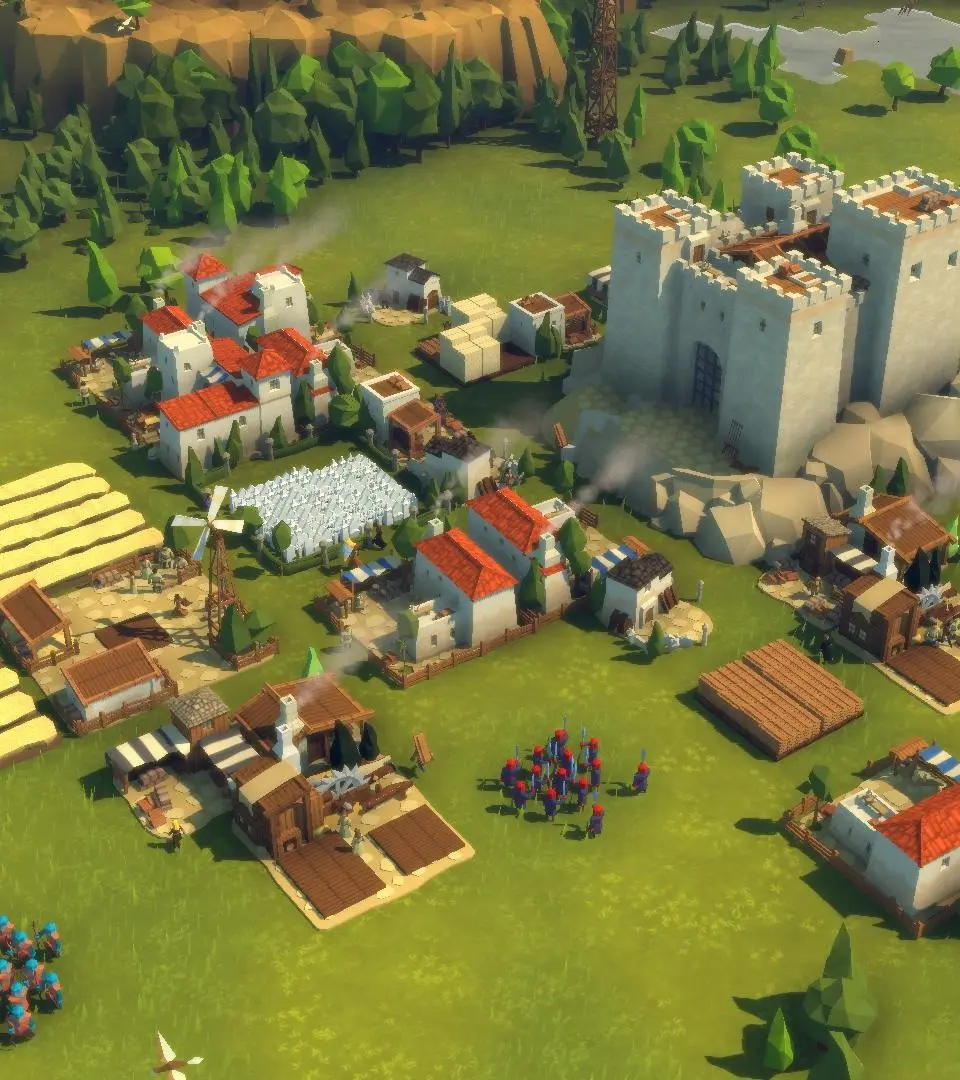
Understand the diverse Game Modes in Diplomacy is Not an Option. Learn strategic nuances and master unique challenges presented in each mode.
Diplomacy is Not an Option offers several game modes, each presenting unique challenges and opportunities for strategic mastery. Understanding the nuances of these modes is crucial for any aspiring Lord Protector. This section details the primary game modes, offering actionable strategies and insights to help you conquer the relentless hordes.
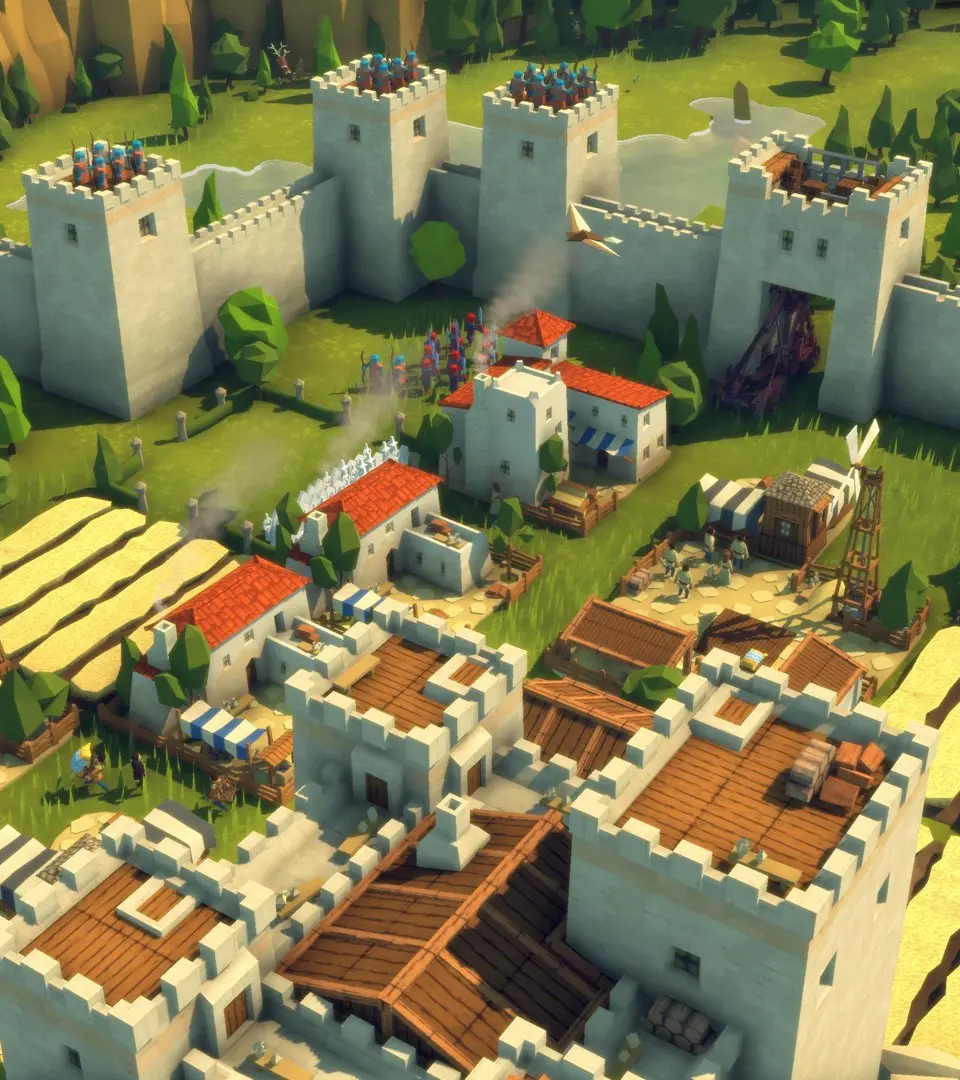
Campaign: The Resistance
The Campaign mode, specifically "The Resistance," serves as the narrative backbone of Diplomacy is Not an Option. It introduces players to the core mechanics, building progression, and enemy types through a series of increasingly difficult missions. While the reference material focuses on an "Easiest Difficulty Walkthrough," the principles outlined here apply across all difficulty settings, scaled by the intensity of enemy waves and resource scarcity.
Mission Structure and Progression
- Tutorial Missions: The initial missions are designed to familiarize you with basic resource gathering (Wood, Stone, Gold), construction (Walls, Watchtowers, Barracks), and unit management (Archers, Swordsmen). Pay close attention to the on-screen prompts and objectives.
- Objective-Based Gameplay: Each mission has specific objectives, ranging from defending a central keep for a set duration, eliminating all enemy spawners, or securing particular resource nodes. Always prioritize the main objective, but be prepared to adapt to dynamic threats.
- Unlocking Technologies: As you progress through the campaign, new buildings, units, and upgrades will become available. These unlocks are often tied to completing specific missions or reaching certain population milestones. Review the technology tree regularly to plan your advancements.
- Resource Management: Campaign missions often start with limited resources. Efficiently gathering Wood from forests, Stone from quarries, and Gold from mines or trade routes (when available) is paramount. Don't over-expand too quickly; a strong, defensible core is better than a sprawling, vulnerable settlement.
Key Campaign Strategies (Easiest Difficulty Focus)
Even on "Easiest Difficulty," complacency can lead to defeat. Here are some foundational strategies:
- Early Defense: Immediately establish a basic perimeter. Two layers of Wooden Walls backed by a few Watchtowers staffed with Archers can repel early, smaller waves. Position your towers to cover choke points.
- Resource Prioritization: In the early game, Wood is king for basic structures and initial defenses. Once a stable wood income is established, focus on Stone for stronger walls and advanced buildings, then Gold for unit recruitment and upgrades.
- Unit Composition: A balanced army is crucial. Archers are excellent for ranged damage from behind walls, while Swordsmen (or later, more advanced melee units) are essential for holding chokepoints and engaging enemies directly. Don't neglect support units if they become available.
- Scouting: Send a lone unit or two (even a single Archer) to scout the map perimeter. Identifying enemy spawn points and potential expansion areas early allows you to plan your defenses and resource acquisition routes more effectively.
- Repair and Rebuild: Walls and buildings will take damage. Always have spare resources and workers available for immediate repairs. A damaged wall is a breached wall waiting to happen. Consider building a Repair Station if available.
- Population Management: Ensure you have enough Houses to support your workforce and military. A lack of available workers will cripple your resource production and construction efforts.
Survival Mode
Survival Mode is the ultimate test of endurance. Players are tasked with defending their keep against endless waves of increasingly powerful enemies. There is no narrative objective beyond lasting as long as possible. This mode is excellent for refining defensive strategies and experimenting with different build orders.
Survival Mode Specifics
- Endless Waves: The primary characteristic is the continuous assault. Waves grow in size, enemy variety, and strength over time.
- Score-Based: Your success is measured by how many days you survive. High scores are a badge of honor among players.
- Resource Scarcity (Variable): Depending on the chosen map and difficulty, initial resources can be generous or extremely limited. Efficient expansion and resource acquisition are critical.
- Focus on Economy and Defense: Unlike campaign missions which might have specific offensive objectives, Survival Mode is purely about building an impenetrable defense and a self-sustaining economy to fuel it.
Survival Mode Strategies
- Layered Defenses: Build multiple layers of walls, each protected by towers and units. This provides redundancy and slows down enemy breaches.
- Chokepoint Fortification: Identify natural chokepoints on the map and heavily fortify them. These are ideal locations for concentrated defenses.
- Advanced Unit Production: As soon as your economy allows, transition to producing more advanced units and researching powerful upgrades. Elite units can significantly increase your defensive capabilities.
- Resource Diversification: Don't rely on a single resource type. Ensure a steady income of Wood, Stone, and Gold. Consider building multiple resource production buildings to avoid bottlenecks.
- Map Control: While defensive, don't be afraid to push out and secure additional resource nodes or clear enemy spawners if the wave intensity allows. This can provide a crucial economic advantage.
Custom Scenarios/Maps
While not explicitly detailed in the provided references, many strategy games like Diplomacy is Not an Option feature custom scenario or map editors. These modes allow players to create and share their own challenges, often with unique rules, starting conditions, and objectives.
Benefits of Custom Scenarios
- Varied Challenges: Experience gameplay beyond the official campaign and survival modes.
- Community Content: Access a wealth of player-created maps, offering fresh perspectives and creative challenges.
- Experimentation: Test out unconventional strategies or unit compositions in a controlled environment.
Regardless of the mode you choose, remember that adaptability, efficient resource management, and a robust defensive strategy are the cornerstones of success in Diplomacy is Not an Option. Good luck, Lord Protector!
100% Human-Written. AI Fact-Checked. Community Verified. Learn how AntMag verifies content