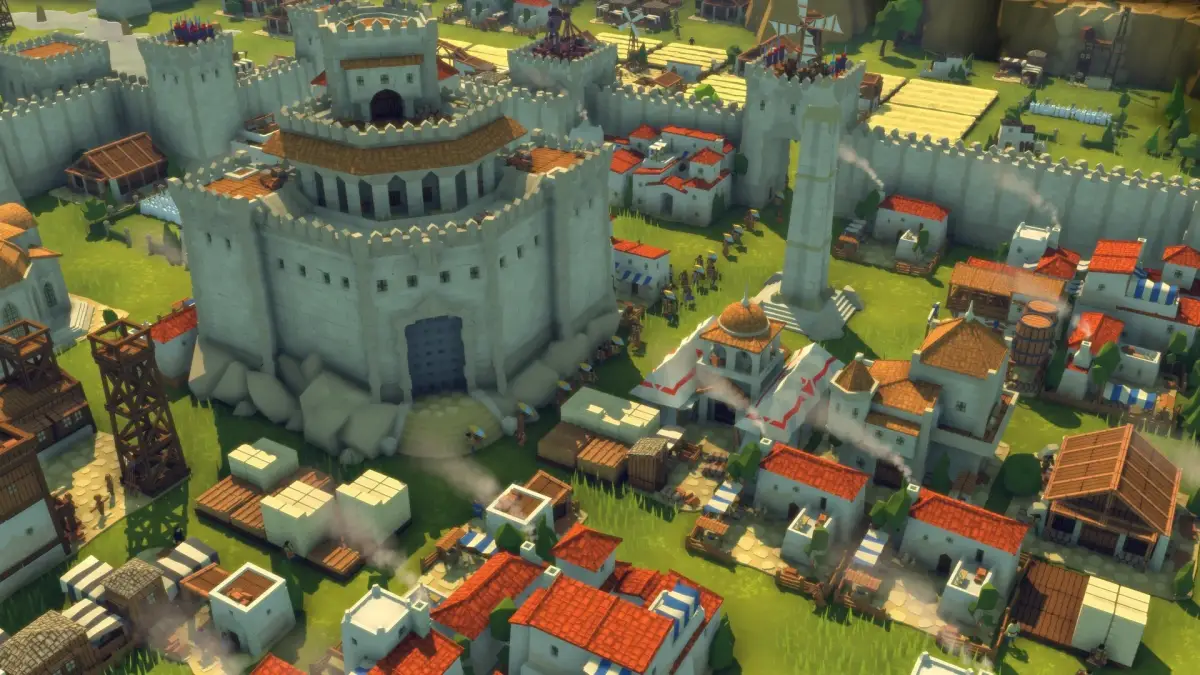
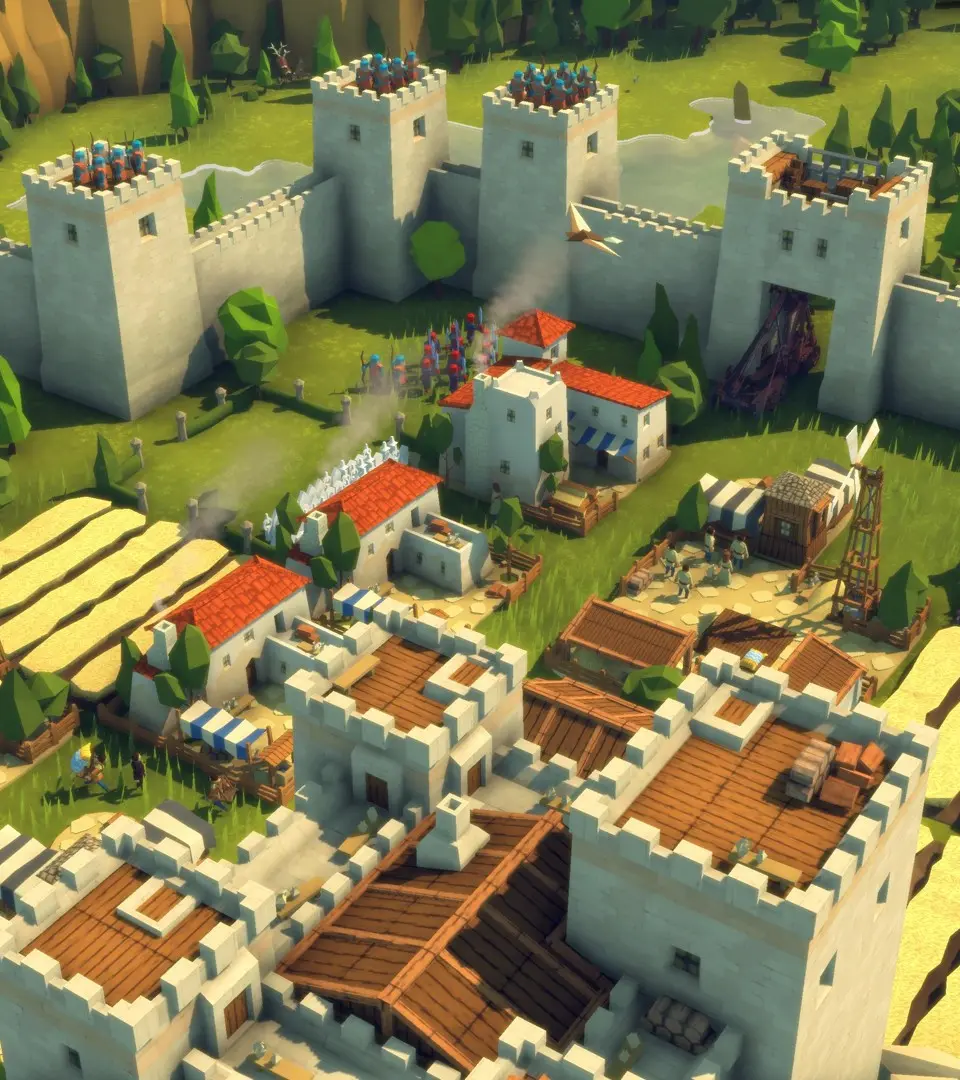
Select the right challenge by understanding Difficulty Settings in Diplomacy is Not an Option. Strategies are tailored for RTS veterans and newcomers.
Choosing the right difficulty setting in Diplomacy is Not an Option is crucial for a satisfying experience, whether you're a seasoned RTS veteran or a newcomer to the genre. This section will guide you through the various options and offer strategies tailored to each, ensuring you’re prepared for the challenges ahead.
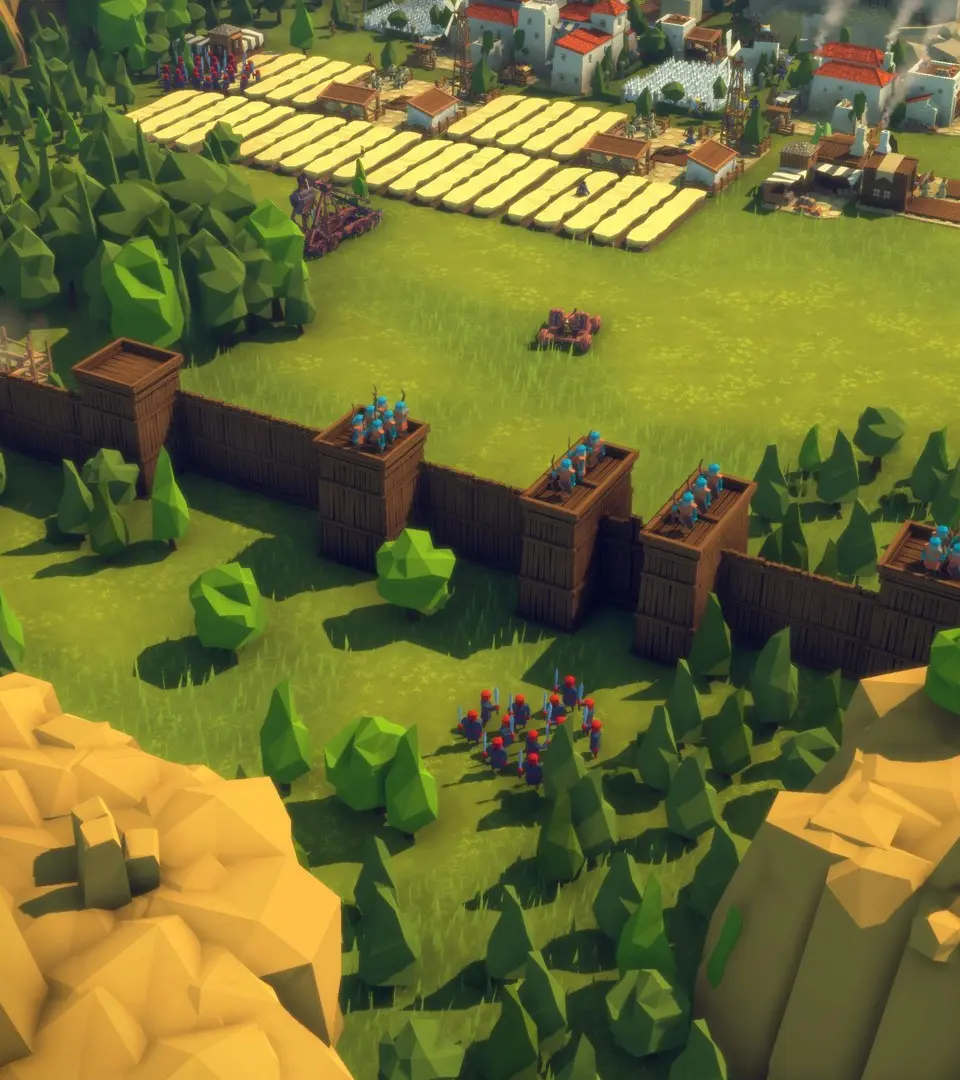
Understanding the Core Difficulty Modifiers
While the game doesn't present a simple "Easy, Normal, Hard" selection, difficulty is primarily influenced by two key factors:
- Enemy Aggression & Numbers: Higher difficulty settings mean more frequent and larger waves of enemies. They will also prioritize attacking your key structures more aggressively.
- Resource Scarcity: On harder settings, resource nodes (Stone, Wood, Iron, Gold) will yield less per collection, and their respawn rates might be slower. This forces more efficient resource management and expansion.
- Player Unit & Structure Health/Damage: While not explicitly stated as a direct modifier, the effective difficulty scales with how resilient your defenses and units are compared to the incoming threats. On harder settings, your mistakes are punished more severely.
Campaign Resistance: Easiest Difficulty Walkthrough (PC) - GeneralAtrox's Approach
For players looking to experience the narrative and learn the game's mechanics without overwhelming pressure, GeneralAtrox's "Campaign Resistance Easiest Difficulty Walkthrough" (PC) provides an excellent foundation. This approach focuses on:
Early Game Strategy: Establishing a Secure Foothold
On easier settings, your initial focus should be on rapid, but secure, expansion. Don't overextend too quickly, but also don't be afraid to claim nearby resource nodes.
- Prioritize Basic Resource Collection: Immediately construct multiple Woodcutters' Huts and Stone Quarries. Aim for at least 3-4 of each within the first few minutes, depending on the map's starting resources.
- Initial Defenses: Place a few Wooden Walls to funnel early enemy waves. Don't invest heavily in advanced defenses yet. A single Watchtower near your main entrance can suffice for the very first waves.
- Food Production: Build Farms early to ensure a steady supply of food for your growing population and military. A lack of food will cripple your ability to recruit and sustain units.
- Worker Management: Continuously train Workers from your Town Center. More workers mean faster resource collection and construction.
Mid-Game Strategy: Expanding and Fortifying
As you progress, the enemy waves will grow, even on easier settings. Your goal is to expand your economy and upgrade your defenses.
- Upgrade Resource Buildings: Research and upgrade your Woodcutters' Huts and Stone Quarries to their advanced versions for increased output.
- Iron and Gold Acquisition: Locate and secure Iron Mines and Gold Mines. These are crucial for advanced units and structures. Build Mining Guilds nearby to boost their efficiency.
- Layered Defenses: Start building Stone Walls and more Watchtowers. Consider placing Ballista Towers at key choke points for area-of-effect damage against larger groups.
- Barracks and Unit Production: Construct a Barracks and begin training basic military units like Spearmen or Archers to supplement your defenses. On easier difficulties, a balanced force is often more effective than specializing too early.
Late Game Strategy: Securing Victory
Even on easier settings, the final waves can be challenging. Ensure your economy is robust and your defenses are impenetrable.
- Advanced Defenses: Upgrade Watchtowers to Guard Towers or Cannon Towers. Research and deploy defensive structures like Catapult Towers or Mortar Towers for long-range bombardment.
- Elite Units: Research and train elite units from advanced military buildings. These units will be essential for holding the line against the largest enemy assaults.
- Economic Surplus: Maintain a healthy surplus of all resources. This allows for rapid repairs, unit replacement, and further expansion if needed.
- Map Control: Slowly push out and secure more of the map, denying enemy spawn points and claiming additional resource nodes. This reduces the pressure on your main base.
Adjusting for Higher Difficulties
When venturing into more challenging settings, the principles remain, but the execution must be far more precise and efficient:
- Hyper-Efficiency: Every worker, every resource, and every build order decision matters. Minimize idle workers and optimize resource gathering routes.
- Early Aggression (Cautious): On some maps, a very early, small offensive push to secure a critical resource node might be beneficial, but this carries significant risk.
- Specialized Defenses: Understand enemy wave compositions and tailor your defenses accordingly. Are they heavily armored? Use piercing damage. Are there many small units? Area-of-effect is key.
- Scouting is Paramount: Invest in early scouting to identify enemy spawn points, resource locations, and potential choke points. This allows for proactive defense planning.
- Diplomacy and Espionage (If Applicable): While Diplomacy is Not an Option focuses on direct combat, other strategy games like Master of Orion: Conquer the Stars highlight the importance of diplomacy and espionage. If future updates introduce such mechanics, mastering them will be crucial on higher difficulties to gain an edge or mitigate threats from other factions.
Remember, practice makes perfect. Don't be afraid to experiment with different build orders and strategies on various maps to find what works best for your playstyle and the chosen difficulty.
100% Human-Written. AI Fact-Checked. Community Verified. Learn how AntMag verifies content