Welcome to Miscreated, a brutal open-world survival game where you'll need to master savage landscapes, outsmart mutated horrors, and establish dominance. Whether you're playing solo or with friends, survival hinges on your ability to manage resources, engage in intense first-person combat, and build a secure base.
This guide dives deep into the core mechanics, offering strategies for initial survival, combat encounters, vehicle usage, and effective base building. We'll help you navigate the treacherous world, from managing your inventory to understanding enemy behaviors, ensuring you're well-equipped to face the challenges of this post-apocalyptic PC adventure.
Overview
Discover Miscreated, an online open-world sandbox survival game set in a post-apocalyptic world. Learn about its features, gameplay mechanics, and survival challenges.
Overview
Discover Miscreated, an online open-world sandbox survival game set in a post-apocalyptic world. Learn about its features, gameplay mechanics, and survival challenges.

Vehicle Acquisition and Maintenance
Detailed guide on finding, repairing, and maintaining vehicles in Miscreated, including required parts and repair methods.
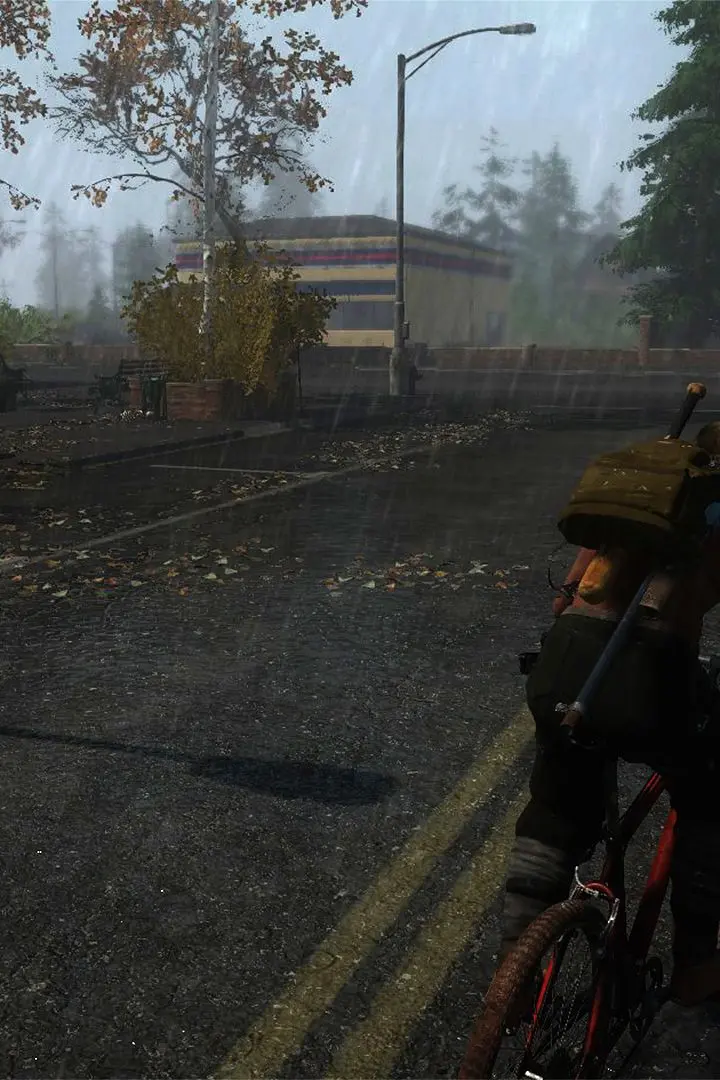
Vehicles are invaluable for traversing Miscreated's large map and transporting loot. To get a vehicle running, you'll need to find one and then gather specific parts. Common vehicle types include 'Sedans', 'Trucks', 'SUVs', and 'ATVs'.
Required Parts:
- Spark Plugs: Found in garages, sheds, and vehicle trunks.
- Car Battery: Found in garages, industrial areas, and sometimes in other vehicles.
- Tires: Each vehicle needs 4 tires. Found in garages, sheds, and sometimes on the ground near vehicles.
- Fuel (Gasoline): Found in gas stations, industrial areas, or by siphoning from other vehicles with a 'Jerry Can'.
To install parts, approach the vehicle with the part in your inventory and use a 'Wrench' to open the vehicle's inventory. Drag the parts into their respective slots. Once all parts are installed and there's fuel, you can start the engine. Vehicles take damage from collisions, gunshots, and explosions. Use a 'Wrench' and 'Metal Scraps' or 'Repair Kits' to repair them. Always keep your vehicle fueled and consider hiding it in a secure location or your base when not in use, as they are highly sought after by other players.
Server Types and Rules
Choose your ideal Miscreated survival experience by understanding server types and their distinct rulesets.
Navigating the various server types in Miscreated is crucial for a tailored survival experience. Each server offers a distinct ruleset and gameplay style, impacting everything from resource availability to player interaction. Understanding these differences will help you choose the environment best suited to your playstyle, whether you're a lone wolf, a dedicated builder, or a PvP enthusiast.
Official Servers
Official servers are maintained directly by the Miscreated development team. They generally adhere to a standard ruleset designed to provide a balanced and consistent experience for all players. These servers are often the most populated and offer a good baseline for understanding the core game mechanics.
- Standard PvP: Expect open-world player-versus-player combat. Trust no one, and be prepared to defend your loot and base at all times. This is the most common official server type.
- Base Decay: Bases on official servers typically have a decay timer. If you don't interact with your base (e.g., repairing or adding items) within a certain period (often 7-14 days), it will begin to degrade and eventually despawn. This prevents server clutter from abandoned structures.
- Resource Spawns: Resource spawns (e.g., metal scraps, wood logs, food items like Canned Beans or MREs) are typically at their default rates. Competition for high-tier loot in locations like Pinecrest or Sultan is fierce.
- Vehicle Spawns: Vehicles like the "UAZ" or "Sedan" spawn randomly across the map. They are highly sought after and often contested. Expect to find them in areas like garages in Woodhaven or near major road intersections.
Community Servers
Community servers are hosted by individual players or groups and offer a much wider range of customization. These servers can vary wildly in their rules, modifications, and overall atmosphere. Always check the server's description and any associated Discord channels for specific rules before investing time into a community server.
Common Community Server Rule Variations:
- PvE (Player vs. Environment): These servers focus solely on surviving against the environment and AI threats (mutants, animals). PvP is strictly prohibited, and breaking this rule often results in a ban. This is ideal for players who prefer building, exploring, and cooperative gameplay without the constant threat of other players.
- Actionable Step: Look for server names explicitly stating "PvE" or "No PvP." Confirm the rules by checking the server's message of the day or joining their Discord.
- Strategy: Focus on gathering resources like "Scrap Metal" and "Wood Planks" for base building without fear of being raided. Explore dangerous areas like the "Sewer System" or "Underground Bunker" for rare loot with less risk.
- Roleplay (RP): RP servers emphasize character development and immersive storytelling. Players are expected to stay in character and follow specific roleplay guidelines. PvP may be allowed but is often restricted to specific scenarios or events.
- Actionable Step: Read the server's lore and character creation guidelines carefully. Engage with other players in character.
- Strategy: Consider a non-combat role, such as a trader operating out of a fortified "Shack" in a safe zone, or a medic specializing in "Bandages" and "Painkillers."
- Increased Loot/Resource Spawns: Many community servers boost loot and resource rates, making progression faster. This is popular for players who want to quickly build up a base and gear.
- Actionable Step: Look for server descriptions mentioning "x2 Loot," "Fast Progression," or similar.
- Strategy: Prioritize building a secure base quickly using readily available materials. Stockpile essential items like "Assault Rifles" and "High-Capacity Magazines" from common military loot spots.
- No Base Decay: Some servers disable base decay entirely, allowing players to build permanent structures without the need for constant maintenance.
- Actionable Step: Confirm "No Decay" in the server description.
- Strategy: Invest heavily in large, elaborate base designs using materials like "Concrete Blocks" and "Metal Walls," knowing they won't despawn.
- Custom Events/Mods: Many community servers run unique events (e.g., "Arena Fights," "Mutant Hordes") or incorporate custom modifications (e.g., new weapons, vehicles, or building parts).
- Actionable Step: Check the server's Discord for event schedules and mod lists.
- Strategy: Participate in custom events for unique rewards or to test out new gameplay mechanics. Adapt your loadout based on any custom items available.
Private Servers
Private servers are typically password-protected and are often used by small groups of friends or communities for a highly controlled and personalized experience. Rules are entirely at the discretion of the server owner.
- Access: Requires an invitation or password from the server owner.
- Customization: Can have any combination of the rules and modifications found on community servers, often with even more specific guidelines tailored to the group's preferences.
- Strategy: Communicate directly with the server owner or group members to understand all specific rules and expectations. This is often the best environment for collaborative building projects or specific roleplay scenarios.
Before joining any server, especially community or private ones, always take a moment to review its specific rules. This can save you from frustration, accidental rule-breaking, and potential bans. Happy surviving, wanderer!
Gear Specializations: Combat vs. Utility — Miscreated Guide
Build your Miscreated survivor by choosing between combat or utility gear specializations. Prioritize your loot and prepare for any survival situation.
Since there are no inherent character stats, your 'build' in Miscreated is defined by your gear. You'll often find yourself specializing in either combat effectiveness or utility, though a balanced approach is usually best for general survival. Understanding these specializations helps you prioritize loot and prepare for different situations.
Combat-Oriented Gear:
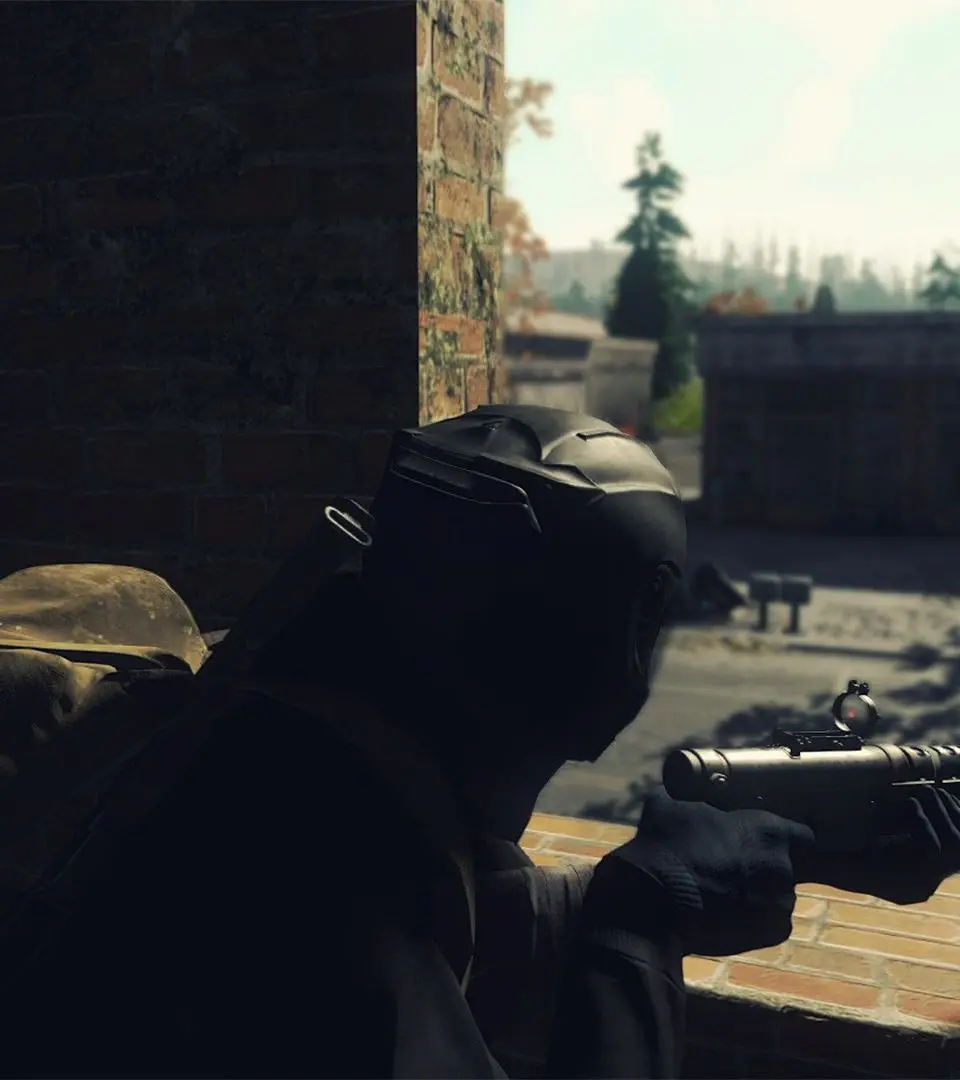
- Weapons: High-tier firearms (e.g., 'M4A1', 'AKM', 'M249'), plenty of ammunition, scopes, and attachments.
- Armor: 'Military Vest', 'Helmet', 'Plate Carrier' for maximum damage reduction.
- Medical: 'Blood Bags', 'Trauma Kits', 'Painkillers' for quick recovery in firefights.
- Consumables: 'Grenades', 'Smoke Grenades' for tactical advantages.
This build is ideal for aggressive players, base raiding, and defending against other players. It requires significant investment in rare loot and ammunition. You'll sacrifice some inventory space for combat effectiveness.
Utility-Oriented Gear:
- Tools: 'Hatchet', 'Pickaxe', 'Hammer', 'Wrench', 'Screwdriver' for gathering and crafting.
- Backpack: Largest possible backpack (e.g., 'Hiking Backpack', 'Military Backpack') for maximum storage.
- Clothing: Focus on temperature regulation and camouflage (e.g., 'Camo Jacket', 'Winter Coat').
- Consumables: 'Water Purifiers', 'Fishing Rod', 'Seeds' for self-sufficiency.
This build is suited for base builders, scavengers, and those who prefer a more passive, self-sufficient playstyle. You'll have less combat prowess but greater capacity for resource gathering and long-term survival. A balanced approach often involves a medium-sized backpack, a reliable primary weapon, and a selection of essential tools.
Similar guides you might like





100% Human-Written. AI Fact-Checked. Community Verified. Learn how AntMag verifies content