Pilot armored vehicles effectively in Hell Let Loose Vietnam. Understand the key roles of commander, gunner, driver, and spotter for tank dominance.
Operating a tank in Hell Let Loose: Vietnam is a complex and rewarding endeavor, demanding precise coordination and understanding of each crew member's vital role. Unlike the solitary experience of infantry, tank crews function as a single, cohesive unit, where each position is critical to the vehicle's survival and effectiveness. A well-drilled tank crew can dominate the battlefield, providing crucial fire support, breaking enemy defenses, and acting as mobile strongpoints. Conversely, a disorganized or poorly managed crew is a vulnerable target, easily neutralized by determined infantry or enemy armor. Understanding these roles is the first step towards mastering armored warfare in the dense jungles and open fields of Vietnam.
The core tank crew typically consists of three primary roles: the Commander, the Gunner, and the Driver. Each role has distinct responsibilities that directly impact the tank's combat performance. The Commander is the eyes and ears of the tank, responsible for situational awareness, target acquisition, and directing the Driver and Gunner. The Gunner's sole focus is on accurate and timely engagement of enemy targets, utilizing the tank's main armament and secondary weapons. The Driver controls the tank's movement, positioning it strategically, navigating terrain, and ensuring the crew can react to threats and exploit opportunities. Beyond these core roles, some larger or more specialized vehicles might include additional crew members, such as a dedicated Loader or a Machine Gunner for specific weapon systems, further emphasizing the importance of teamwork and communication.
Commander
The Commander's role is paramount for overall tank effectiveness. They are responsible for scanning the battlefield, identifying threats and opportunities, and communicating this information to the Driver and Gunner. A good Commander will anticipate enemy movements, call out targets for the Gunner, and direct the Driver to optimal positions for cover, flanking maneuvers, or defensive stands. They also manage the tank's overall tactical deployment, deciding when to advance, when to hold ground, and when to withdraw. Effective communication is key; the Commander must clearly and concisely relay information, often under heavy fire. They might also have access to a commander's view, offering a wider field of vision than the Gunner or Driver, allowing for better battlefield assessment. Miscommunication or a lack of situational awareness from the Commander can lead to ambushes, missed targets, or the tank being put in a disadvantageous position.
Gunner
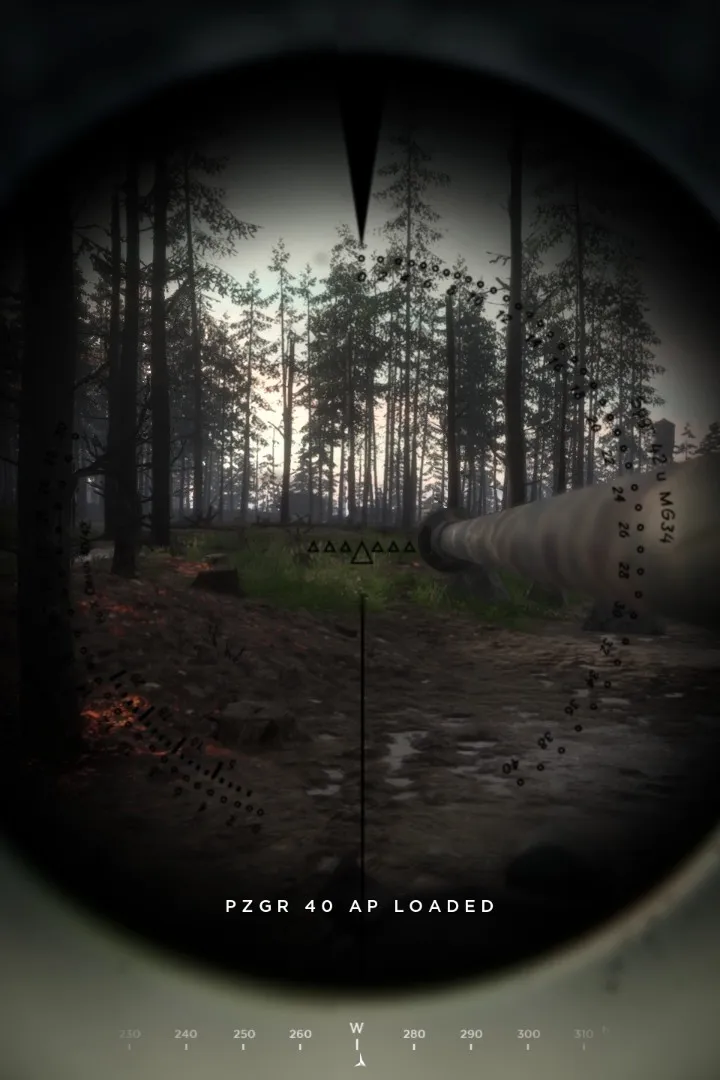
The Gunner is the primary offensive force of the tank. Their responsibility is to accurately aim and fire the tank's main armament and any coaxial or hull-mounted machine guns at designated targets. This requires a keen eye, steady aim, and an understanding of the ballistics of the tank's shells. The Gunner must be able to quickly acquire targets called out by the Commander and engage them efficiently, prioritizing threats based on the tactical situation. They also need to manage ammunition types, if applicable, and understand the optimal ranges and penetration capabilities of their chosen weaponry against different enemy vehicles and fortifications. A skilled Gunner can neutralize enemy armor, suppress infantry, and destroy key enemy structures, significantly impacting the flow of battle. Inexperienced Gunners may struggle with target acquisition, leading to wasted ammunition and missed opportunities, or they might fire too slowly, allowing enemies to reposition or retaliate.
Driver
The Driver is responsible for the tank's mobility and positioning. They must navigate the often treacherous terrain of Vietnam, from dense jungle paths to open rice paddies, while keeping the tank in a tactically advantageous position. This involves understanding the tank's acceleration, braking, and turning capabilities, as well as its limitations on different surfaces. The Driver must respond to the Commander's directions, maneuvering the tank to provide cover for infantry, flank enemy positions, or retreat to safety. They also need to be aware of their surroundings to avoid obstacles, traps, and ambushes. A good Driver can keep the tank moving effectively, ensuring it remains a mobile threat and a difficult target to hit. Poor driving can lead to the tank getting stuck, exposing its vulnerable sides or rear, or failing to keep up with the offensive push, rendering it ineffective.
100% Human-Written. AI Fact-Checked. Community Verified. Learn how AntMag verifies content