
Get ready for chaotic culinary fun with Overcooked! All You Can Eat, the ultimate cooperative cooking strategy game. This guide boasts 54 sections covering everything from getting started and cosmetic customization to detailed walkthroughs and environmental hazards. You'll find strategies for challenging boss fights, tips for mastering environmental hazards, and advice on character builds to conquer every kitchen.
Getting Started
New to Overcooked! All You Can Eat? This guide breaks down the basics, from controls to your first chaotic kitchen. Get ready to chop, cook, and serve your way to victory!
Getting Started
New to Overcooked! All You Can Eat? This guide breaks down the basics, from controls to your first chaotic kitchen. Get ready to chop, cook, and serve your way to victory!
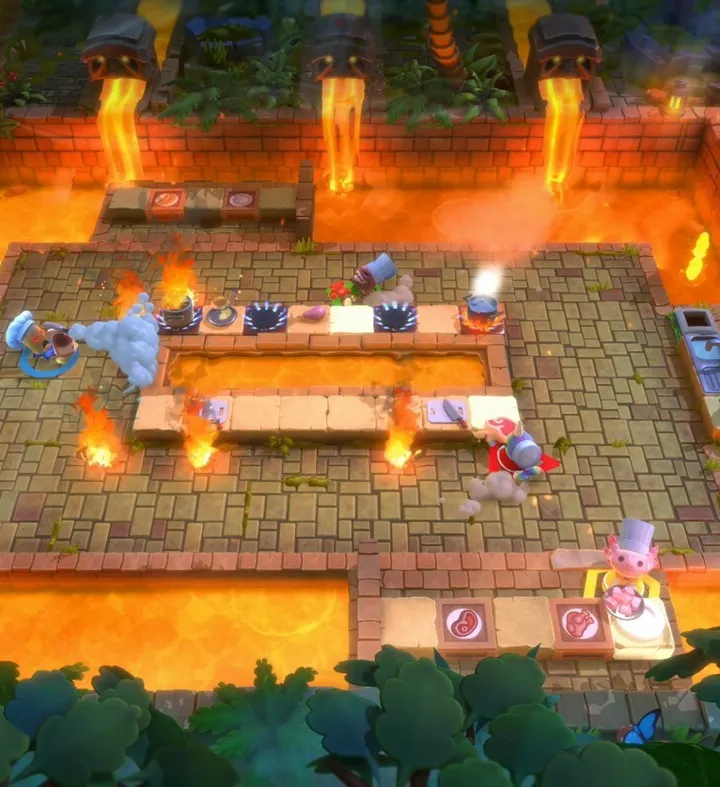
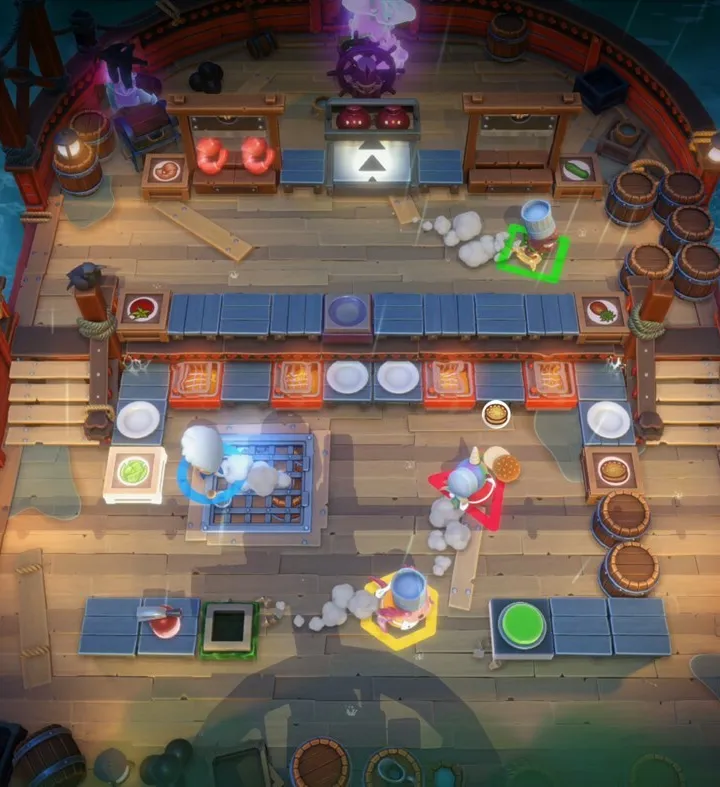


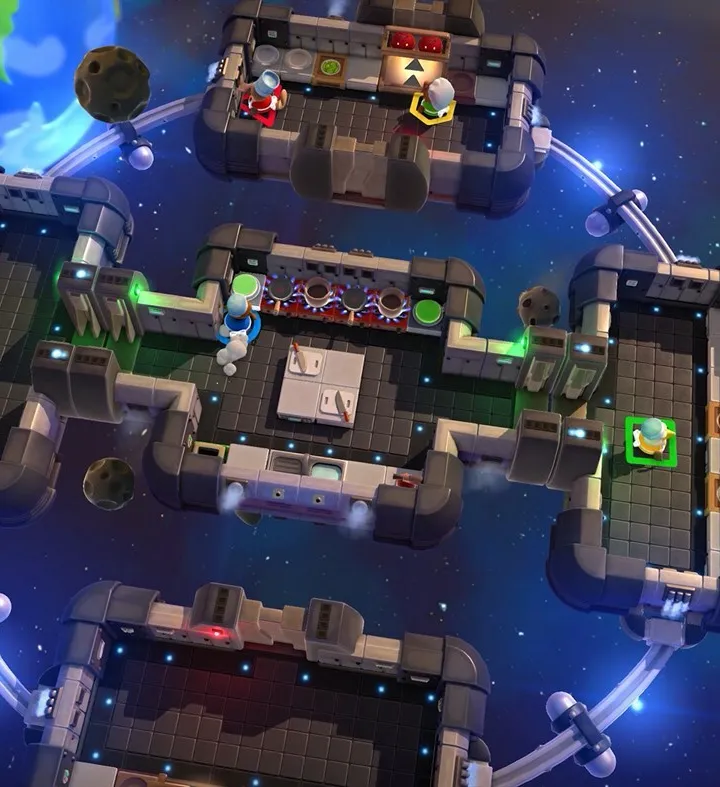
The Basics of Cooking — Overcooked! All You Can Eat Walkthrough
Learn the basics of cooking in Overcooked. All You Can Eat. Master the chop, cook, serve, and wash loop to earn stars and achieve high scores.
Welcome, aspiring chefs, to the chaotic yet incredibly rewarding world of Overcooked! All You Can Eat! This guide will lay the foundation for your culinary journey, transforming you from a kitchen novice into a master of gastronomic mayhem. Understanding these core principles is crucial for earning those coveted three (or even four!) stars on every level.
The Core Gameplay Loop: Chop, Cook, Serve, Wash
At its heart, Overcooked! revolves around a deceptively simple yet intensely challenging gameplay loop. Mastering each stage of this cycle is paramount to success:
- Chop Ingredients: Raw ingredients, often found on preparation counters or delivered via conveyor belts, must first be chopped or otherwise prepared. This is typically done at a chopping board. Different recipes require different preparations – some might need a single chop, others multiple.
- Cook Dishes: Once prepared, ingredients move to cooking stations. This could be a frying pan on a hob, a pot on a stove, an oven, or even a grill. Pay close attention to cooking times! Overcooked food will burn, becoming unusable and potentially setting your kitchen ablaze. Undercooked food will be rejected by customers.
- Serve Customers: Cooked dishes are placed on serving plates (which often need to be retrieved from a stack) and then delivered to the serving hatch or counter. Speed and accuracy are key here; customers have limited patience.
- Wash Plates: After a dish is served, the dirty plate must be washed before it can be used again. This is done at a sink. Neglecting dishwashing can lead to a shortage of clean plates, halting your entire operation.
This cycle repeats for every order, often simultaneously for multiple dishes, creating a frantic dance of culinary coordination.
Understanding Orders and the Star Rating System
Your ultimate goal in each Overcooked! level is to earn points by fulfilling customer orders. These points translate directly into a star rating at the end of the level, from one to a perfect three stars (with some levels even offering a bonus fourth star!).
How Points Are Earned:
- Successful Deliveries: Each correctly prepared and served dish earns you base points.
- Speed Bonus: The faster you serve an order, the more bonus points you receive. A timer above each order indicates customer patience; serve before it runs out for maximum points.
- Combo Bonus: Serving multiple orders in quick succession without any mistakes (like burning food or delivering the wrong dish) builds a combo multiplier. This is crucial for achieving high scores!
- Customer Patience: If an order's timer runs out, the customer will leave, and you'll receive zero points for that dish. Repeatedly failing to serve customers can significantly impact your score.
Achieving Star Ratings:
Each level has specific point thresholds for earning one, two, and three stars. These thresholds are displayed on the level select screen. To hit the higher star ratings, you'll need to:
- Maximize Efficiency: Minimize wasted movement, coordinate tasks with teammates, and keep all stations active.
- Prioritize Orders: Pay attention to which orders are about to expire and prioritize them.
- Maintain Combos: Aim for continuous serving to keep your combo multiplier high.
- Avoid Mistakes: Burnt food, dropped ingredients, or incorrect deliveries cost valuable time and points.

Essential Kitchen Mechanics and Tips
Movement and Interaction:
- Movement: Use the joystick/directional pad to move your chef around the kitchen.
- Pick Up/Put Down: The primary action button (e.g., 'A' on Xbox, 'X' on PlayStation, 'B' on Switch) is used to pick up ingredients, plates, and cooked dishes, as well as to put them down on counters or into cooking appliances.
- Chop/Cook: Standing next to a chopping board or cooking appliance with the correct item and pressing the action button will initiate the process. Hold the button down for continuous chopping or cooking where applicable.
- Throwing (Advanced Technique): In some levels, you can throw ingredients or even prepared dishes across gaps or to other chefs. This is a high-risk, high-reward maneuver that can save precious seconds but can also lead to dropped items if misjudged. Practice makes perfect!
Common Pitfalls to Avoid:
- Burning Food: Always keep an eye on cooking timers. A red exclamation mark above a cooking pot or pan indicates it's about to burn. Remove it immediately!
- Running Out of Plates: Neglecting the washing up station will quickly grind your kitchen to a halt. Designate a dish washer or integrate washing into everyone's routine.
- Blocked Pathways: Cluttering counters with unnecessary items or standing in critical pathways can severely impede efficiency, especially in co-op.
- Lack of Communication (Co-op): In multiplayer, clear and concise communication is your most powerful tool. Call out what you're doing, what you need, and what's ready.
By internalizing these fundamental concepts and practicing efficient execution, you'll be well on your way to conquering every kitchen Overcooked! All You Can Eat throws your way. Remember, every great chef started with the basics!
Beginner Tips for Aspiring Chefs
New to Overcooked! All You Can Eat? Get the best beginner tips to master chaotic kitchens, coordinate with your team, and earn those stars!
Hey there, future culinary superstar! So you've jumped into the wonderfully chaotic world of Overcooked! All You Can Eat and are ready to chop, fry, and serve your way to victory. It can feel a bit overwhelming at first, with all the shouting, the burning food, and the general pandemonium, but don't worry – I've got your back. Think of this as your friendly guide to not just surviving, but thriving in the Onion Kingdom.
The biggest thing to remember is that communication is absolutely key. You and your fellow chefs are a team, and the more you talk, the smoother things will run. Call out what you're doing – "Chopping onions!", "Frying burgers!", "Need plates!" – and listen to what your teammates need. It sounds simple, but it makes a world of difference when you're trying to juggle multiple orders under pressure. Don't be afraid to assign roles too, especially in the early levels. One person could focus on prepping ingredients, another on cooking, and someone else on plating and serving. As you get more comfortable, you can become more flexible, but having a starting plan really helps.
Pay close attention to the orders that pop up at the top of the screen. They'll show you exactly what the customers want and in what order. Prioritize the orders that are closest to expiring. That little timer is your best friend (and sometimes your worst enemy!). If an order is about to run out, drop what you're doing and focus on getting it out the door. Missing orders, especially early on, can quickly tank your score and make getting those coveted three stars a real challenge.
Don't neglect your chopping board and your frying pans! Ingredients need to be prepped before they can be cooked, and cooked items often need to be plated. It’s easy to get caught up in the rush and forget the basics, but a pile of unchopped onions or raw burgers won't win you any points. Also, keep an eye on your cooking times. Burgers and other fried items can burn if left on the heat for too long, turning a potential meal into a smoky disaster that you'll then have to clean up. A quick tap of the 'dash' button can help you move faster between stations, but use it wisely – bumping into your teammates can cause even more chaos!
Finally, don't get discouraged if you don't ace every level on your first try. Overcooked! is a game that rewards practice and learning. Each failed attempt is a chance to figure out what went wrong and how you can improve. Experiment with different strategies, learn the layouts of the kitchens, and most importantly, have fun with it! The more you play, the more intuitive it becomes, and soon you'll be a master chef coordinating like a well-oiled machine. Now go forth and cook!
Understanding Star Ratings
Learn how to achieve 3-star ratings on every level in Overcooked! All You Can Eat. This guide breaks down the scoring system and provides essential tips for culinary success.
Welcome to the ultimate guide for mastering Star Ratings in Overcooked! All You Can Eat. Achieving a perfect score on every level is crucial for unlocking new content and proving your culinary prowess. This guide will break down how the star system works and provide actionable tips to help you earn those coveted three stars.
Understanding the Scoring System
In Overcooked! All You Can Eat, your performance is measured by the number of orders you successfully complete within the time limit. Each level has a target score required to earn one, two, or three stars. The primary factors influencing your score are:
- Order Completion: The most direct way to earn points is by serving completed dishes.
- Time Bonus: Completing orders quickly contributes to your overall score. The faster you serve, the more bonus points you receive.
- Combo Bonuses: Serving multiple orders in quick succession without any mistakes can trigger combo bonuses, significantly boosting your score.
- Penalties: Dropped ingredients, burnt food, or failed orders will deduct points from your score.
Tips for Earning Three Stars
To consistently achieve three-star ratings, you'll need to optimize your kitchen workflow and master efficient teamwork. Here are some key strategies:
- Prioritize Orders: Always focus on the orders that are closest to expiring. Use the on-screen indicators to manage your queue effectively.
- Efficient Chopping and Cooking: Ensure ingredients are being chopped and cooked simultaneously to minimize downtime. Assign specific roles if playing with others.
- Streamline Movement: Plan your routes through the kitchen to avoid collisions and unnecessary backtracking. Identify the most efficient paths for ingredient gathering and dish delivery.
- Master Ingredient Combinations: Understand which ingredients need to be combined and in what order. Pre-preparing common combinations can save valuable seconds.
- Effective Communication (Multiplayer): If playing with friends, clear and concise communication is vital. Call out needed ingredients, completed dishes, and potential hazards.
- Practice and Patience: Some levels require specific strategies and a good deal of practice to master. Don't get discouraged if you don't get three stars on your first try. Analyze your mistakes and adjust your approach.
- Utilize the Environment: Some levels have unique mechanics or environmental hazards. Learn how to use these to your advantage or mitigate their impact.
By understanding the scoring mechanics and implementing these strategies, you'll be well on your way to conquering every level and earning those prestigious three-star ratings in Overcooked! All You Can Eat.
Similar guides you might like





100% Human-Written. AI Fact-Checked. Community Verified. Learn how AntMag verifies content