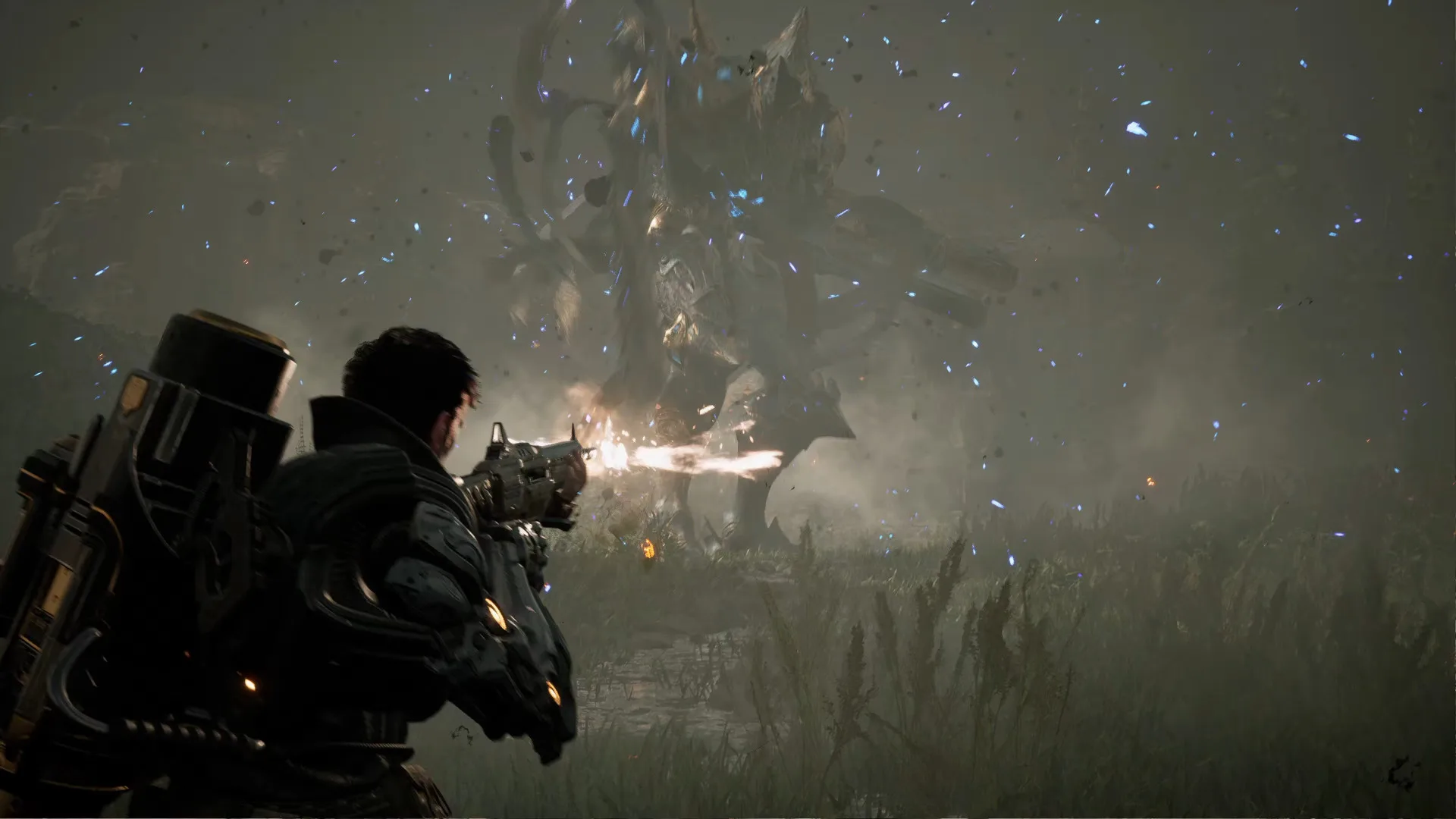
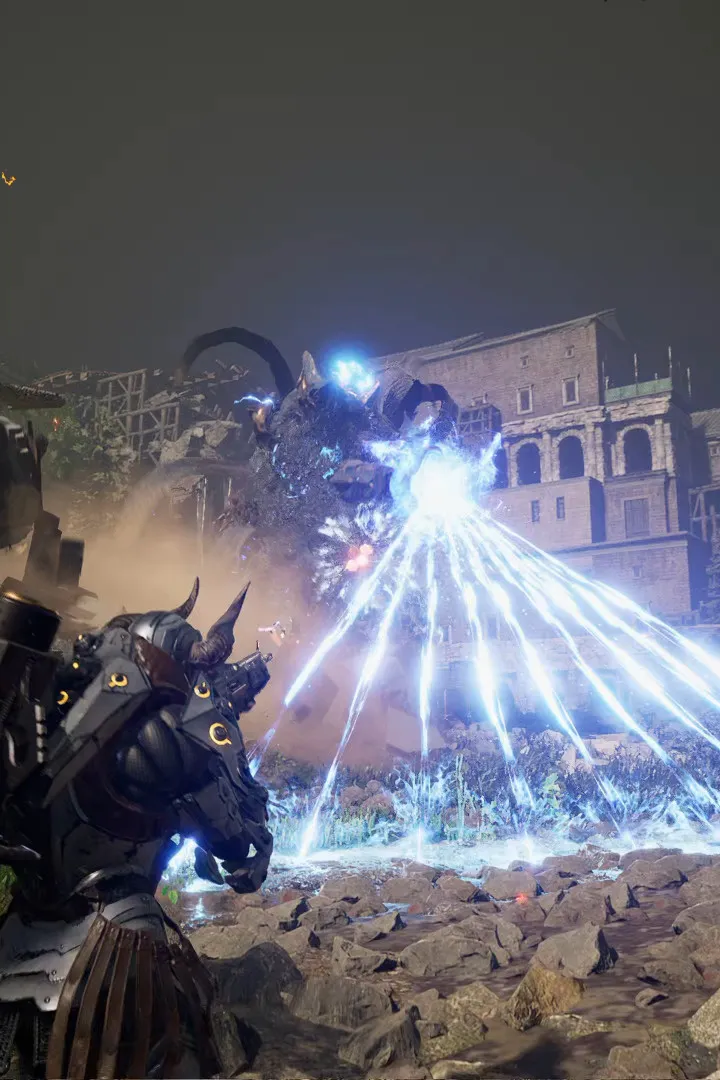
Learn how to beat enemy types in The First Descendant by understanding their unique attack patterns and weaknesses. Tailor your loadout for success.
Mastering the diverse array of enemies in The First Descendant is crucial for survival and progression. Each enemy type possesses unique attack patterns, resistances, and vulnerabilities. Understanding these nuances will allow you to tailor your loadout and combat strategies for maximum efficiency.
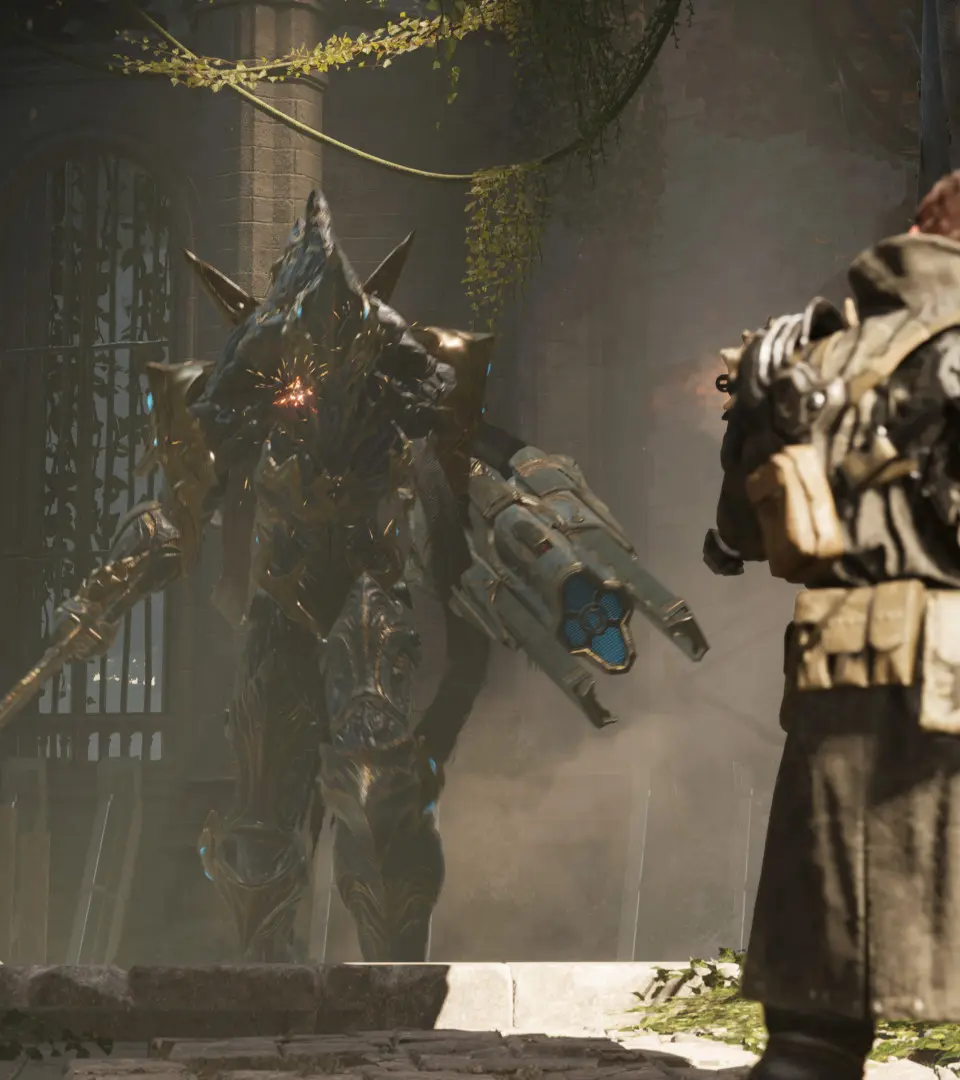
General Combat Principles
- Observe Attack Patterns: Before engaging, take a moment to observe an enemy's movement and attack animations. This will help you anticipate their actions and identify openings.
- Target Weak Points: Many enemies have glowing or exposed weak points. Aiming for these areas deals significantly increased damage and can stagger them, creating opportunities for critical hits.
- Utilize Elemental Weaknesses: Certain enemies are more susceptible to specific elemental damage types (e.g., Fire, Ice, Electric). Equipping weapons and skills that exploit these weaknesses can drastically shorten combat encounters.
- Manage Crowd Control: Against groups of enemies, prioritize crowd-controlling abilities to prevent being overwhelmed. Knockback effects, stuns, and area-of-effect (AoE) attacks are invaluable.
Common Enemy Archetypes and Strategies
1. Grunts (e.g., "Scavengers," "Drones")
- Description: These are your most common adversaries. They typically attack in small groups with basic melee or ranged attacks.
- Weaknesses: Generally weak to all damage types. Their low health makes them easy targets for rapid-fire weapons.
- Strategy: Use rapid-fire weapons like assault rifles or SMGs to quickly dispatch them. Prioritize targets that are closing in on your position.
- Recommended Gear: Weapons with high fire rate and accuracy. Skills that provide AoE damage can clear groups efficiently.
2. Elites (e.g., "Brutes," "Snipers")
- Description: More formidable than Grunts, Elites have higher health, deal more damage, and often possess special abilities. Brutes might have heavy armor and charge attacks, while Snipers will engage from a distance with powerful shots.
- Weaknesses: Often have a specific weak point, usually a glowing core or exposed head. Exploiting this is key. Some Elites may have elemental resistances.
- Strategy:
- Brutes: Dodge their charge attacks and strike their exposed back or head when they recover. Weapons with high impact damage can stagger them.
- Snipers: Use cover effectively and flank them. Quick-scoping with a sniper rifle or precise shots from a high-damage weapon are effective.
- Recommended Gear: Weapons with high single-shot damage (e.g., sniper rifles, shotguns for close-range Brutes). Skills that provide defensive buffs or mobility are useful for repositioning.
3. Heavies (e.g., "Artillery Units," "Siege Tanks")
- Description: These are large, slow-moving enemies with devastating ranged attacks and significant armor. They often require sustained fire to bring down.
- Weaknesses: Typically have exposed glowing components or weak spots on their rear or underside. They are often slow to turn, allowing for flanking.
- Strategy: Focus fire on their weak points. Use cover to avoid their artillery barrages. If possible, use skills that can disrupt their targeting or movement.
- Recommended Gear: Heavy-hitting weapons like rocket launchers or grenade launchers are effective. Weapons with sustained damage output are also good. Consider bringing elemental damage that the Heavy might be weak to, if known.
4. Specialized Units (e.g., "Healers," "Shield Bearers")
- Description: These enemies don't always deal direct damage but support other units. Healers will restore health to nearby allies, while Shield Bearers will project protective barriers.
- Weaknesses: Often have lower health than other enemy types but can be protected by other enemies.
- Strategy: Prioritize eliminating these units first. A quick burst of damage can neutralize their support capabilities before they become a major problem.
- Recommended Gear: Any weapon capable of quickly dispatching a low-health target. Skills that can pierce shields or disable enemy abilities are highly valuable.
5. Bosses and Mini-Bosses
- Description: Unique, powerful entities with complex attack patterns, multiple phases, and high health pools.
- Weaknesses: Bosses often have distinct weak points that change throughout the fight. Observing their tells and adapting your strategy is paramount. Elemental weaknesses are often pronounced.
- Strategy: This requires a deep understanding of the boss's mechanics. Learn their attack phases, identify safe zones, and exploit any openings. Coordinated attacks with teammates are often necessary.
- Recommended Gear: A well-rounded loadout is essential. Ensure you have weapons that can deal consistent damage, skills that provide utility (healing, buffs, debuffs), and potentially elemental damage types that the boss is vulnerable to. Consider bringing specific "Legendary" items or gear sets that offer bonuses against certain enemy types if available.
By actively studying and adapting to the enemy types you encounter, you'll find your combat effectiveness soar, allowing you to tackle even the most challenging encounters in The First Descendant.
100% Human-Written. AI Fact-Checked. Community Verified. Learn how AntMag verifies content